Jiangmen Rene Battery Technology Co., Ltd.

Understanding Lithium Deep Cycle Batteries: The Future of Automotive Power
2025-01-13
Lithium deep cycle batteries have become a popular choice in the automotive sector due to their remarkable efficiency and longevity. Unlike traditional lead-acid batteries, which generally provide short bursts of power and require frequent recharging, lithium batteries are designed to provide sustained energy over an extended period. This makes them particularly suitable for applications that dema
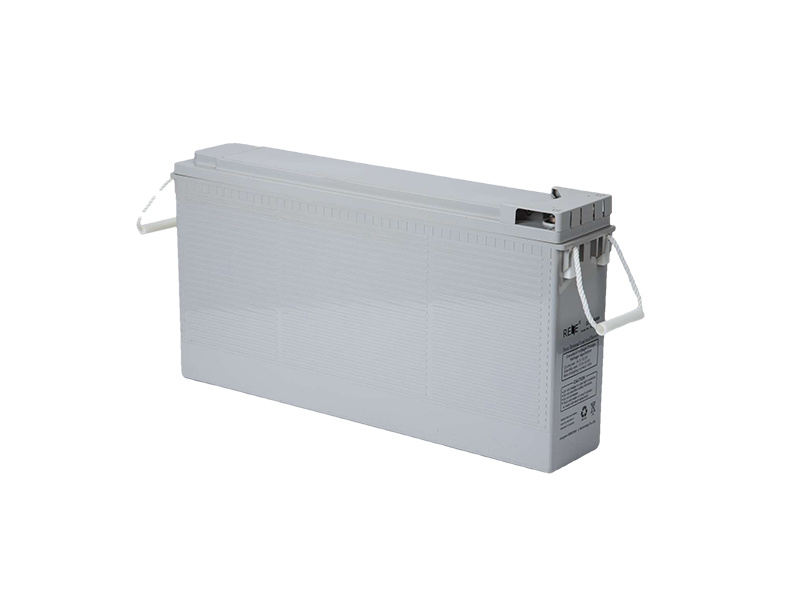
One of the standout features of lithium deep cycle batteries is their energy density. They can store more energy in a smaller and lighter package compared to their lead-acid counterparts. This is a significant advantage in the automotive environment, where weight reduction can lead to improved fuel efficiency and overall vehicle performance. Additionally, lithium batteries have a much lower self-discharge rate. This means they retain their charge for longer periods when not in use, making them an excellent choice for seasonal vehicles like boats and RVs.
Another key benefit is the lifespan of lithium deep cycle batteries. While lead-acid batteries typically last around 3 to 5 years, lithium batteries can endure over 10 years, depending on usage and maintenance. This longevity not only saves money in the long run but also reduces waste, making lithium batteries a more environmentally friendly option.
Charging efficiency is another area where lithium deep cycle batteries shine. They can be charged more quickly than traditional batteries, often reaching full charge in a fraction of the time. Additionally, they can withstand a greater number of charge and discharge cycles without a significant loss in capacity, making them ideal for applications where frequent recharging is necessary.
Safety is also a significant consideration. Advanced lithium battery technologies incorporate safety features such as thermal management and battery management systems (BMS) to prevent overheating and ensure optimal performance. This level of control enhances the overall safety of the battery, making it a reliable choice for automotive applications.
When considering lithium deep cycle batteries, it’s essential to evaluate the specific needs of your vehicle or application. Factors like energy requirements, weight limitations, and charging cycles will influence your choice. As technology continues to evolve, lithium batteries are poised to become even more prevalent in the automotive industry, driving innovation and sustainability.
In summary, lithium deep cycle batteries represent a significant advancement in automotive energy storage. With their high energy density, longevity, fast charging capabilities, and safety features, they are an excellent choice for anyone looking to invest in reliable and efficient power solutions for their vehicles. As the demand for electric and hybrid vehicles continues to grow, understanding the benefits and applications of lithium deep cycle batteries is more important than ever.
Key words:
Previous Page:


Sales Team
The company adheres to the working principles of integrity, standardization and efficiency, and wholeheartedly provides high-quality, efficient and fast services to our customers.


SALES:Jack Lee
Wechat: Jack13923713448
Facebook: Jack Lee


SALES:Jason Yu
Wechat: +86-13416655615

Rene battery, excellent performance, drive the future!
Contact Us
Address:Block 2, No.9, Yexing 1st Road, Huicheng, Xinhui District, Jiangmen City, Guangdong ,China

Subscribe to get offers and updates!
Social Media


