Jiangmen Rene Battery Technology Co., Ltd.

Understanding Sealed Lead Acid Battery Spots: Causes and Solutions
2025-01-17
Sealed lead acid (SLA) batteries are a popular choice for various applications, from powering electric vehicles to providing backup for alarm systems. However, one concern that battery users often encounter is the appearance of spots on the surface of their batteries. These spots can indicate various issues, and understanding their causes can help in maintaining battery health and performance. The
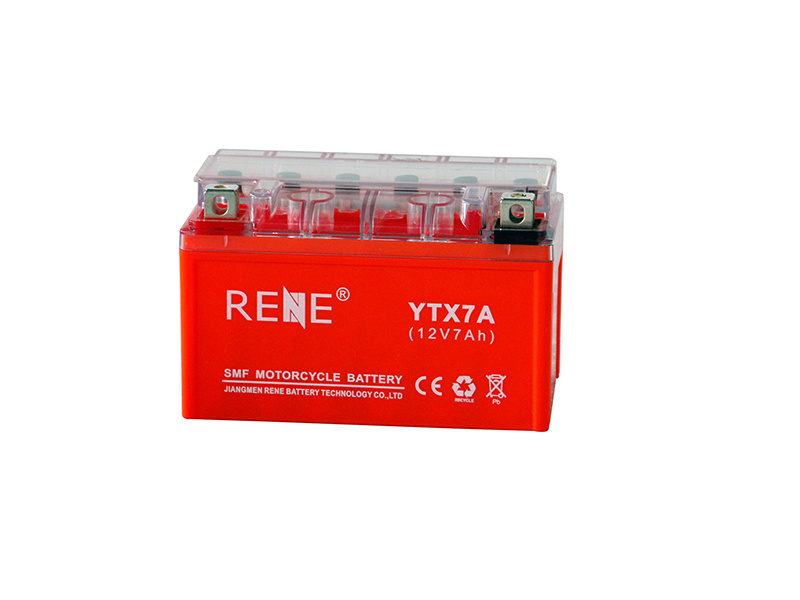
The spots that appear on sealed lead acid batteries may be the result of several factors. One common cause is electrolyte leakage. While SLA batteries are designed to be maintenance-free, factors such as overcharging or extreme temperatures can lead to the release of electrolyte, resulting in residue that appears as spots. This can not only compromise the battery's performance but also pose safety concerns if the leaked material is corrosive.
Another potential reason for the appearance of spots is sulfation. Over time, lead sulfate crystals can accumulate on the battery plates, particularly if the battery has been discharged and left in that state for a prolonged period. This process can lead to reduced capacity and efficiency, ultimately shortening the battery's lifespan. Regular maintenance, including periodic charging and discharging cycles, can help mitigate sulfation and maintain battery health.
Environmental conditions play a crucial role in the appearance of spots. High humidity or exposure to corrosive substances can accelerate corrosion on the battery's terminals and casing. It's essential to store batteries in a dry, temperature-controlled environment and to check for signs of corrosion regularly. Cleaning terminals with a mixture of baking soda and water can help prevent further corrosion and ensure optimal electrical connectivity.
To address the issue of spots effectively, users should first identify the underlying cause. If electrolyte leakage is suspected, the battery should be replaced immediately, as continued use can lead to further damage and safety hazards. For sulfation, users can consider using a smart charger designed to reverse the sulfation process, potentially restoring some capacity to the battery.
In conclusion, while sealed lead acid battery spots can indicate various issues, understanding the causes allows users to take proactive measures to maintain battery health. Regular inspections, appropriate charging practices, and proper storage conditions are essential steps in preventing the appearance of spots and ensuring the longevity of SLA batteries. By staying informed and attentive to the signs of wear, users can enhance the performance and reliability of their sealed lead acid batteries.
Key words:


Sales Team
The company adheres to the working principles of integrity, standardization and efficiency, and wholeheartedly provides high-quality, efficient and fast services to our customers.


SALES:Jack Lee
Wechat: Jack13923713448
Facebook: Jack Lee


SALES:Jason Yu
Wechat: +86-13416655615

Rene battery, excellent performance, drive the future!
Contact Us
Address:Block 2, No.9, Yexing 1st Road, Huicheng, Xinhui District, Jiangmen City, Guangdong ,China

Subscribe to get offers and updates!
Social Media


