Jiangmen Rene Battery Technology Co., Ltd.

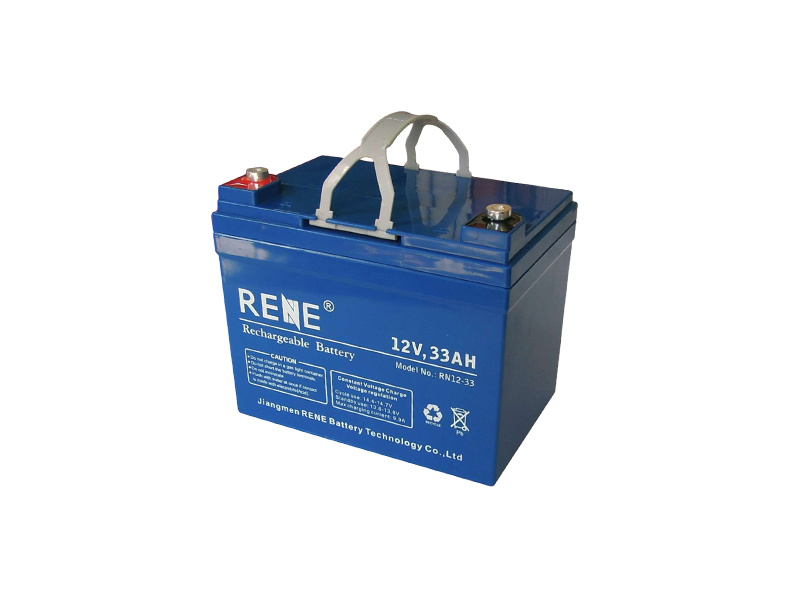
Unlocking the Power: Why Gel Electrolyte Batteries Are the Best Choice for Your Automotive Needs
2025-01-22
Unlocking the Power: Why Gel Electrolyte Batteries Are the Best Choice for Your Automotive Needs Table of Contents Introduction to Gel Electrolyte Batteries Understanding Gel Electrolyte Batteries Benefits of Gel Electrolyte Batteries Durability and Longevity Safety Features Low Maintenance Requirements Environmental Impact Applications of Gel Electrol
Unlocking the Power: Why Gel Electrolyte Batteries Are the Best Choice for Your Automotive Needs
Table of Contents
- Introduction to Gel Electrolyte Batteries
- Understanding Gel Electrolyte Batteries
- Benefits of Gel Electrolyte Batteries
- Applications of Gel Electrolyte Batteries
- Comparing Gel Batteries with Other Types
- Buying Guide for Gel Electrolyte Batteries
- Frequently Asked Questions
- Conclusion
Introduction to Gel Electrolyte Batteries
In the ever-evolving automotive industry, **battery technology** plays a crucial role in enhancing vehicle performance and reliability. Among various types of batteries, **gel electrolyte batteries** have gained significant attention for their unique properties and advantages. This article aims to dive deep into why gel electrolyte batteries are not just a choice but the best choice for automotive applications.
Understanding Gel Electrolyte Batteries
Gel electrolyte batteries are a type of **lead-acid battery** that uses a gel-like electrolyte instead of a liquid one. This innovation provides remarkable stability and performance. The gel is formed by mixing sulfuric acid with silica, creating a thickened substance that maintains the necessary chemical reactions for energy storage while mitigating the risks associated with traditional lead-acid batteries.
Benefits of Gel Electrolyte Batteries
Durability and Longevity
One of the most significant advantages of gel electrolyte batteries is their **durability**. These batteries are designed to withstand harsh conditions, including extreme temperatures and vibrations. Their robust construction minimizes damage from **overcharging** and **deep discharging**, leading to a longer lifespan. While traditional lead-acid batteries typically last around 3-5 years, gel batteries can last up to 12 years with proper care.
Safety Features
Safety is paramount when it comes to automotive batteries. Gel electrolyte batteries are inherently safer than their liquid counterparts. The gel form reduces the risks of spillage and leakage, making them less hazardous in case of accidents. Additionally, gel batteries are less prone to **gassing**, which significantly reduces the chances of explosions or fires that can occur with improperly ventilated lead-acid batteries.
Low Maintenance Requirements
For vehicle owners who prefer minimal hassle, gel electrolyte batteries offer **low maintenance** requirements. Unlike traditional batteries that require regular checks of fluid levels and may need topping up, gel batteries are sealed and maintenance-free. This feature not only saves time but also eliminates the worry of dealing with acid spills or corrosion.
Environmental Impact
As environmental concerns continue to rise, choosing eco-friendly battery options becomes essential. Gel electrolyte batteries are a greener alternative as they contain no free liquid electrolyte, reducing the risk of contamination. Additionally, they are fully recyclable, ensuring that they contribute less to landfill waste.
Applications of Gel Electrolyte Batteries
Gel electrolyte batteries are versatile and suitable for various applications beyond just automotive use. They are commonly used in:
- **Solar energy storage systems**: Their ability to handle deep cycles makes them ideal for renewable energy setups.
- **Electric vehicles**: Their lightweight and efficient energy storage capabilities enhance electric vehicle performance.
- **Marine applications**: The safety features and resistance to vibrations make them perfect for use in boats and yachts.
- **Off-grid power systems**: They provide reliable energy sources for cabins and remote locations.
Comparing Gel Batteries with Other Types
Gel vs. Lead-Acid Batteries
When comparing gel batteries to traditional lead-acid batteries, several factors come into play. Gel batteries offer:
- **Improved cycle life**: They can withstand more charge cycles without degrading.
- **Enhanced performance in extreme conditions**: Unlike lead-acid batteries, gel batteries perform better in both cold and hot climates.
- **Greater resistance to sulfation**: This common issue in lead-acid batteries is virtually eliminated in gel batteries.
Gel vs. AGM Batteries
Absorbed Glass Mat (AGM) batteries are another popular option in the market. While both gel and AGM batteries are sealed and maintenance-free, gel batteries have the edge in:
- **Depth of discharge**: Gel batteries can handle deeper discharges without damage, making them more reliable for applications requiring extensive power use.
- **Cost-effectiveness**: They generally have a lower upfront cost compared to AGM batteries, making them a more accessible option for budget-conscious consumers.
Buying Guide for Gel Electrolyte Batteries
When considering the purchase of a gel electrolyte battery, several factors should be taken into account:
- **Capacity**: Choose a battery with the right capacity for your vehicle's needs. Look for specifications that match your electrical demands.
- **Size**: Ensure that the battery fits comfortably in your vehicle’s battery compartment.
- **Brand reputation**: Opt for reputable brands known for quality and reliability to avoid potential issues.
- **Warranty**: A good warranty can provide peace of mind, indicating the manufacturer’s confidence in their product.
Frequently Asked Questions
1. How do I maintain a gel electrolyte battery?
Gel batteries are maintenance-free, but it’s advisable to keep them clean and check for any signs of damage periodically.
2. Can gel batteries be used in extreme temperatures?
Yes, gel electrolyte batteries excel in extreme temperatures compared to standard lead-acid batteries.
3. Are gel batteries safe for the environment?
Absolutely, gel batteries are safer for the environment due to their sealed construction and recyclability.
4. How long do gel electrolyte batteries typically last?
With proper care, gel batteries can last up to 12 years, making them a long-term investment.
5. Are gel batteries suitable for all types of vehicles?
While gel batteries are versatile, it’s essential to check compatibility with your specific vehicle model and its electrical requirements.
Conclusion
In conclusion, **gel electrolyte batteries** are undeniably one of the best choices for modern automotive applications. Their durability, safety features, low maintenance, and eco-friendliness set them apart from traditional battery options. By investing in gel batteries, vehicle owners can enjoy enhanced performance, longevity, and peace of mind. As the automotive industry continues to evolve, embracing innovative technologies like gel electrolyte batteries is essential for a sustainable future.
Key words:


Sales Team
The company adheres to the working principles of integrity, standardization and efficiency, and wholeheartedly provides high-quality, efficient and fast services to our customers.


SALES:Jack Lee
Wechat: Jack13923713448
Facebook: Jack Lee


SALES:Jason Yu
Wechat: +86-13416655615

Rene battery, excellent performance, drive the future!
Contact Us
Address:Block 2, No.9, Yexing 1st Road, Huicheng, Xinhui District, Jiangmen City, Guangdong ,China

Subscribe to get offers and updates!
Social Media


