Jiangmen Rene Battery Technology Co., Ltd.

Comprehensive Safety Precautions for Working with Lead Acid Motorcycle Batteries
2025-02-15
Comprehensive Safety Precautions for Working with Lead Acid Motorcycle Batteries Working with lead acid motorcycle batteries requires a thorough understanding of safety protocols. These batteries, while essential for the operation of your motorcycle, can pose significant risks if not handled correctly. In this detailed guide, we will explore the necessary precautions to take when dealing with thes
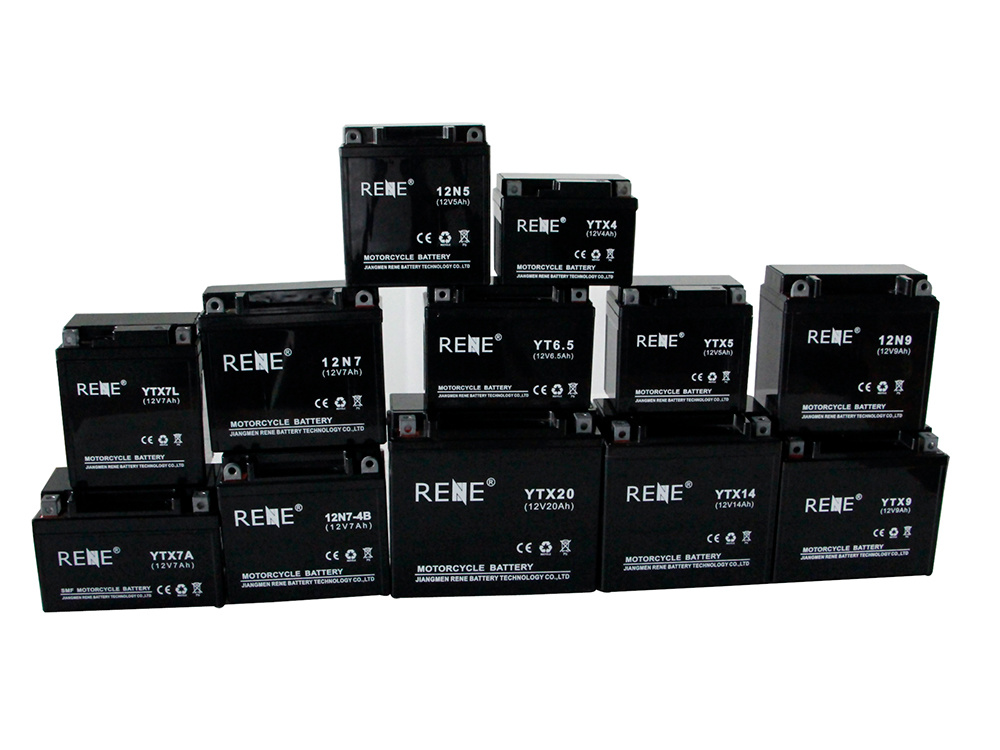
Comprehensive Safety Precautions for Working with Lead Acid Motorcycle Batteries
Working with lead acid motorcycle batteries requires a thorough understanding of safety protocols. These batteries, while essential for the operation of your motorcycle, can pose significant risks if not handled correctly. In this detailed guide, we will explore the necessary precautions to take when dealing with these batteries, ensuring your safety and the longevity of your vehicle.
Understanding Lead Acid Motorcycle Batteries
Lead acid batteries are widely used in motorcycles due to their reliability and affordability. Understanding their composition and function is crucial for safe handling.
What are Lead Acid Batteries?
Lead acid batteries consist of lead dioxide (positive plate), sponge lead (negative plate), and a sulfuric acid electrolyte. They store electrical energy through chemical reactions, providing the necessary power to start the engine and run electrical components.
The Importance of Safety Precautions
The nature of lead acid batteries means that they contain hazardous materials, including sulfuric acid and lead. Mishandling can lead to serious injuries, including chemical burns, electric shock, or even explosions. Therefore, understanding and implementing safety measures is paramount.
Essential Safety Gear for Battery Handling
Before you begin working with lead acid motorcycle batteries, ensure you have the proper personal protective equipment (PPE).
Personal Protective Equipment (PPE)
**Safety Goggles:** Protect your eyes from potential acid splashes.
**Gloves:** Use chemical-resistant gloves, preferably rubber or nitrile, to shield your hands from acid exposure.
**Apron or Coveralls:** A protective apron can prevent acid from damaging your clothing and skin.
**Closed-Toe Shoes:** Always wear closed-toe shoes to protect your feet from spills or heavy objects.
Safe Handling of Lead Acid Batteries
Knowing how to handle lead acid batteries safely is vital. Here are key practices to keep in mind.
Proper Lifting Techniques
Lead acid batteries can be heavy, often weighing between 30 to 50 pounds. Use correct lifting techniques to avoid back injuries.
1. **Bend at your knees** rather than your back when lifting.
2. **Keep the battery close** to your body while lifting.
3. **Avoid twisting** your body; turn your feet instead.
Working in a Well-Ventilated Area
Always work in spaces that are well-ventilated to prevent the buildup of hydrogen gas, which is released during charging. Hydrogen is highly flammable and can lead to explosions if ignited.
Using Insulated Tools
When handling batteries, use insulated tools to reduce the risk of electrical shock. Ensure that your tools are in good condition and free from rust or corrosion.
Step-by-Step Procedure for Battery Maintenance
Proper maintenance of lead acid motorcycle batteries can enhance their lifespan and performance. Here’s how to do it safely.
Disconnecting the Battery
1. **Turn off the motorcycle and remove the key.**
2. **Start with the negative terminal:** Use a wrench to loosen the terminal bolt and carefully detach the negative cable to prevent short circuits.
3. **Proceed to the positive terminal:** Repeat the process for the positive terminal.
Inspecting the Battery
Regularly inspect your battery for signs of wear or damage.
- **Check for cracks** on the casing.
- **Look for corrosion** around the terminals, which appears as a white, powdery substance.
Cleaning the Battery Terminals
If you notice corrosion, clean the terminals appropriately.
1. **Mix a solution** of baking soda and water to neutralize the acid.
2. **Use a wire brush** to scrub the terminals gently.
3. **Rinse with clean water** and dry thoroughly.
Checking Electrolyte Levels
Ensure the electrolyte covers the plates within the battery. If the level is low, add distilled water to prevent damage.
Charging the Battery Safely
When charging, adhere to the manufacturer’s guidelines.
1. **Use a charger** specifically designed for lead acid batteries.
2. **Connect the charger** to the battery by attaching the positive cable first, followed by the negative.
3. **Monitor the charging process** and avoid overcharging, which can cause excessive heat and damage.
Disposal of Lead Acid Batteries
Proper disposal of lead acid batteries is essential to prevent environmental harm.
Recycling Centers
Always take used batteries to local recycling centers or auto parts stores that offer battery recycling services. They can safely handle the toxic materials and ensure proper recycling.
Legal Regulations
Familiarize yourself with local regulations regarding battery disposal. Many areas have strict guidelines to protect the environment.
Emergency Procedures for Battery Incidents
Despite taking precautions, accidents may happen. Therefore, understanding emergency procedures is critical.
Acid Exposure
In the event of acid contact:
- **Rinse the affected area** with copious amounts of water for at least 15 minutes.
- **Seek medical attention** if irritation persists.
Electrical Shock
If someone receives an electrical shock:
1. **Turn off the power source** immediately.
2. **Do not touch the affected person** until the power is disconnected.
3. **Call emergency services** and follow their instructions.
Fire or Explosion Incidents
In case of a fire:
- **Evacuate the area** immediately.
- **Use a Class B fire extinguisher** if trained, but only if it is safe to do so.
- **Call the fire department** without delay.
Frequently Asked Questions (FAQs)
1. What should I do if I accidentally spill battery acid?
If you spill battery acid, neutralize it with a baking soda and water mixture, then clean it up carefully. Wear protective gear and ensure proper ventilation.
2. How often should I check my motorcycle battery?
Inspect your motorcycle battery every month to ensure it is clean and the electrolyte levels are adequate.
3. Can I use a regular charger to charge a lead acid battery?
It’s best to use a charger specifically designed for lead acid batteries, as regular chargers may not provide the correct voltage and current.
4. How can I tell if my battery is failing?
Signs of a failing battery include slow cranking, dim lights, and visible corrosion on the terminals.
5. Are there any specific storage requirements for lead acid batteries?
Store lead acid batteries in a cool, dry place away from direct sunlight and extreme temperatures. Ensure they are upright to prevent leaks.
Conclusion
Handling lead acid motorcycle batteries safely is crucial for both your safety and the proper functioning of your motorcycle. By following the outlined precautions, using the right protective equipment, and understanding maintenance practices, you can significantly reduce the risks associated with battery work. Remember to stay informed about safety guidelines and regulations, and always prioritize safety when working with these essential components of your motorcycle. Armed with this knowledge, you can confidently manage your motorcycle's battery needs while keeping yourself and the environment safe.
Key words:


Sales Team
The company adheres to the working principles of integrity, standardization and efficiency, and wholeheartedly provides high-quality, efficient and fast services to our customers.


SALES:Jack Lee
Wechat: Jack13923713448
Facebook: Jack Lee


SALES:Jason Yu
Wechat: +86-13416655615

Rene battery, excellent performance, drive the future!
Contact Us
Address:Block 2, No.9, Yexing 1st Road, Huicheng, Xinhui District, Jiangmen City, Guangdong ,China

Subscribe to get offers and updates!
Social Media


