Jiangmen Rene Battery Technology Co., Ltd.

Exploring the Market for Newest Lithium Deep Cycle Batteries: A Comprehensive Guide
2025-02-19
Exploring the Market for Newest Lithium Deep Cycle Batteries Table of Contents Introduction to Lithium Deep Cycle Batteries Understanding Deep Cycle Batteries Advantages of Lithium Technology in Batteries Applications of Lithium Deep Cycle Batteries Market Trends and Demand for Lithium Deep Cycle Batteries Key Players in the Lithium Battery Market Considerations When P
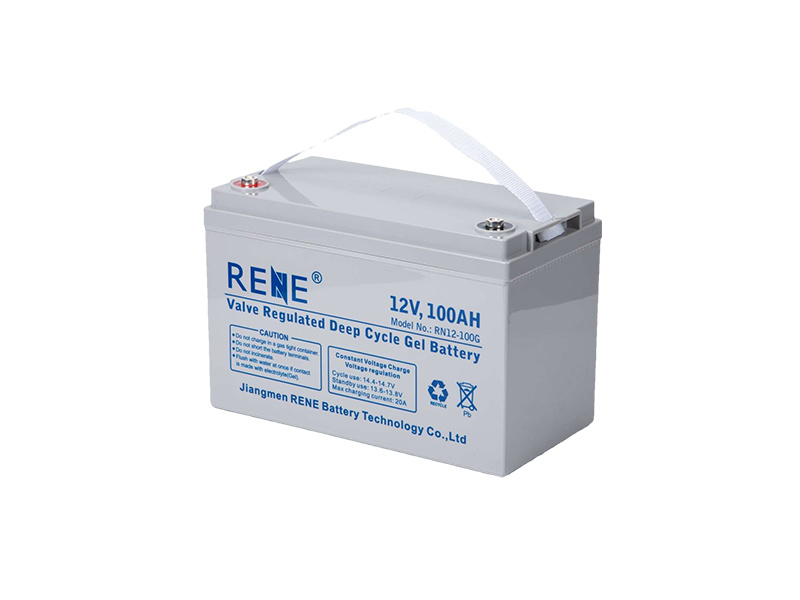
Exploring the Market for Newest Lithium Deep Cycle Batteries
Table of Contents
- Introduction to Lithium Deep Cycle Batteries
- Understanding Deep Cycle Batteries
- Advantages of Lithium Technology in Batteries
- Applications of Lithium Deep Cycle Batteries
- Market Trends and Demand for Lithium Deep Cycle Batteries
- Key Players in the Lithium Battery Market
- Considerations When Purchasing Lithium Deep Cycle Batteries
- The Future of Lithium Battery Technology
- Frequently Asked Questions
- Conclusion
Introduction to Lithium Deep Cycle Batteries
The rise of **lithium deep cycle batteries** represents a significant advancement in energy storage technology. As more industries seek sustainable and efficient power solutions, lithium batteries have emerged as a popular choice. This article will delve into the intricacies of the lithium deep cycle battery market, its benefits, applications, and the factors driving its growth.
Understanding Deep Cycle Batteries
Deep cycle batteries are designed to provide sustained power over extended periods. Unlike starter batteries that deliver quick bursts of energy, deep cycle batteries can be discharged to a significant level without damage. This characteristic makes them ideal for various applications requiring prolonged energy output.
What Sets Lithium Deep Cycle Batteries Apart?
Lithium deep cycle batteries differ from traditional lead-acid batteries in several crucial ways:
1. **Energy Density**: Lithium batteries have a higher energy density, which means they can store more energy in a smaller, lighter package.
2. **Longevity**: These batteries can endure many more charge and discharge cycles, typically lasting **2-3 times longer** than lead-acid counterparts.
3. **Efficiency**: Lithium batteries charge faster and discharge more efficiently, providing more usable energy.
Advantages of Lithium Technology in Batteries
When considering a transition to lithium deep cycle batteries, there are numerous advantages to highlight:
1. Longer Lifespan
Lithium batteries can last up to **10 years** or more with proper care, significantly outpacing traditional lead-acid batteries, which often need replacement every **3-5 years**. This longevity translates to reduced replacement costs and less environmental impact.
2. Enhanced Performance
Lithium deep cycle batteries maintain a higher voltage throughout their discharge cycle, ensuring consistent performance. This is particularly beneficial for applications where energy demands vary.
3. Faster Charging Times
Lithium batteries can be charged much more quickly than lead-acid batteries, often reaching full charge in just a few hours. This efficiency makes them particularly appealing for applications with tight operating schedules.
4. Lightweight and Compact
Lithium batteries are significantly lighter than their lead-acid equivalents, making them easier to handle and install. Their compact size also allows for more versatile installation options.
5. Eco-Friendly
Lithium deep cycle batteries contain fewer toxic materials than lead-acid batteries, making them a more environmentally friendly choice. Additionally, they can be recycled more efficiently, further reducing their ecological footprint.
Applications of Lithium Deep Cycle Batteries
The versatility of lithium deep cycle batteries makes them suitable for a wide range of applications:
1. Renewable Energy Systems
Lithium batteries play a crucial role in solar and wind energy systems, storing energy generated during peak production times for use when demand is high.
2. Electric Vehicles (EVs)
The automotive industry is rapidly transitioning to electric vehicles, with lithium batteries being the primary power source due to their efficiency and energy density.
3. Marine Applications
Many boat owners are switching to lithium deep cycle batteries for their superior performance in marine environments, where weight and space are often at a premium.
4. Recreational Vehicles (RVs) and Camping
Lithium batteries are increasingly popular among RV enthusiasts and campers, providing reliable power for appliances and electronics without the weight of traditional batteries.
5. Backup Power Systems
Homeowners are investing in lithium batteries as part of their backup power systems, ensuring they have a reliable energy source during outages.
Market Trends and Demand for Lithium Deep Cycle Batteries
The demand for lithium deep cycle batteries is accelerating, driven by several factors:
1. Technological Advancements
Continuous innovations in battery chemistry and manufacturing processes are reducing costs and enhancing performance, making lithium deep cycle batteries more accessible to consumers.
2. Increasing Adoption of Renewable Energy
As more individuals and businesses invest in renewable energy solutions, the need for efficient energy storage systems rises, driving demand for lithium batteries.
3. Environmental Regulations
Stricter environmental regulations and a growing awareness of sustainability are prompting industries to shift away from traditional battery technologies in favor of cleaner, more efficient alternatives like lithium deep cycle batteries.
4. Growth of the Electric Vehicle Market
The electric vehicle market is booming, with lithium batteries serving as the backbone of this industry. As more consumers opt for EVs, the demand for high-quality lithium batteries is expected to soar.
Key Players in the Lithium Battery Market
The lithium battery market is populated by several key players, each contributing to the industry's growth:
1. Tesla
Tesla is a leader in the lithium battery sector, especially with its **Gigafactory**, focusing on the production of high-performance batteries for electric vehicles and energy storage solutions.
2. LG Chem
LG Chem is a major manufacturer of lithium-ion batteries, providing solutions for various applications, including electric vehicles, mobile devices, and energy storage systems.
3. Panasonic
Panasonic has established itself as a prominent player in the lithium battery market through its partnerships with Tesla and other automotive manufacturers.
4. BYD
BYD is a Chinese company that produces electric vehicles and batteries, emphasizing renewable energy solutions and sustainable transportation.
Considerations When Purchasing Lithium Deep Cycle Batteries
When looking to invest in lithium deep cycle batteries, several factors should be considered:
1. Battery Capacity
The capacity of a battery, measured in amp-hours (Ah), is crucial when selecting the right lithium battery for your application. Assess your energy needs carefully to choose an appropriate capacity.
2. Discharge Rate
Understanding the discharge rate will help you determine how quickly the battery can provide power. Make sure the discharge rate aligns with your specific requirements.
3. Warranty and Support
Investing in a battery comes with the expectation of durability. Look for manufacturers offering warranties and customer support to ensure assistance in case of issues.
4. Size and Weight
The physical dimensions and weight of lithium batteries can impact installation and usability, so consider these factors based on your application.
5. Price
While lithium batteries are often more expensive upfront than traditional options, their longevity and efficiency can lead to cost savings in the long run. Balance your budget with your energy needs.
The Future of Lithium Battery Technology
As the demand for lithium deep cycle batteries continues to rise, the future of battery technology looks promising:
1. Innovations in Chemistry
Research into alternative lithium chemistries, such as lithium-sulfur and lithium-iron phosphate, is ongoing. These innovations promise to enhance energy density, reduce costs, and improve safety.
2. Recycling Initiatives
With the increase in lithium battery usage comes a growing focus on battery recycling. Initiatives aimed at reclaiming and reusing lithium materials will contribute to sustainability efforts.
3. Expansion of Charging Infrastructure
The development of better charging infrastructure will facilitate the adoption of lithium batteries, particularly in electric vehicles, ensuring quicker and more convenient charging options.
Frequently Asked Questions
1. What are lithium deep cycle batteries used for?
Lithium deep cycle batteries are used in various applications, including renewable energy systems, electric vehicles, marine applications, recreational vehicles, and backup power systems.
2. How long do lithium deep cycle batteries last?
With proper maintenance, lithium deep cycle batteries can last over ten years, significantly longer than traditional lead-acid batteries.
3. Are lithium batteries environmentally friendly?
Yes, lithium batteries contain fewer toxic materials than lead-acid batteries and can be recycled more efficiently, making them a more eco-friendly option.
4. What is the typical charging time for lithium deep cycle batteries?
Lithium batteries can typically be charged fully in a few hours, making them a fast and efficient energy source.
5. How do I choose the right lithium deep cycle battery for my needs?
Consider factors such as battery capacity, discharge rate, warranty, size, weight, and price when selecting the right lithium battery for your specific application.
Conclusion
In summary, the market for the newest **lithium deep cycle batteries** is flourishing, driven by technological advancements, increasing demand for renewable energy, and the transition towards electrification across various sectors. With their numerous advantages over traditional battery technologies, lithium batteries are poised to become the standard for energy storage solutions. As we move forward, understanding these trends and innovations will be crucial for consumers and businesses alike. Investing in lithium deep cycle batteries not only makes sense from a performance perspective but also aligns with a sustainable future.
Key words:


Sales Team
The company adheres to the working principles of integrity, standardization and efficiency, and wholeheartedly provides high-quality, efficient and fast services to our customers.


SALES:Jack Lee
Wechat: Jack13923713448
Facebook: Jack Lee


SALES:Jason Yu
Wechat: +86-13416655615

Rene battery, excellent performance, drive the future!
Contact Us
Address:Block 2, No.9, Yexing 1st Road, Huicheng, Xinhui District, Jiangmen City, Guangdong ,China

Subscribe to get offers and updates!
Social Media


