Jiangmen Rene Battery Technology Co., Ltd.

Understanding In-Stock Lithium Deep Cycle Batteries: A Smart Choice for Your Energy Needs
2025-02-22
Lithium deep cycle batteries are becoming increasingly popular in various applications due to their superior performance and efficiency. When we talk about "in stock lithium deep cycle batteries," we're referring to batteries that are readily available for immediate purchase and use. These batteries offer a host of benefits that make them a preferred choice for automotive and other energy storage
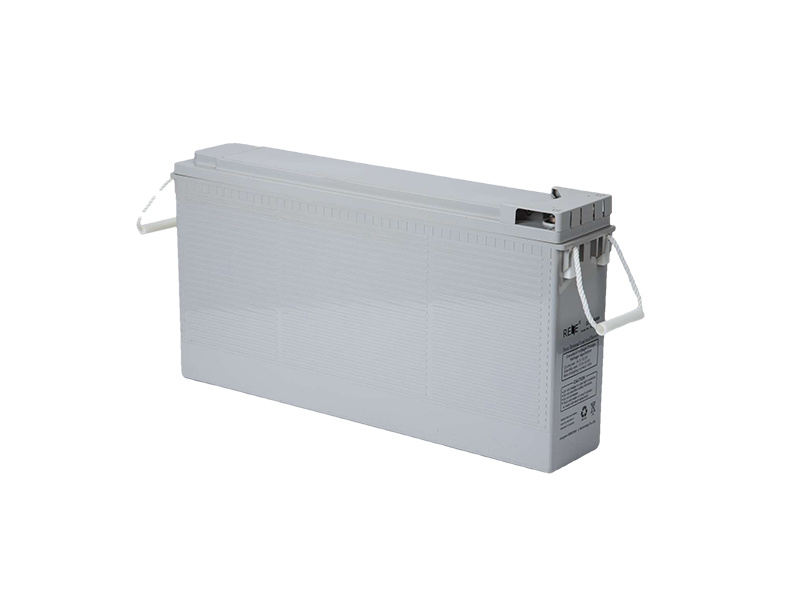
One of the primary advantages of lithium deep cycle batteries is their lightweight design compared to traditional lead-acid batteries. This reduced weight can significantly enhance the overall performance of your vehicle or energy system, leading to improved fuel efficiency and better handling. Additionally, lithium batteries have a higher energy density, which means they can store more energy in a smaller volume. This feature is particularly beneficial in applications where space is limited.
Another important aspect to consider is the longevity and lifespan of lithium deep cycle batteries. These batteries can typically endure more charge and discharge cycles—often exceeding 2,000 cycles—before their capacity starts to diminish significantly. In contrast, traditional lead-acid batteries usually offer around 500 to 1,000 cycles, leading to a considerable difference in overall value and maintenance costs.
Furthermore, lithium deep cycle batteries have a much lower self-discharge rate. This means that when not in use, they retain their charge for a longer time compared to other types of batteries. This characteristic is particularly advantageous for seasonal or intermittent energy use, ensuring that the battery is ready to go when you need it.
In terms of charging, lithium batteries also stand out with their quicker recharge times. Many lithium deep cycle batteries can be fully charged in just a few hours, while traditional batteries may take significantly longer. This feature can be crucial for applications that require quick turnaround times, such as in electric vehicles or RVs.
When considering in-stock lithium deep cycle batteries, it’s essential to evaluate the specific needs of your application. Factors such as voltage, capacity, and discharge rates should align with your requirements to ensure optimal performance. Additionally, while lithium batteries generally have a higher upfront cost, their long-term savings due to reduced maintenance and replacement can make them a more economical choice in the long run.
In conclusion, in-stock lithium deep cycle batteries represent a smart investment for anyone looking to improve the efficiency and reliability of their energy systems. Whether for automotive use, renewable energy storage, or other applications, these batteries offer numerous advantages that can enhance performance and reduce long-term costs. As you consider your options, keep in mind the specific requirements of your application to choose the best battery for your needs.
Key words:


Sales Team
The company adheres to the working principles of integrity, standardization and efficiency, and wholeheartedly provides high-quality, efficient and fast services to our customers.


SALES:Jack Lee
Wechat: Jack13923713448
Facebook: Jack Lee


SALES:Jason Yu
Wechat: +86-13416655615

Rene battery, excellent performance, drive the future!
Contact Us
Address:Block 2, No.9, Yexing 1st Road, Huicheng, Xinhui District, Jiangmen City, Guangdong ,China

Subscribe to get offers and updates!
Social Media


