Jiangmen Rene Battery Technology Co., Ltd.

Exploring the Benefits of Quality Deep Cycle Gel Batteries for Your Vehicle
2025-03-07
Exploring the Benefits of Quality Deep Cycle Gel Batteries for Your Vehicle Table of Contents What are Deep Cycle Gel Batteries? Advantages of Deep Cycle Gel Batteries How Deep Cycle Gel Batteries Work Applications of Deep Cycle Gel Batteries in Vehicles Choosing the Right Deep Cycle Gel Battery for Your Vehicle Maintenance Tips for Deep Cycle Gel Batteries
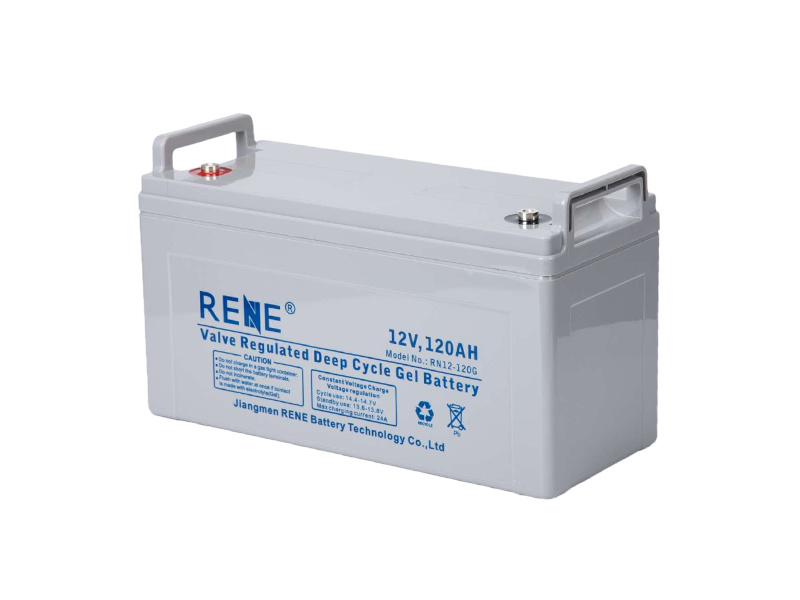
Exploring the Benefits of Quality Deep Cycle Gel Batteries for Your Vehicle
Table of Contents
- What are Deep Cycle Gel Batteries?
- Advantages of Deep Cycle Gel Batteries
- How Deep Cycle Gel Batteries Work
- Applications of Deep Cycle Gel Batteries in Vehicles
- Choosing the Right Deep Cycle Gel Battery for Your Vehicle
- Maintenance Tips for Deep Cycle Gel Batteries
- Common Issues and Troubleshooting
- Conclusion
- FAQs
What are Deep Cycle Gel Batteries?
Deep cycle gel batteries are a type of rechargeable battery that is designed to provide a steady amount of power over a long period. Unlike traditional lead-acid batteries, which are often used for starting engines, deep cycle batteries are built for repeated discharge and recharge cycles. The "gel" in their name refers to the electrolyte contained within, which is a thickened blend rather than a liquid, enhancing performance and safety. These batteries are especially popular in applications where consistent power is necessary, such as in recreational vehicles (RVs), marine environments, and off-grid solar systems.
Advantages of Deep Cycle Gel Batteries
When it comes to selecting the ideal battery for your vehicle, understanding the advantages of deep cycle gel batteries is crucial. Here are several key benefits:
1. Enhanced Safety Features
One of the most significant advantages of deep cycle gel batteries is their safety. The gel electrolyte minimizes the risk of leakage and spillage, making them safer for use in confined spaces or vehicles prone to vibrations.
2. Longer Lifespan
Quality deep cycle gel batteries often have a longer lifespan compared to conventional batteries. This is due to their ability to withstand repeated deep discharges without significant harm, which translates to fewer replacements over time.
3. Deep Discharge Capability
Unlike standard batteries, deep cycle gel batteries can be discharged to a much lower state without damaging the cells. This capability is particularly beneficial for applications where power needs may fluctuate significantly.
4. Low Maintenance Requirements
Deep cycle gel batteries require minimal maintenance. Unlike flooded lead-acid batteries, they do not require periodic topping off with water, which simplifies ownership.
5. Resistance to Temperature Fluctuations
The gel design offers improved resistance to temperature extremes, making these batteries suitable for various climates. They can perform well in both hot and cold conditions, ensuring reliable performance no matter the environment.
How Deep Cycle Gel Batteries Work
Understanding the mechanism behind deep cycle gel batteries can help you appreciate their functionality. These batteries use a gel-like electrolyte that immobilizes the acid, preventing it from sloshing around. This design allows for efficient power delivery while also minimizing the risk of corrosion and damage.
The chemical reactions inside a gel battery are similar to those of traditional lead-acid batteries. However, the gel electrolyte allows for a more stable reaction, reducing the amount of gas produced during charging. This means less risk of explosion and less maintenance, making gel batteries a favored choice for many vehicle owners.
Applications of Deep Cycle Gel Batteries in Vehicles
Deep cycle gel batteries are versatile and can be used in various vehicle applications. Here are some common uses:
1. Recreational Vehicles (RVs)
RVs often rely on deep cycle gel batteries for powering appliances, lights, and other electronic devices while parked away from shore power. Their ability to provide sustained energy makes them ideal for extended camping trips.
2. Marine Applications
In marine environments, deep cycle gel batteries are used to power trolling motors, fish finders, and other equipment, providing reliable energy without the risk of spillage in the water.
3. Electric Vehicles
Some electric vehicles utilize these batteries due to their capacity for deep discharge and recharge cycles, contributing to a longer driving range and enhanced performance.
4. Off-Grid Solar Systems
For those relying on solar energy solutions, deep cycle gel batteries serve as effective energy storage systems, ensuring that power is available even when the sun isn’t shining.
Choosing the Right Deep Cycle Gel Battery for Your Vehicle
Selecting the appropriate deep cycle gel battery is crucial for optimizing performance and longevity. Here are key factors to consider:
1. Capacity and Size
Determine the required power capacity for your vehicle's needs. This is typically measured in amp-hours (Ah). Additionally, ensure that the physical dimensions of the battery fit your vehicle’s battery compartment.
2. Quality and Brand Reputation
Invest in quality brands known for their reliability and performance. Research customer reviews and seek recommendations to find trusted options.
3. Warranty and Support
Look for batteries that come with a robust warranty. This reflects the manufacturer’s confidence in their product and provides peace of mind for consumers.
4. Price vs. Value
While it may be tempting to choose cheaper options, consider the long-term value of a higher-quality gel battery. Investing in a premium product can save money on replacements and maintenance in the future.
Maintenance Tips for Deep Cycle Gel Batteries
To ensure your deep cycle gel battery remains in optimal condition, follow these maintenance tips:
1. Regular Inspections
Check for any signs of wear or damage, including corrosion at terminals or cracks in the casing. Addressing these issues early can prevent larger problems.
2. Keep Terminals Clean
Ensure battery terminals are clean and free of corrosion. Use a mixture of baking soda and water to clean them if necessary, and apply a protectant to prevent future buildup.
3. Monitor Charge Levels
Regularly check the charge level of your battery. Avoid deep discharges as much as possible to extend its lifespan, and recharge it promptly when necessary.
4. Store Properly
If you need to store the battery for an extended period, keep it in a cool, dry location and ensure it is fully charged. Periodically recharging it during storage can help maintain its condition.
Common Issues and Troubleshooting
Even with proper care, issues may arise with deep cycle gel batteries. Here are some common problems and their solutions:
1. Battery Not Holding Charge
If your battery fails to hold a charge, it may be reaching the end of its lifespan. Check for any loose connections and ensure that the charging system is functioning correctly.
2. Overheating During Charging
Overheating can indicate overcharging or poor ventilation. Ensure that the charger is appropriate for the battery type and that it is placed in a well-ventilated area.
3. Reduced Performance in Cold Weather
Cold temperatures can affect battery performance. If you experience reduced efficiency, consider using a battery warmer or insulator during colder months.
Conclusion
Deep cycle gel batteries offer a multitude of benefits for vehicle owners, providing reliable, long-lasting power for various applications. Their safety features, longevity, and maintenance ease make them an ideal choice for anyone looking to enhance their vehicle's performance. By understanding how to choose, maintain, and troubleshoot these batteries, you can ensure that your investment pays off in the long run. Whether you're powering an RV, marine vessel, or electric vehicle, quality deep cycle gel batteries stand out as a superior option in the automotive industry.
FAQs
1. What is the lifespan of a deep cycle gel battery?
The lifespan of a deep cycle gel battery can range from 5 to 15 years, depending on usage, maintenance, and environmental conditions.
2. Can deep cycle gel batteries be charged with a regular battery charger?
It's advisable to use a charger specifically designed for gel batteries to prevent damage and ensure efficient charging.
3. Do deep cycle gel batteries require maintenance?
They require minimal maintenance, primarily involving regular inspections and keeping terminals clean.
4. What is the difference between gel batteries and AGM batteries?
While both are sealed lead-acid batteries, gel batteries use a gel-like electrolyte, whereas AGM (Absorbent Glass Mat) batteries use a fiberglass mat to absorb the electrolyte.
5. How do I recycle a deep cycle gel battery?
Deep cycle gel batteries should be recycled at designated recycling centers that handle hazardous materials, ensuring safe disposal and environmental protection.
Key words:
Previous Page:


Sales Team
The company adheres to the working principles of integrity, standardization and efficiency, and wholeheartedly provides high-quality, efficient and fast services to our customers.


SALES:Jack Lee
Wechat: Jack13923713448
Facebook: Jack Lee


SALES:Jason Yu
Wechat: +86-13416655615

Rene battery, excellent performance, drive the future!
Contact Us
Address:Block 2, No.9, Yexing 1st Road, Huicheng, Xinhui District, Jiangmen City, Guangdong ,China

Subscribe to get offers and updates!
Social Media


