Jiangmen Rene Battery Technology Co., Ltd.

Understanding Lead-Acid Battery Front Terminal Spots: Importance and Maintenance
2025-04-27
Lead-acid batteries are widely used in various automotive applications due to their reliability and cost-effectiveness. One important feature of some lead-acid batteries is the front terminal design, which includes distinct front terminal spots. These spots serve as the connection points for the battery cables, ensuring efficient electrical flow between the battery and the vehicle's electrical sys
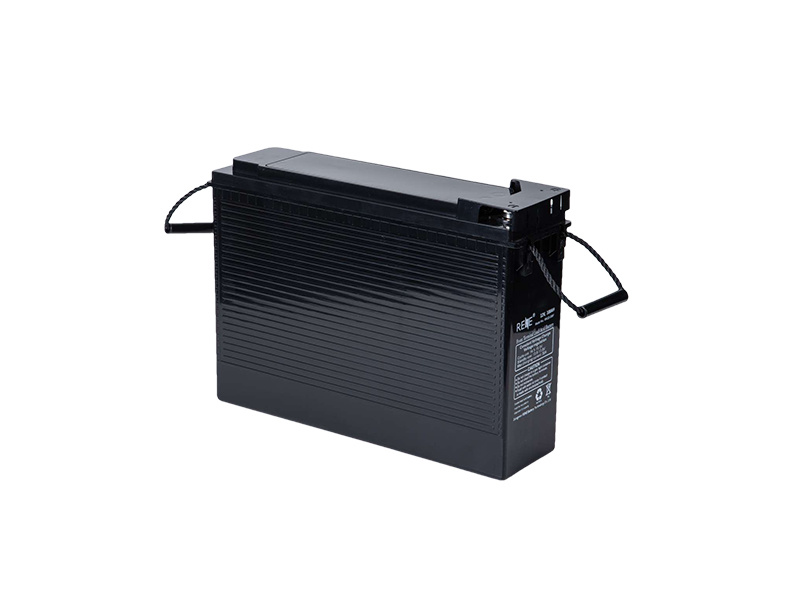
The front terminal configuration provides several advantages. Firstly, it allows for easier access to the battery terminals, making installation and maintenance simpler for technicians or users. This accessibility is particularly beneficial for batteries installed in tight spaces, where traditional top-post terminals would be difficult to reach. Conversely, the design of front terminal spots can also influence the overall performance of the battery, as proper connectivity is crucial for efficient power transfer.
When it comes to maintaining lead-acid batteries with front terminal spots, several best practices should be followed. Regular inspection of the terminals is essential. Over time, corrosion can build up around the terminal spots, leading to poor electrical connections and reduced performance. A simple cleaning process involving a mixture of baking soda and water can help eliminate corrosion. After cleaning, it’s vital to ensure that the terminals are securely connected, as loose connections can lead to voltage drops and increased resistance.
Another critical aspect is to monitor the battery's state of charge. Lead-acid batteries should not be discharged below a certain level to prevent sulfation, which can damage the battery and decrease its lifespan. Using a battery maintainer or smart charger can help in keeping the battery charged and in optimal condition.
Temperature also plays a significant role in the performance of lead-acid batteries. Storage and usage in extreme temperatures can affect the efficiency and lifespan of the battery. It is advisable to keep lead-acid batteries in a cool, dry environment, as high temperatures can accelerate the chemical reactions inside the battery, leading to faster degradation.
Lastly, understanding the signs of battery failure is crucial. Common indicators include slow engine cranking, dimming lights, or a battery warning light on the dashboard. If any of these symptoms arise, it’s advisable to have the battery tested or replaced to avoid getting stranded.
In conclusion, the front terminal spots of lead-acid batteries play a vital role in ensuring optimal performance. By understanding their function and following proper maintenance practices, users can enhance the durability and efficiency of their batteries. Regular inspection, cleaning, and monitoring of battery health can significantly contribute to a longer lifespan, making it essential knowledge for anyone utilizing lead-acid batteries in automotive applications.
Key words:
Previous Page:


Sales Team
The company adheres to the working principles of integrity, standardization and efficiency, and wholeheartedly provides high-quality, efficient and fast services to our customers.


SALES:Jack Lee
Wechat: Jack13923713448
Facebook: Jack Lee


SALES:Jason Yu
Wechat: +86-13416655615

Rene battery, excellent performance, drive the future!
Contact Us
Address:Block 2, No.9, Yexing 1st Road, Huicheng, Xinhui District, Jiangmen City, Guangdong ,China

Subscribe to get offers and updates!
Social Media


