Jiangmen Rene Battery Technology Co., Ltd.

The Rise of LiFePO4 Lithium Battery Factories: Innovations and Industry Insights
2025-05-01
--- In recent years, the demand for energy storage solutions has surged, with LiFePO4 (Lithium Iron Phosphate) batteries emerging as a prominent choice in the market. This rise has led to the establishment of numerous LiFePO4 lithium battery factories. Understanding the capabilities and advantages of these facilities can offer valuable insights into the future of energy storage and electric mobili
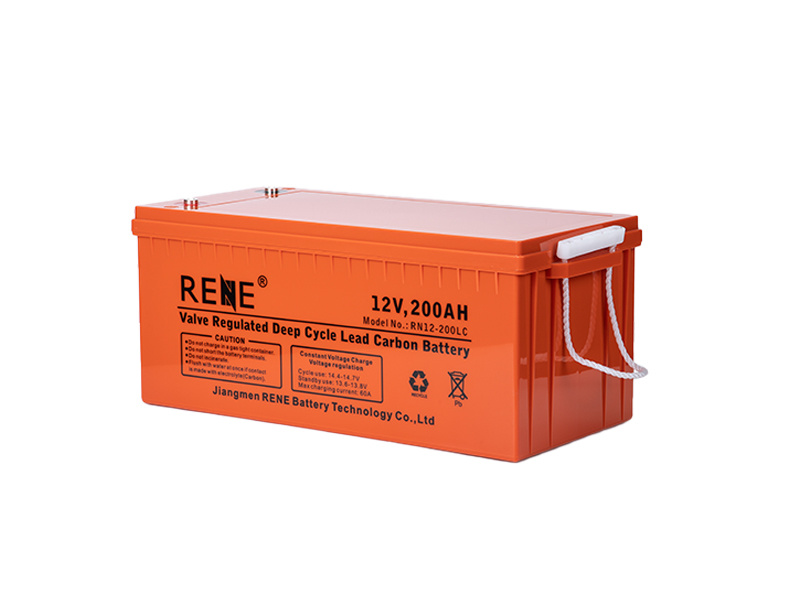
In recent years, the demand for energy storage solutions has surged, with LiFePO4 (Lithium Iron Phosphate) batteries emerging as a prominent choice in the market. This rise has led to the establishment of numerous LiFePO4 lithium battery factories. Understanding the capabilities and advantages of these facilities can offer valuable insights into the future of energy storage and electric mobility.
LiFePO4 batteries are known for their stability, safety, and longevity compared to other lithium battery chemistries. They provide excellent thermal stability and are less prone to overheating, making them an ideal choice for applications that require a high level of safety. This reliability has spurred a growing interest among manufacturers and consumers, driving the proliferation of LiFePO4 lithium battery factories.
These factories focus on innovative production techniques that enhance battery performance while reducing costs. By incorporating advanced manufacturing processes, such as automated assembly lines and state-of-the-art quality control measures, manufacturers are able to produce high-quality batteries that meet stringent industry standards. This level of quality assurance is critical in sectors such as electric vehicles, renewable energy storage systems, and portable electronics.
One of the significant advantages of LiFePO4 lithium batteries is their environmental impact. Unlike other lithium-ion battery options, LiFePO4 batteries are free from toxic heavy metals, making them more eco-friendly and easier to recycle. As environmental concerns continue to drive consumer choices, the demand for sustainable battery solutions ensures that LiFePO4 lithium battery factories will play a crucial role in the transition toward greener energy sources.
Additionally, these factories contribute to economic growth by creating jobs in various regions. As the global market for electric vehicles and renewable energy storage expands, the need for skilled labor in battery production will increase. This trend not only supports local economies but also fosters technological advancements in battery manufacturing.
Moreover, the scalability of LiFePO4 lithium battery production allows factories to adapt to changing market demands. Manufacturers can increase or decrease production based on consumer needs, ensuring a steady supply of batteries for both commercial and consumer use. Such flexibility is vital in an industry characterized by rapid technological progress and evolving energy storage requirements.
In conclusion, the establishment of LiFePO4 lithium battery factories marks a significant development in the energy storage sector. With their focus on safety, sustainability, and innovation, these factories are poised to meet the increasing demand for efficient battery solutions that support the transition to renewable energy. As the industry continues to grow, understanding the role of these factories will be essential for stakeholders looking to navigate this dynamic landscape.
Key words:
Previous Page:


Sales Team
The company adheres to the working principles of integrity, standardization and efficiency, and wholeheartedly provides high-quality, efficient and fast services to our customers.


SALES:Jack Lee
Wechat: Jack13923713448
Facebook: Jack Lee


SALES:Jason Yu
Wechat: +86-13416655615

Rene battery, excellent performance, drive the future!
Contact Us
Address:Block 2, No.9, Yexing 1st Road, Huicheng, Xinhui District, Jiangmen City, Guangdong ,China

Subscribe to get offers and updates!
Social Media


