Jiangmen Rene Battery Technology Co., Ltd.

Unlocking the Potential of Lithium Ion Deep Cycle Batteries: A Comprehensive Guide
2025-09-11
Lithium ion deep cycle batteries are becoming increasingly popular in a variety of applications, from electric vehicles to renewable energy systems. Unlike standard lithium-ion batteries, deep cycle batteries are engineered to be discharged and recharged repeatedly while maintaining performance and longevity. Understanding the unique characteristics and advantages of lithium ion deep cycle batteri
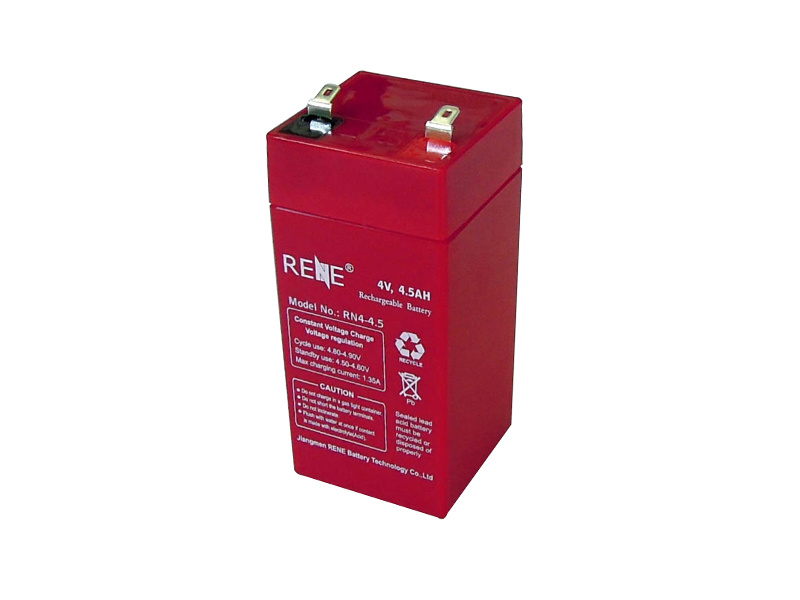
One of the primary advantages of lithium ion deep cycle batteries is their superior energy density compared to traditional lead-acid batteries. This means they can store more energy in a smaller and lighter package, allowing for more efficient use of space, especially in applications where weight is a critical factor, such as in marine and automotive uses.
Another key benefit is their longer cycle life. Lithium ion deep cycle batteries can typically endure thousands of charge and discharge cycles before their performance significantly degrades. This longevity translates to lower maintenance costs and fewer replacements over time, making them a cost-effective solution for energy storage.
Additionally, lithium ion deep cycle batteries have a lower self-discharge rate, meaning they retain their charge for longer periods when not in use. This feature makes them especially suitable for applications that require occasional use or standby power, such as backup systems for solar energy installations or uninterruptible power supplies (UPS).
In terms of charging, lithium ion deep cycle batteries also offer faster recharge times compared to their lead-acid counterparts. This efficiency is crucial in situations where downtime needs to be minimized, such as in commercial and industrial applications. Moreover, advancements in battery management systems (BMS) have enhanced the safety and reliability of these batteries, ensuring they operate efficiently under various conditions.
However, it’s important to note the environmental impact and recycling considerations associated with lithium ion batteries. As the demand for these batteries grows, so too does the need for effective recycling programs to manage the materials responsibly. Ensuring sustainable practices in battery production and disposal is essential for the industry’s growth and environmental stewardship.
In summary, lithium ion deep cycle batteries represent a significant advancement in energy storage technology. Their high energy density, long cycle life, low self-discharge rates, and fast charging capabilities make them an ideal choice for a wide range of applications. As you consider your energy storage options, understanding the potential of lithium ion deep cycle batteries can empower you to make informed choices that align with your goals and sustainability practices.
Key words:


Sales Team
The company adheres to the working principles of integrity, standardization and efficiency, and wholeheartedly provides high-quality, efficient and fast services to our customers.


SALES:Jack Lee
Wechat: Jack13923713448
Facebook: Jack Lee


SALES:Jason Yu
Wechat: +86-13416655615

Rene battery, excellent performance, drive the future!
Contact Us
Address:Block 2, No.9, Yexing 1st Road, Huicheng, Xinhui District, Jiangmen City, Guangdong ,China

Subscribe to get offers and updates!
Social Media


