Jiangmen Rene Battery Technology Co., Ltd.

Understanding Lead Acid Deep Cycle Batteries: An Essential Guide for Sustainable Energy Solutions
2025-09-19
Lead acid deep cycle batteries are a vital component in many renewable energy systems, particularly solar energy applications. Unlike traditional car batteries designed for short bursts of power, deep cycle batteries are engineered to provide a steady amount of energy over an extended period. This characteristic makes them ideal for powering devices and systems that require consistent energy outpu
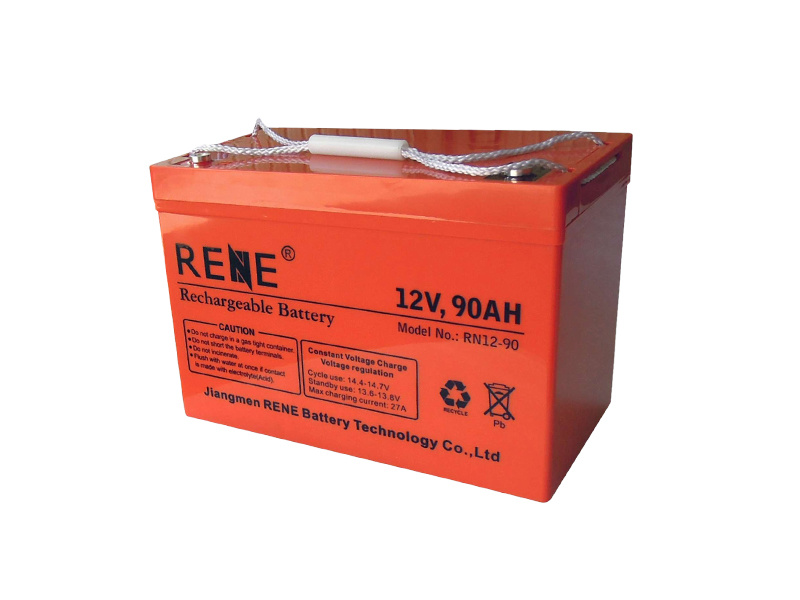
One of the defining features of lead acid deep cycle batteries is their ability to be discharged and recharged multiple times without significant damage. Typically, these batteries can be discharged to about 50% of their capacity without degrading their lifespan. This deep discharge capability allows them to be used effectively in applications where energy needs fluctuate throughout the day. When paired with solar panels, for example, these batteries can store excess energy generated during sunny periods for use during the night or on cloudy days.
Another advantage of lead acid deep cycle batteries is their cost-effectiveness. While newer technologies like lithium-ion batteries are gaining popularity, lead acid batteries remain a more affordable option for many users. They are readily available, have a well-established manufacturing process, and boast a long history of reliability. Additionally, lead acid batteries are recyclable, contributing to a sustainable energy solution by reducing waste and promoting the reuse of materials.
Maintenance is key to ensuring the longevity and efficiency of lead acid deep cycle batteries. Regular checks on water levels, particularly in flooded lead acid batteries, are essential. Keeping the terminals clean and free of corrosion can also help maintain optimal performance. It's recommended to charge the battery fully and avoid discharging it completely to extend its lifespan. Proper ventilation during charging is crucial, as hydrogen gas can be emitted, which can pose safety risks.
In conclusion, lead acid deep cycle batteries play a critical role in energy storage solutions, particularly in renewable energy applications. Their ability to provide reliable power over extended periods, coupled with their affordability and recyclability, make them a popular choice for various uses, from solar power systems to marine applications. Understanding how to maintain and utilize these batteries effectively can lead to improved performance and a more sustainable energy future.
Key words:


Sales Team
The company adheres to the working principles of integrity, standardization and efficiency, and wholeheartedly provides high-quality, efficient and fast services to our customers.


SALES:Jack Lee
Wechat: Jack13923713448
Facebook: Jack Lee


SALES:Jason Yu
Wechat: +86-13416655615

Rene battery, excellent performance, drive the future!
Contact Us
Address:Block 2, No.9, Yexing 1st Road, Huicheng, Xinhui District, Jiangmen City, Guangdong ,China

Subscribe to get offers and updates!
Social Media


