Jiangmen Rene Battery Technology Co., Ltd.

Understanding Lead Acid Deep Cycle Batteries: Essential Insights for Professionals
2025-10-19
Lead acid deep cycle batteries are a crucial component in various energy storage systems, particularly in applications that require sustained power over extended periods. Unlike standard lead acid batteries, which are designed for short bursts of power, deep cycle batteries are engineered to be discharged and recharged repeatedly without significant damage to their structure. This characteristic m
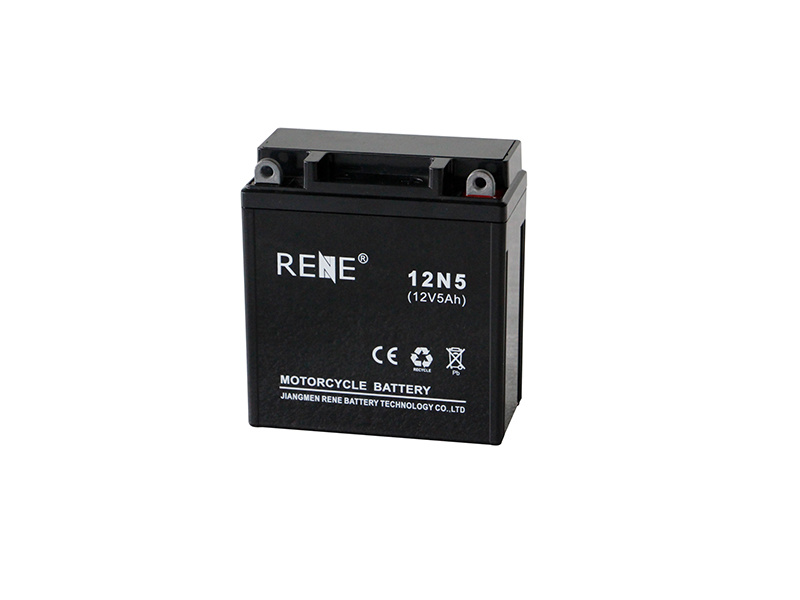
One of the primary features of lead acid deep cycle batteries is their ability to provide a consistent voltage output even as the battery discharges. This is essential for applications where a steady power supply is critical for operational efficiency. They typically contain thicker plates and a denser active material compared to their shallow cycle counterparts, allowing them to endure deeper discharges—often down to 20% of their total capacity—without compromising their lifespan.
When considering lead acid deep cycle batteries, it’s important to note their charging and discharging cycles. These batteries generally have a cycle life ranging from 500 to 1,200 cycles, depending on the depth of discharge and maintenance. Proper charging practices can extend their longevity, making it crucial for users to understand how to manage charging effectively. For instance, using a smart charger designed for deep cycle batteries can help maintain optimal charge levels without overcharging, which can lead to sulfation and reduced battery life.
In terms of energy density, lead acid deep cycle batteries are less efficient compared to newer technologies like lithium-ion batteries. However, they are often favored for their cost-effectiveness and reliability. Additionally, they are widely available and have a well-established recycling process, contributing to their sustainability profile. For professionals working in the electrical and energy sectors, understanding the operational characteristics of these batteries is vital, especially in the context of integrating them into solar power systems.
Another critical consideration is the maintenance required for lead acid deep cycle batteries. Regular checks on the electrolyte levels and terminal connections can significantly impact their performance. Furthermore, these batteries should be stored in a cool, dry location to prevent overheating and potential failure.
In conclusion, lead acid deep cycle batteries remain a popular choice for various applications due to their robust performance and reliability in energy storage. As professionals in the electrical and energy sectors, understanding the nuances of these batteries can greatly enhance the effectiveness of energy systems, particularly when coupled with renewable energy sources like solar power. By leveraging the strengths of lead acid deep cycle batteries, you can ensure a dependable energy supply for a broad range of applications.
Key words:


Sales Team
The company adheres to the working principles of integrity, standardization and efficiency, and wholeheartedly provides high-quality, efficient and fast services to our customers.


SALES:Jack Lee
Wechat: Jack13923713448
Facebook: Jack Lee


SALES:Jason Yu
Wechat: +86-13416655615

Rene battery, excellent performance, drive the future!
Contact Us
Address:Block 2, No.9, Yexing 1st Road, Huicheng, Xinhui District, Jiangmen City, Guangdong ,China

Subscribe to get offers and updates!
Social Media


