Jiangmen Rene Battery Technology Co., Ltd.

Understanding Lithium-Ion Deep Cycle Batteries: Applications and Benefits
2025-11-06
Lithium-ion deep cycle batteries have gained significant popularity due to their efficiency and long-lasting performance. Unlike traditional lead-acid batteries, which can only deliver a limited amount of energy before needing a recharge, lithium-ion batteries are designed to be discharged and recharged multiple times without significant degradation in performance. This characteristic makes them p
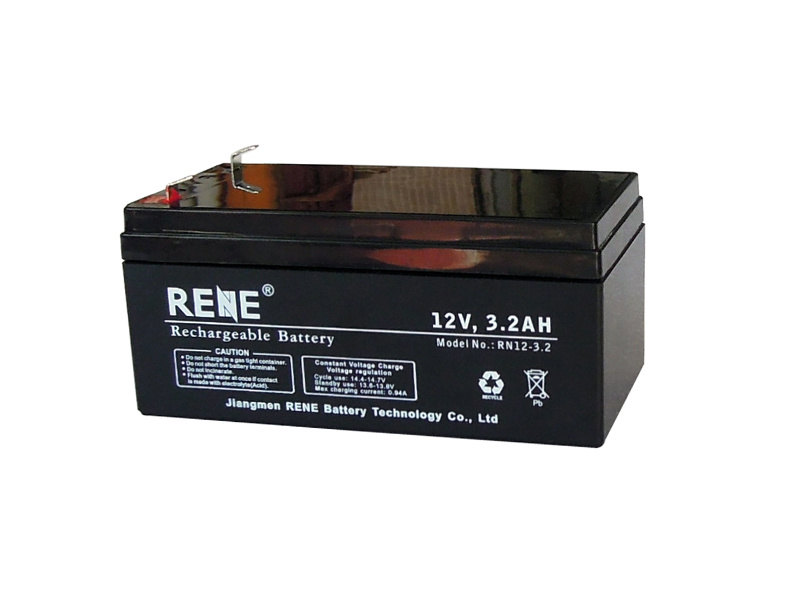
One of the main advantages of lithium-ion deep cycle batteries is their energy density. They can store more energy in a smaller and lighter package compared to conventional battery technologies. This is especially beneficial for portable applications, such as electric vehicles, renewable energy systems (like solar power storage), and backup power solutions. Their lightweight nature reduces the overall weight of the system, making them easier to handle and install.
Another significant benefit is their longer cycle life. Lithium-ion batteries commonly last for more than 2000 cycles, while lead-acid batteries typically need replacement after about 500 cycles. This longevity not only reduces the frequency of replacements but also decreases the total cost of ownership over time. As businesses look for ways to improve efficiency and cut costs, investing in lithium-ion deep cycle batteries becomes an increasingly attractive option.
Furthermore, lithium-ion batteries exhibit fast charging capabilities. This feature allows for reduced downtime, which is crucial for applications where power availability is critical. Users can recharge these batteries quickly, minimizing the waiting period before the next use. This aspect is especially advantageous in commercial settings, where time is paramount.
Safety is another area where lithium-ion deep cycle batteries have made advancements. While earlier versions posed risks such as overheating and potential explosions, modern designs incorporate multiple safety features, including battery management systems (BMS) that monitor voltage and temperature. These systems help to prevent overcharging and excessive discharging, enhancing the overall safety of the batteries.
The environmental impact of lithium-ion batteries is also worth noting. Although the production process does involve some environmental concerns, their longevity and efficiency can lead to a reduced carbon footprint over the battery's lifespan. Many manufacturers are also working on recycling programs to mitigate these concerns, which is becoming increasingly important as sustainability becomes a priority across industries.
In conclusion, lithium-ion deep cycle batteries represent a reliable and efficient power solution for various applications. With their advantages in energy density, longevity, fast charging, safety, and environmental considerations, they are a wise choice for professionals in the electrical and battery industries. Understanding these benefits can help businesses make informed decisions about integrating lithium-ion technology into their operations, ultimately leading to greater efficiency and cost savings.
Key words:


Sales Team
The company adheres to the working principles of integrity, standardization and efficiency, and wholeheartedly provides high-quality, efficient and fast services to our customers.


SALES:Jack Lee
Wechat: Jack13923713448
Facebook: Jack Lee


SALES:Jason Yu
Wechat: +86-13416655615

Rene battery, excellent performance, drive the future!
Contact Us
Address:Block 2, No.9, Yexing 1st Road, Huicheng, Xinhui District, Jiangmen City, Guangdong ,China

Subscribe to get offers and updates!
Social Media


