Jiangmen Rene Battery Technology Co., Ltd.

The Impact of Temperature on Lead Acid Batteries for Solar Energy: An In-Depth Analysis
2025-11-21
The Impact of Temperature on Lead Acid Batteries for Solar Energy Table of Contents 1. Introduction to Lead Acid Batteries in Solar Energy Systems 2. Understanding Temperature Effects on Battery Chemistry 3. Optimal Temperature Ranges for Lead Acid Batteries 3.1. Effects of High Temperatures 3.2. Effects of Low Temperatures 4. Temperature Management Techniques for Battery Systems 4.1. Insulation S
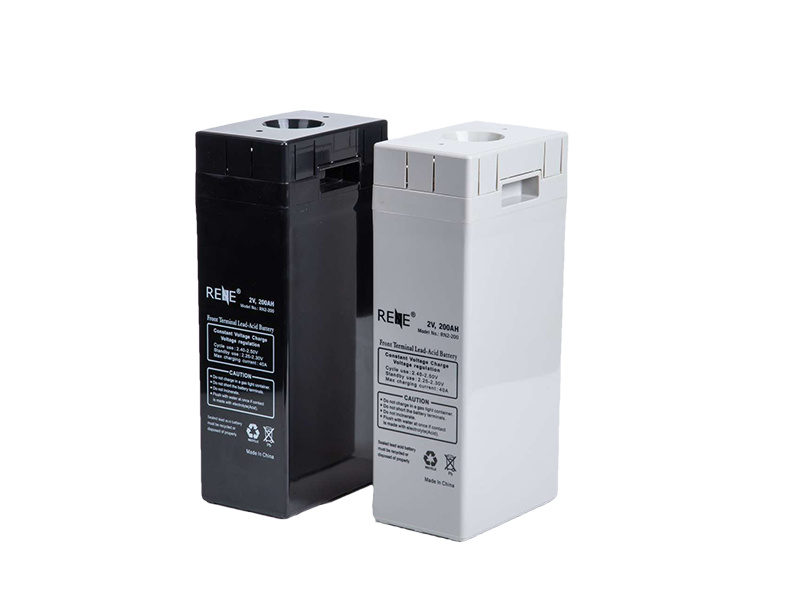
The Impact of Temperature on Lead Acid Batteries for Solar Energy
Table of Contents
1. Introduction to Lead Acid Batteries in Solar Energy Systems
2. Understanding Temperature Effects on Battery Chemistry
3. Optimal Temperature Ranges for Lead Acid Batteries
3.1. Effects of High Temperatures
3.2. Effects of Low Temperatures
4. Temperature Management Techniques for Battery Systems
4.1. Insulation Strategies
4.2. Ventilation Solutions
5. Real-World Case Studies on Temperature Impact
6. Best Practices for Maintaining Battery Performance
7. Frequently Asked Questions (FAQs)
8. Conclusion: Maximizing Efficiency in Solar Energy Systems
1. Introduction to Lead Acid Batteries in Solar Energy Systems
Lead acid batteries are a cornerstone of many solar energy systems, providing reliable energy storage for residential and commercial applications. Their ability to efficiently store and release energy makes them popular among solar energy users. However, one crucial aspect often overlooked is the **impact of temperature** on their performance. Understanding how temperature variations influence lead acid batteries can significantly enhance the efficiency and longevity of solar energy systems.
2. Understanding Temperature Effects on Battery Chemistry
Lead acid batteries operate on chemical reactions that are sensitive to temperature. The temperature can affect both the electrolyte's viscosity and the rate of chemical reactions within the battery. Higher temperatures typically speed up these reactions, while lower temperatures slow them down. To fully grasp the implications of these changes, it is essential to understand the following:
- **Electrolyte Composition:** The electrolyte in a lead acid battery primarily consists of sulfuric acid and water. Temperature fluctuations affect the density and conductivity of this solution.
- **Chemical Reaction Rates:** The rate of lead sulfate conversion back to lead and sulfuric acid increases with temperature, impacting the battery's charging efficiency and lifespan.
3. Optimal Temperature Ranges for Lead Acid Batteries
Maintaining lead acid batteries within an optimal temperature range is crucial for maximizing performance.
3.1. Effects of High Temperatures
High temperatures can lead to **increased evaporation** of the electrolyte, causing dry-out conditions that damage the battery plates. Additionally, elevated temperatures can accelerate the corrosion of lead and reduce the battery's overall lifespan. Generally, lead acid batteries perform optimally at temperatures between **20°C to 25°C (68°F to 77°F)**.
- **Rapid Charging Risks:** At high temperatures, batteries may charge too quickly, risking overcharging and resulting in gassing, which can vent harmful gases.
- **Thermal Runaway:** In some cases, excessive heat can trigger thermal runaway, where the battery heats up uncontrollably, leading to potential failure.
3.2. Effects of Low Temperatures
Conversely, low temperatures can significantly hinder a battery's performance. The density of the electrolyte increases, leading to a higher internal resistance and decreased capacity.
- **Reduced Capacity:** At temperatures below **0°C (32°F)**, a lead acid battery may experience a capacity reduction of up to 50%. This means less stored energy is available for use.
- **Slower Recharge Rates:** Low temperatures also slow the recharging process, making it more challenging to restore energy levels in cold climates.
4. Temperature Management Techniques for Battery Systems
To mitigate the adverse effects of temperature on lead acid batteries, various temperature management techniques can be implemented.
4.1. Insulation Strategies
Insulating battery enclosures can help maintain stable temperatures. This may involve:
- **Using Thermal Blankets:** Insulation blankets designed for battery systems can retain heat during cold weather and minimize heat loss during hot weather.
- **Enclosure Design:** Designing battery storage areas with proper insulation can significantly enhance thermal stability.
4.2. Ventilation Solutions
Proper ventilation is essential in preventing overheating, especially in warm climates. Considerations include:
- **Airflow Management:** Ensuring adequate airflow around batteries can help dissipate excess heat, maintaining optimal temperatures.
- **Heat Exchange Systems:** Implementing passive cooling systems can also help regulate temperature, particularly in high-performance setups.
5. Real-World Case Studies on Temperature Impact
Examining real-world scenarios can provide valuable insights into the impact of temperature on lead acid batteries:
- **Case Study 1:** A solar farm located in a desert region experienced reduced battery life due to extreme heat. By implementing insulation and ventilation solutions, the operators extended the lifespan of their lead acid batteries by approximately 30%.
- **Case Study 2:** A residential solar energy system in a colder climate reported a 40% drop in energy availability during winter months. The homeowner installed a heated battery enclosure, resulting in a marked improvement in performance and reliability.
These examples underscore the importance of proactive temperature management in both residential and commercial solar energy systems.
6. Best Practices for Maintaining Battery Performance
To ensure optimal performance and longevity of lead acid batteries in solar energy systems, users should adhere to several best practices:
- **Regular Monitoring:** Regularly check the temperature and electrolyte levels to ensure they remain within the recommended ranges.
- **Routine Maintenance:** Schedule periodic maintenance checks to clean terminals and inspect for corrosion.
- **Proper Charging Techniques:** Use automated chargers with temperature compensation features to prevent overcharging or undercharging during extreme temperature conditions.
7. Frequently Asked Questions (FAQs)
**1. What is the ideal temperature range for lead acid batteries?**
The ideal operating temperature range for lead acid batteries is typically between 20°C to 25°C (68°F to 77°F).
**2. How does cold weather affect battery performance?**
Cold weather can reduce the capacity of lead acid batteries by up to 50%, resulting in limited energy availability.
**3. Can high temperatures cause permanent damage to lead acid batteries?**
Yes, prolonged exposure to high temperatures can lead to evaporation of electrolyte, corrosion, and ultimately reduced lifespan of the battery.
**4. What maintenance can help mitigate temperature effects?**
Regular monitoring of temperature and electrolyte levels, insulation, and proper ventilation can help manage temperature effects on batteries.
**5. Are there specific charging methods to consider in extreme temperatures?**
Using chargers with temperature compensation features can help prevent overcharging in high temperatures and ensure proper charging in low temperatures.
8. Conclusion: Maximizing Efficiency in Solar Energy Systems
Understanding the impact of temperature on lead acid batteries is essential for optimizing the performance of solar energy systems. By adhering to best practices, implementing effective temperature management strategies, and staying informed about the unique challenges posed by temperature fluctuations, users can significantly enhance the reliability and longevity of their lead acid batteries. As we continue to rely on solar energy solutions, prioritizing battery health in relation to temperature will play a vital role in achieving sustainable energy goals.
Key words:


Sales Team
The company adheres to the working principles of integrity, standardization and efficiency, and wholeheartedly provides high-quality, efficient and fast services to our customers.


SALES:Jack Lee
Wechat: Jack13923713448
Facebook: Jack Lee


SALES:Jason Yu
Wechat: +86-13416655615

Rene battery, excellent performance, drive the future!
Contact Us
Address:Block 2, No.9, Yexing 1st Road, Huicheng, Xinhui District, Jiangmen City, Guangdong ,China

Subscribe to get offers and updates!
Social Media


