Jiangmen Rene Battery Technology Co., Ltd.

Understanding Lithium Ion Deep Cycle Batteries: Key Considerations for Professionals
2025-12-06
Lithium ion deep cycle batteries are designed to provide sustained power over extended periods, making them ideal for applications where reliable energy storage is essential. Unlike traditional batteries, which may only deliver short bursts of power, lithium ion batteries can be discharged to a much lower state of charge without affecting their lifespan. This characteristic makes them particularly
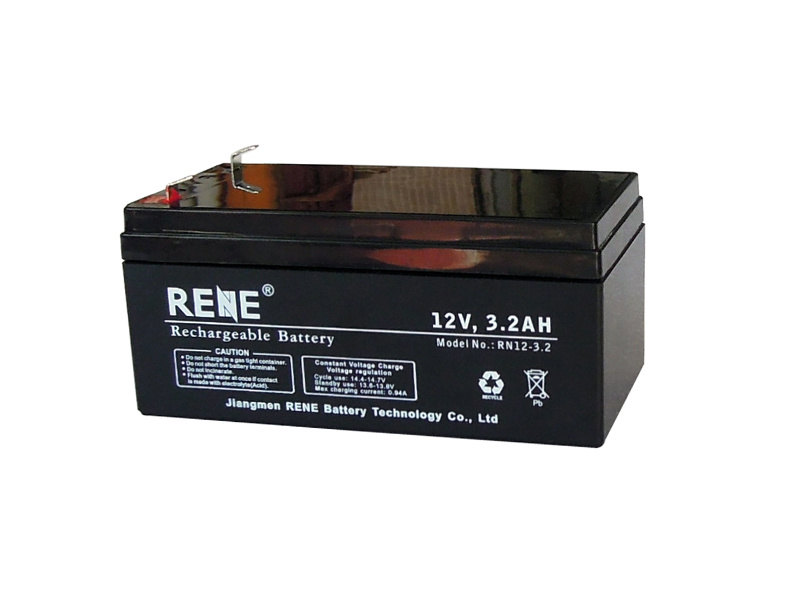
One of the key advantages of lithium ion deep cycle batteries is their high energy density. This means they can store more energy compared to their lead-acid counterparts, allowing for smaller and lighter battery packs without sacrificing performance. Professionals in the electrical engineering sector should consider this aspect when designing systems that require compact and efficient energy solutions.
Another critical factor is the battery's cycle life. Lithium ion deep cycle batteries typically offer a significantly longer cycle life compared to conventional lead-acid batteries, often exceeding 2000 cycles. This longevity translates to reduced replacement costs over time and less environmental impact due to fewer batteries being disposed of. Understanding the cycling characteristics and optimal charging practices is essential for professionals aiming to maximize the lifespan of these batteries.
Moreover, lithium ion deep cycle batteries possess a lower self-discharge rate, which is a crucial advantage in applications where energy conservation is critical. This feature allows these batteries to maintain their charge for extended periods, making them ideal for backup power systems and remote installations. Electrical engineers should prioritize integrating these batteries into designs that require long-term reliability.
When it comes to safety, lithium ion deep cycle batteries incorporate advanced battery management systems (BMS) that monitor and regulate charge and discharge processes. This oversight helps prevent overheating and overcharging, significantly reducing the risk of thermal runaway. Professionals should be familiar with these safety features and understand how to implement them effectively in their projects.
Lastly, as the market for lithium ion deep cycle batteries continues to grow, staying informed about the latest technological advancements and industry standards is crucial for professionals. Engaging with ongoing research, attending workshops, and networking with other experts in the field can provide valuable insights into emerging trends and best practices.
In summary, lithium ion deep cycle batteries represent a transformative technology in the electrical engineering sector. By understanding their unique characteristics, applications, and safety considerations, professionals can leverage these batteries to develop innovative and sustainable energy solutions.
Key words:
Previous Page:


Sales Team
The company adheres to the working principles of integrity, standardization and efficiency, and wholeheartedly provides high-quality, efficient and fast services to our customers.


SALES:Jack Lee
Wechat: Jack13923713448
Facebook: Jack Lee


SALES:Jason Yu
Wechat: +86-13416655615

Rene battery, excellent performance, drive the future!
Contact Us
Address:Block 2, No.9, Yexing 1st Road, Huicheng, Xinhui District, Jiangmen City, Guangdong ,China

Subscribe to get offers and updates!
Social Media


