Jiangmen Rene Battery Technology Co., Ltd.

Understanding Lithium-Ion Deep Cycle Batteries: Technology, Applications, and Advantages
2026-01-07
Lithium-ion deep cycle batteries have become a cornerstone in various applications due to their unique properties and advantages over traditional lead-acid batteries. Unlike standard batteries that are designed for short bursts of power, deep cycle batteries are engineered to provide a steady amount of power over an extended period, making them ideal for applications requiring sustained energy. On
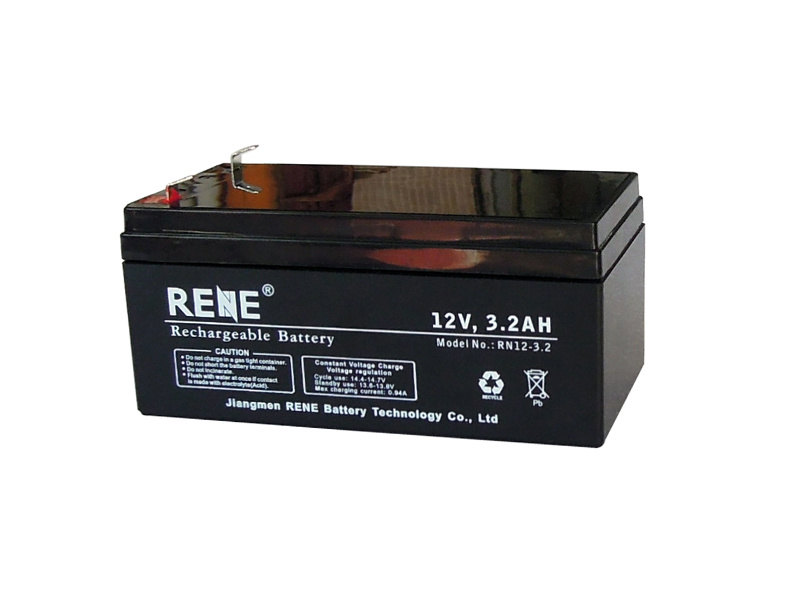
One of the distinguishing features of lithium-ion deep cycle batteries is their ability to discharge to a much lower state of charge without damaging the cells. In practical terms, this means that users can utilize up to 80-90% of the battery's capacity without experiencing significant degradation. This contrasts sharply with lead-acid batteries, which typically should not be discharged below 50% to ensure longevity.
The technology behind lithium-ion batteries involves a complex electrochemical process where lithium ions move between the anode and cathode during charging and discharging cycles. This process not only allows for higher energy density but also contributes to the battery's lighter weight and compact size, making it suitable for applications in electric vehicles, renewable energy systems, and portable electronics.
When it comes to charging, lithium-ion deep cycle batteries can typically be charged faster than their lead-acid counterparts. This rapid recharge capability is particularly advantageous in scenarios where downtime needs to be minimized, such as in solar energy systems where batteries need to be replenished quickly after extended use.
Another critical advantage of lithium-ion deep cycle batteries is their longer lifespan. With proper care, these batteries can last up to 10 years or more, compared to lead-acid batteries, which generally last around 3-5 years. This longevity not only reduces the frequency of replacements but also lowers the overall cost of ownership in the long run.
Moreover, lithium-ion batteries are more environmentally friendly than traditional lead-acid batteries. They contain no toxic heavy metals and are more efficient in terms of energy conversion. As the demand for sustainable energy solutions grows, lithium-ion deep cycle batteries play a significant role in reducing carbon footprints and promoting cleaner energy usage.
In conclusion, lithium-ion deep cycle batteries represent a significant advancement in battery technology. Their unique combination of deep discharge capabilities, rapid charging, longevity, and environmental benefits make them an ideal choice for various applications in the electrical and electronics industry. By understanding their principles and advantages, professionals can make informed decisions when selecting battery solutions for their specific needs.
Key words:
Previous Page:


Sales Team
The company adheres to the working principles of integrity, standardization and efficiency, and wholeheartedly provides high-quality, efficient and fast services to our customers.


SALES:Jack Lee
Wechat: Jack13923713448
Facebook: Jack Lee


SALES:Jason Yu
Wechat: +86-13416655615

Rene battery, excellent performance, drive the future!
Contact Us
Address:Block 2, No.9, Yexing 1st Road, Huicheng, Xinhui District, Jiangmen City, Guangdong ,China

Subscribe to get offers and updates!
Social Media


