Jiangmen Rene Battery Technology Co., Ltd.

The Myths and Realities of Lead Acid Batteries in Solar Energy
2026-01-22
The Myths and Realities of Lead Acid Batteries in Solar Energy Introduction: Understanding Lead Acid Batteries in Solar Systems In the realm of renewable energy, solar power has gained significant traction, and with it, the use of lead acid batteries for energy storage. As we transition to greener alternatives, it's crucial to separate fact from fiction regarding lead acid batteries and their role
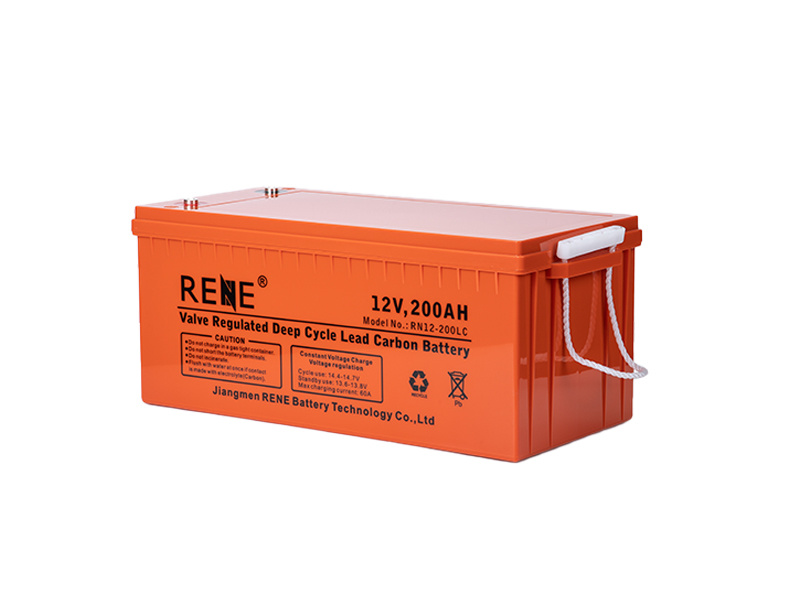
The Myths and Realities of Lead Acid Batteries in Solar Energy
Introduction: Understanding Lead Acid Batteries in Solar Systems
In the realm of renewable energy, solar power has gained significant traction, and with it, the use of lead acid batteries for energy storage. As we transition to greener alternatives, it's crucial to separate fact from fiction regarding lead acid batteries and their role in solar energy systems. This article delves into common myths and realities surrounding lead acid batteries, helping readers make informed decisions about their solar energy storage options.
Table of Contents
- Myth 1: Lead Acid Batteries Are Obsolete
- Myth 2: Lead Acid Batteries Are Inefficient
- Myth 3: Lead Acid Batteries Have a Short Lifespan
- Myth 4: Solar Energy Systems Cannot Use Lead Acid Batteries
- Myth 5: Lead Acid Batteries Are Dangerous
- Reality 1: Lead Acid Batteries Have Unique Advantages
- Reality 2: Understanding Battery Maintenance
- Reality 3: Cost-Effectiveness of Lead Acid Batteries
- Conclusion
- Frequently Asked Questions
Myth 1: Lead Acid Batteries Are Obsolete
There’s a prevalent belief that lead acid batteries are outdated and have been replaced by newer technologies like lithium-ion batteries. While lithium-ion batteries have indeed surged in popularity due to their compact size and efficiency, lead acid batteries remain relevant and widely used in various applications, particularly in solar energy systems. Their durability, reliability, and lower cost make them a viable option, especially for off-grid power solutions.
Myth 2: Lead Acid Batteries Are Inefficient
Another misconception is that lead acid batteries are inefficient compared to their lithium-ion counterparts. However, this isn’t entirely accurate. While lead acid batteries may have a lower energy density, they still offer reasonable efficiency levels ranging from 70% to 85%. They are particularly effective in applications with moderate depth of discharge (DoD) requirements, making them suitable for many solar energy applications.
Myth 3: Lead Acid Batteries Have a Short Lifespan
Many people assume that lead acid batteries have a shorter lifespan compared to other battery technologies. The reality is that the lifespan of lead acid batteries can vary significantly based on usage, maintenance, and charging practices. With proper care, these batteries can last between 3 to 10 years. Regular maintenance, including monitoring the electrolyte levels and ensuring proper charging, can extend their lifespan considerably.
Myth 4: Solar Energy Systems Cannot Use Lead Acid Batteries
It is a common myth that solar energy systems are incompatible with lead acid batteries. In reality, many solar installations utilize lead acid batteries as their primary storage solution. They can effectively store energy generated by solar panels, allowing for energy use during times when sunlight is not available. The compatibility of lead acid batteries with solar systems makes them a practical choice for both residential and commercial applications.
Myth 5: Lead Acid Batteries Are Dangerous
Concerns about safety often arise with lead acid batteries, primarily due to the presence of sulfuric acid and lead. However, when handled and maintained correctly, lead acid batteries can be safe for use. It is essential to follow safety guidelines, such as proper installation, ventilation, and periodic maintenance. Moreover, advancements in manufacturing and technology have improved the safety features of these batteries.
Reality 1: Lead Acid Batteries Have Unique Advantages
Lead acid batteries possess several unique advantages that contribute to their continued use in solar energy systems. They are known for their robustness, ability to withstand extreme temperatures, and resilience to deep discharges. Additionally, they are relatively inexpensive compared to other battery technologies, making them a cost-effective option for many users.
Reality 2: Understanding Battery Maintenance
Maintenance is a crucial factor in maximizing the performance and lifespan of lead acid batteries. Regular checks of electrolyte levels, keeping terminals clean, and ensuring proper charging practices can greatly enhance battery longevity. Users should be aware of the importance of maintaining the battery in a controlled environment to prevent damage and ensure optimal performance.
Reality 3: Cost-Effectiveness of Lead Acid Batteries
When evaluating the cost-effectiveness of energy storage solutions, lead acid batteries often come out on top. Their initial investment is lower compared to alternatives like lithium-ion batteries, and they can provide reliable energy storage for many years with appropriate maintenance. This cost-effectiveness makes lead acid batteries an attractive option for homeowners and businesses seeking to install solar energy solutions without breaking the bank.
Conclusion
In the ever-evolving landscape of renewable energy, lead acid batteries continue to hold their ground as a viable option for solar energy storage. By debunking common myths and shedding light on the realities, we can appreciate their unique advantages and practicality. Understanding the maintenance requirements and safety measures associated with lead acid batteries can help users make informed decisions. As solar energy systems become increasingly popular, lead acid batteries remain an essential component, offering a cost-effective and reliable energy storage solution.
Frequently Asked Questions
1. How long do lead acid batteries typically last in solar applications?
Lead acid batteries can last between 3 to 10 years in solar applications, depending on usage and maintenance practices.
2. Are lead acid batteries suitable for deep-cycle applications?
Yes, lead acid batteries are commonly used in deep-cycle applications, particularly in off-grid solar installations where deep discharges are frequent.
3. How do I maintain my lead acid batteries for optimal performance?
Regularly check electrolyte levels, keep terminals clean, and follow proper charging practices to maintain optimal performance of lead acid batteries.
4. Can lead acid batteries be recycled?
Yes, lead acid batteries are highly recyclable. Most components, including lead and sulfuric acid, can be recovered and reused.
5. What happens if I over-discharge my lead acid battery?
Over-discharging can damage lead acid batteries, leading to a reduced lifespan and potentially causing them to fail. It's essential to monitor the discharge levels.
By understanding the myths and realities surrounding lead acid batteries, we can make informed decisions that align with our energy needs and environmental goals.
Key words:
Sales Team
The company adheres to the working principles of integrity, standardization and efficiency, and wholeheartedly provides high-quality, efficient and fast services to our customers.


SALES:Jack Lee
Wechat: Jack13923713448
Facebook: Jack Lee


SALES:Jason Yu
Wechat: +86-13416655615

Rene battery, excellent performance, drive the future!
Contact Us
Address:Block 2, No.9, Yexing 1st Road, Huicheng, Xinhui District, Jiangmen City, Guangdong ,China

Subscribe to get offers and updates!
Social Media


