Jiangmen Rene Battery Technology Co., Ltd.

Understanding Lithium Ion Deep Cycle Batteries: Insights for Modern Energy Solutions
2026-03-08
Lithium ion deep cycle batteries are increasingly becoming the go-to power storage solution for various applications, thanks to their efficiency, longevity, and performance. These batteries are specifically designed to provide sustained power over extended periods, making them ideal for applications that require long-term energy supply, such as solar energy systems, electric vehicles, and backup p
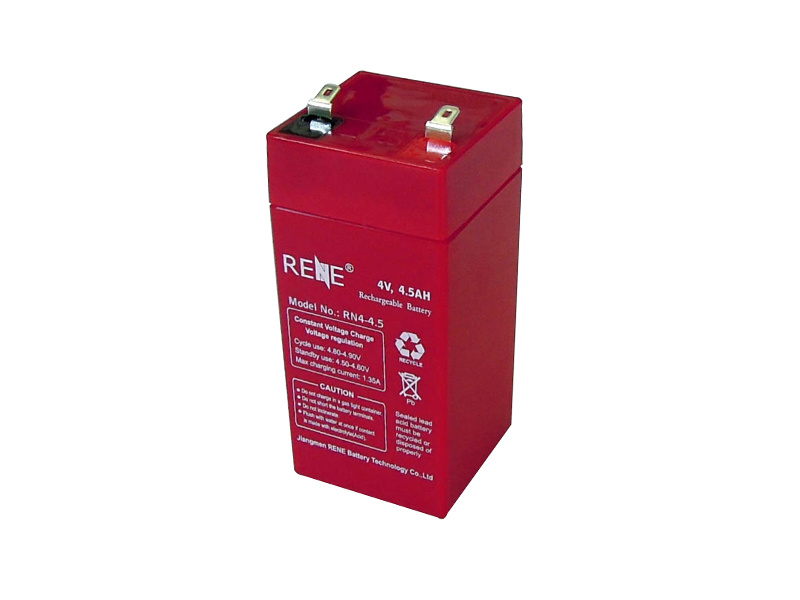
One of the most notable features of lithium ion deep cycle batteries is their ability to be discharged and recharged multiple times without significant degradation in performance. Unlike traditional lead-acid batteries, which can lose capacity after only a few deep discharges, lithium ion batteries are capable of enduring numerous cycles while maintaining their power density. This characteristic is particularly advantageous for users who rely on frequent cycling of their energy systems.
Additionally, lithium ion batteries exhibit a higher energy density compared to their lead-acid counterparts. This means that they can store more energy relative to their size and weight, allowing for more compact and lightweight energy systems. This feature is especially crucial for applications in electric vehicles and portable electronic devices where space and weight are critical considerations.
Furthermore, lithium ion deep cycle batteries have a lower self-discharge rate, which means they can retain their charge for longer periods when not in use. This property is beneficial for users who may not use their energy storage systems frequently, providing peace of mind that their battery will maintain its charge until needed.
The safety of lithium ion batteries has also improved significantly with advances in technology. Modern lithium ion deep cycle batteries are equipped with various safety features, including thermal protection, overcharge protection, and cell balancing systems, which help prevent overheating and ensure safe operation.
When considering lithium ion deep cycle batteries for your projects, it's essential to assess your specific energy needs, including capacity, discharge rates, and environmental conditions. Proper management and maintenance can optimize the performance and lifespan of these batteries, allowing you to maximize your investment.
In conclusion, lithium ion deep cycle batteries offer a range of benefits that make them suitable for various applications in the electrical engineering sector. Their efficiency, longevity, and advanced safety features position them as a reliable power storage solution for both residential and commercial energy needs. Understanding these batteries enables professionals to make informed decisions and harness the full potential of modern energy solutions.
Key words:
Sales Team
The company adheres to the working principles of integrity, standardization and efficiency, and wholeheartedly provides high-quality, efficient and fast services to our customers.


SALES:Jack Lee
Wechat: Jack13923713448
Facebook: Jack Lee


SALES:Jason Yu
Wechat: +86-13416655615

Rene battery, excellent performance, drive the future!
Contact Us
Address:Block 2, No.9, Yexing 1st Road, Huicheng, Xinhui District, Jiangmen City, Guangdong ,China

Subscribe to get offers and updates!
Social Media


