Jiangmen Rene Battery Technology Co., Ltd.

Understanding AC DC Inverter Batteries: Powering Your Solar Energy Needs
2026-03-26
In the realm of solar energy systems, understanding the components that contribute to efficient power management is crucial. One of the vital elements in this setup is the AC DC inverter battery. These batteries serve as a bridge between the solar panels that harvest energy and the electrical devices that consume it. Let's delve deeper into what AC DC inverter batteries are, their functions, and t
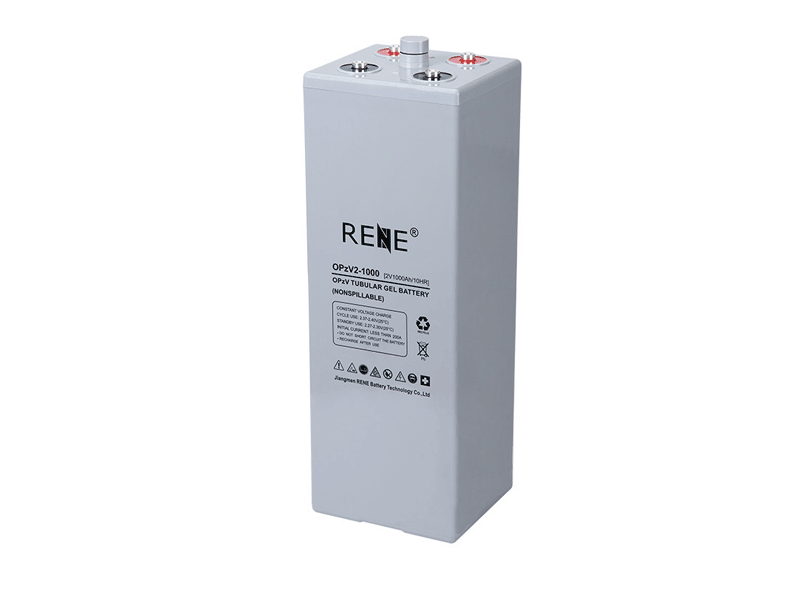
AC DC inverter batteries are specialized batteries designed to work with both alternating current (AC) and direct current (DC) systems. In solar energy setups, solar panels generate DC electricity, which is then converted into AC electricity by an inverter for use in homes and businesses. The AC DC inverter battery plays a critical role in this process by storing excess energy generated by the solar panels for later use. This storage capability ensures that even when the sun isn't shining—such as during the night or cloudy days—users can still access power.
One of the primary benefits of utilizing AC DC inverter batteries is energy efficiency. By storing excess energy produced during peak sunlight hours, these batteries help reduce reliance on the grid, which can lead to significant savings on electricity bills. Additionally, they enable users to maximize the use of their solar energy systems, leading to a more sustainable lifestyle.
Another advantage of AC DC inverter batteries is their ability to provide backup power during outages. In regions prone to power interruptions, having a reliable battery system can be a lifesaver, ensuring that essential devices continue to operate. This feature is particularly valuable for sensitive equipment or in circumstances where continuous power is vital, such as in medical facilities or data centers.
When selecting an AC DC inverter battery, several factors should be considered, including capacity, discharge rates, and cycle life. Capacity refers to the amount of energy the battery can store, while discharge rates determine how quickly the stored energy can be released. Cycle life indicates how many times a battery can be charged and discharged before its performance diminishes. Understanding these specifications can help users make informed decisions based on their energy needs.
In conclusion, AC DC inverter batteries are essential components of solar energy systems, providing storage, efficiency, and backup power capabilities. As the demand for renewable energy grows, understanding how these batteries function and their benefits can empower consumers to harness solar energy effectively. By optimizing the use of AC DC inverter batteries, individuals and businesses can contribute to a greener future while enjoying the convenience of reliable power.
Key words:
Previous Page:
Sales Team
The company adheres to the working principles of integrity, standardization and efficiency, and wholeheartedly provides high-quality, efficient and fast services to our customers.


SALES:Jack Lee
Wechat: Jack13923713448
Facebook: Jack Lee


SALES:Jason Yu
Wechat: +86-13416655615

Rene battery, excellent performance, drive the future!
Contact Us
Address:Block 2, No.9, Yexing 1st Road, Huicheng, Xinhui District, Jiangmen City, Guangdong ,China

Subscribe to get offers and updates!
Social Media


