Jiangmen Rene Battery Technology Co., Ltd.

Understanding Maintenance-Free Lead Acid Batteries for Solar Energy: A Comprehensive Guide
2026-05-22
Understanding Maintenance-Free Lead Acid Batteries for Solar Energy Table of Contents What Are Maintenance-Free Lead Acid Batteries? How Do Maintenance-Free Lead Acid Batteries Work? Advantages of Maintenance-Free Lead Acid Batteries Applications in Solar Energy Systems Installation Best Practices Maintenance and Care for Optimal Performance Common Misconceptions About

Understanding Maintenance-Free Lead Acid Batteries for Solar Energy
Table of Contents
- What Are Maintenance-Free Lead Acid Batteries?
- How Do Maintenance-Free Lead Acid Batteries Work?
- Advantages of Maintenance-Free Lead Acid Batteries
- Applications in Solar Energy Systems
- Installation Best Practices
- Maintenance and Care for Optimal Performance
- Common Misconceptions About Maintenance-Free Lead Acid Batteries
- Frequently Asked Questions
- Conclusion
What Are Maintenance-Free Lead Acid Batteries?
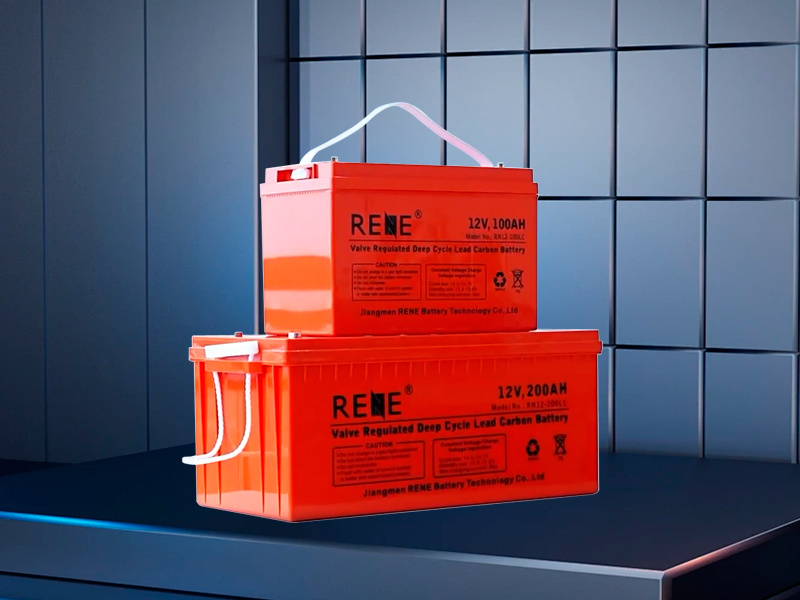
Maintenance-free lead acid batteries are specialized electrochemical cells designed to offer high reliability and efficiency without the need for regular maintenance. Unlike traditional lead acid batteries, which require periodic water topping and monitoring of electrolyte levels, these batteries are sealed and engineered to minimize gas emissions. This makes them particularly suited for a range of applications, especially in solar energy systems where minimal intervention is critical.
The term "maintenance-free" can be somewhat misleading, as it implies that the batteries require no attention whatsoever. However, it is essential to understand that while they require less maintenance than their conventional counterparts, they still benefit from periodic checks and proper usage to ensure longevity and peak performance.
How Do Maintenance-Free Lead Acid Batteries Work?
The basic operational principle of maintenance-free lead acid batteries aligns with that of traditional lead acid batteries, utilizing lead dioxide (PbO2) as the positive plate and sponge lead (Pb) as the negative plate. The electrolyte, composed of sulfuric acid (H2SO4), facilitates the electrochemical reactions that store and release energy.
One of the defining features of maintenance-free lead acid batteries is their design. They incorporate advanced technologies, such as absorbed glass mat (AGM) or gel electrolyte, which effectively immobilizes the electrolyte and reduces the risk of spillage. This sealed design allows gases generated during charging—such as hydrogen and oxygen—to recombine within the battery, further minimizing water loss and making it almost maintenance-free.
Advantages of Maintenance-Free Lead Acid Batteries
Maintenance-free lead acid batteries present numerous advantages, particularly in solar energy applications:
1. Reduced Maintenance Requirements
The absence of water topping and electrolyte level monitoring significantly reduces the maintenance workload. This is particularly beneficial for installations in remote locations where access may be challenging.
2. Improved Safety
Sealed designs decrease the risk of acid spills and minimize the hazards associated with hydrogen gas emissions. This enhances safety for both users and the environment.
3. Enhanced Longevity
With proper care, maintenance-free lead acid batteries can last longer than traditional batteries. Their sealed nature protects them from contaminants, extending their usable lifespan.
4. Versatile Applications
These batteries are suitable for various applications, from residential solar energy systems to backup power solutions for commercial establishments.
5. Cost-Effectiveness
Despite higher initial costs compared to traditional lead acid batteries, the long-term savings from reduced maintenance and replacement costs can make them a more economical choice in the long run.
Applications in Solar Energy Systems
Maintenance-free lead acid batteries are widely used in solar energy systems due to their reliability and efficiency. Here are several key applications:
1. Off-Grid Solar Systems
In off-grid settings, where electricity supply is limited, maintenance-free lead acid batteries provide a dependable energy storage solution, ensuring a continuous power supply even during low sunlight periods.
2. Grid-Tied Solar Systems with Backup
For grid-tied systems, these batteries serve as backup power sources during outages, providing peace of mind and stability in energy supply.
3. Solar-Powered Devices
From garden lights to remote sensors, maintenance-free lead acid batteries can power a wide range of solar-powered devices, making them indispensable in renewable energy solutions.
4. Telecommunications
Telecom infrastructure, particularly in remote areas, benefits from maintenance-free lead acid batteries, ensuring uninterrupted power to communication systems.
Installation Best Practices
Proper installation is crucial for maximizing the performance of maintenance-free lead acid batteries. Here are several best practices to keep in mind:
1. Location Selection
Choose a well-ventilated, temperature-controlled environment for battery installation. Extreme temperatures can adversely affect battery performance and longevity.
2. Proper Mounting
Ensure batteries are securely mounted to prevent movement, which can lead to internal damage. Consider using battery racks or shelves designed to hold the weight of the batteries safely.
3. Wiring and Connections
Use appropriately sized cables for connections to minimize voltage drop. Ensure all connections are clean and secure to prevent arcing or overheating.
4. Regular Monitoring
While maintenance-free, it is still advisable to monitor battery performance regularly. Check for any signs of swelling, leakage, or unusual heat generation.
Maintenance and Care for Optimal Performance
To maximize the longevity and efficiency of maintenance-free lead acid batteries, adhere to the following care guidelines:
1. Regular Inspections
Conduct periodic visual inspections to check for any signs of damage, leaks, or corrosion on terminals.
2. Keep Clean
Ensure the battery terminals and surrounding area are clean and free from dust and debris. This helps maintain good conductivity and prevents overheating.
3. Charge Regularly
Keep the batteries charged to prevent deep discharges, which can shorten lifespan. Utilize a smart charge controller for optimal performance.
4. Temperature Control
Monitor and maintain the operating temperature within the manufacturer's recommended range to avoid thermal damage.
Common Misconceptions About Maintenance-Free Lead Acid Batteries
As with any technology, several misconceptions surround maintenance-free lead acid batteries:
1. No Maintenance Required
While they require less maintenance than traditional batteries, users should still perform periodic checks to ensure optimal performance.
2. Limited Lifespan
Many believe that maintenance-free batteries have a shorter lifespan compared to traditional batteries. In reality, with proper care, they often outperform conventional options.
3. Incompatibility with Solar Systems
Some may think maintenance-free lead acid batteries aren't suitable for solar energy systems. However, their reliability and efficiency make them an excellent choice in this field.
Frequently Asked Questions
1. How do I know if my maintenance-free lead acid battery is failing?
Signs of failure can include swelling, unusual heat generation, leakage, or a significant drop in performance. Regular inspections can help identify these issues early.
2. Can I install maintenance-free lead acid batteries outdoors?
While it is possible, ensure they are protected from extreme weather conditions and direct sunlight. Ideally, install them in a climate-controlled environment.
3. What is the average lifespan of maintenance-free lead acid batteries?
With proper care, these batteries can last from 5 to 10 years, depending on usage and environmental conditions.
4. Are maintenance-free lead acid batteries better than lithium-ion batteries?
Both types have their advantages. Maintenance-free lead acid batteries are more affordable upfront while lithium-ion batteries typically offer longer lifespan and lighter weight.
5. How can I extend the life of my maintenance-free lead acid battery?
Follow best practices for installation and care, including keeping them charged, performing regular inspections, and maintaining temperature control.
Conclusion
Maintenance-free lead acid batteries represent a significant advancement in battery technology, particularly for solar energy applications. Their reduced maintenance requirements, enhanced safety, and cost-effectiveness make them an appealing choice for both residential and commercial installations. By understanding their functionalities, applications, and care guidelines, users can ensure optimal performance and longevity. As renewable energy continues to evolve, these batteries will undoubtedly play a vital role in the efficiency and reliability of solar energy systems.
Key words:

Sales Team
The company adheres to the working principles of integrity, standardization and efficiency, and wholeheartedly provides high-quality, efficient and fast services to our customers.


SALES:Jack Lee
Wechat: Jack13923713448
Facebook: Jack Lee


SALES:Jason Yu
Wechat: +86-13416655615

Rene battery, excellent performance, drive the future!
Contact Us
Address:Block 2, No.9, Yexing 1st Road, Huicheng, Xinhui District, Jiangmen City, Guangdong ,China

Subscribe to get offers and updates!
Social Media


