Jiangmen Rene Battery Technology Co., Ltd.

Understanding Lead Acid Deep Cycle Batteries: A Comprehensive Guide
2026-07-20
Lead acid deep cycle batteries are a type of rechargeable battery specifically designed to provide a steady amount of current over an extended period. Unlike their starter battery counterparts, which are engineered for short bursts of power, deep cycle batteries can be discharged and recharged multiple times without significant damage. This attribute makes them ideal for applications where sustain
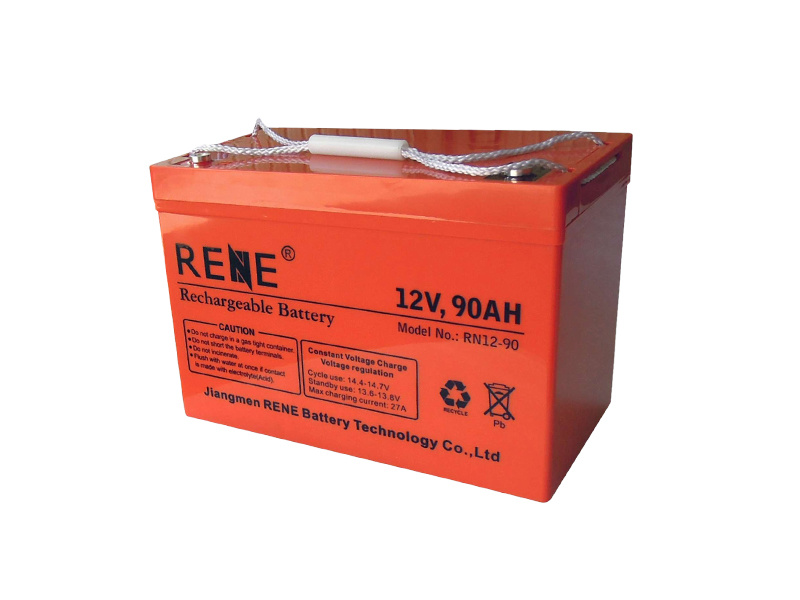
One of the key characteristics of lead acid deep cycle batteries is their ability to endure deeper discharges compared to regular lead acid batteries. Typically, these batteries can be discharged down to 20% of their capacity or even lower, depending on the design and quality. This means that users can utilize more of the energy stored in the battery without compromising its lifespan.
There are two main types of lead acid deep cycle batteries: flooded and sealed (also known as AGM or gel batteries). Flooded batteries require regular maintenance, including checking water levels and ensuring proper ventilation, as they can emit gases during charging. On the other hand, sealed batteries are maintenance-free and can be installed in various positions without the risk of leakage, making them a popular choice for many users.
The performance of lead acid deep cycle batteries is influenced by several factors, including temperature, charge cycles, and discharge rates. Maintaining an optimal temperature range is crucial for maximizing battery life and performance; excessively high or low temperatures can lead to reduced capacity and lifespan. Furthermore, understanding the charging process is essential. Overcharging can damage the battery, while undercharging can lead to sulfation, where lead sulfate crystals build up and diminish the battery's efficiency.
One significant advantage of lead acid deep cycle batteries is their cost-effectiveness. They are generally less expensive upfront compared to other rechargeable battery technologies, making them accessible for various applications. Additionally, they have a well-established recycling process, contributing to their sustainability in the electrical and energy sectors.
However, it is essential to consider the limitations of lead acid deep cycle batteries as well. They are heavier and less energy-dense than lithium-ion batteries, which means they may not be suitable for all applications. Users should assess their specific requirements and consider the balance between performance, weight, and cost when selecting a battery for their systems.
In summary, lead acid deep cycle batteries play a crucial role in the electrical and solar energy industries. Their ability to provide reliable, sustained energy makes them a popular choice for various applications. By understanding their characteristics, advantages, and limitations, users can make informed decisions that enhance their energy storage solutions.
Key words:
Previous Page:
Sales Team
The company adheres to the working principles of integrity, standardization and efficiency, and wholeheartedly provides high-quality, efficient and fast services to our customers.


SALES:Jack Lee
Wechat: Jack13923713448
Facebook: Jack Lee


SALES:Jason Yu
Wechat: +86-13416655615

Rene battery, excellent performance, drive the future!
Contact Us
Address:Block 2, No.9, Yexing 1st Road, Huicheng, Xinhui District, Jiangmen City, Guangdong ,China

Subscribe to get offers and updates!
Social Media


