Jiangmen Rene Battery Technology Co., Ltd.

Understanding the Charging Process of 12V Lithium Ion Batteries: A Comprehensive Guide
2026-08-16
Understanding the Charging Process of 12V Lithium Ion Batteries Table of Contents 1. Introduction to Lithium Ion Batteries 2. What is a Lithium Ion Battery? 3. Charging Principles of Lithium Ion Batteries 3.1 Constant Current Phase 3.2 Constant Voltage Phase 4. Common Charging Methods for 12V Lithium Ion Batteries 4.1 Standard Charging 4.2 Fast Ch
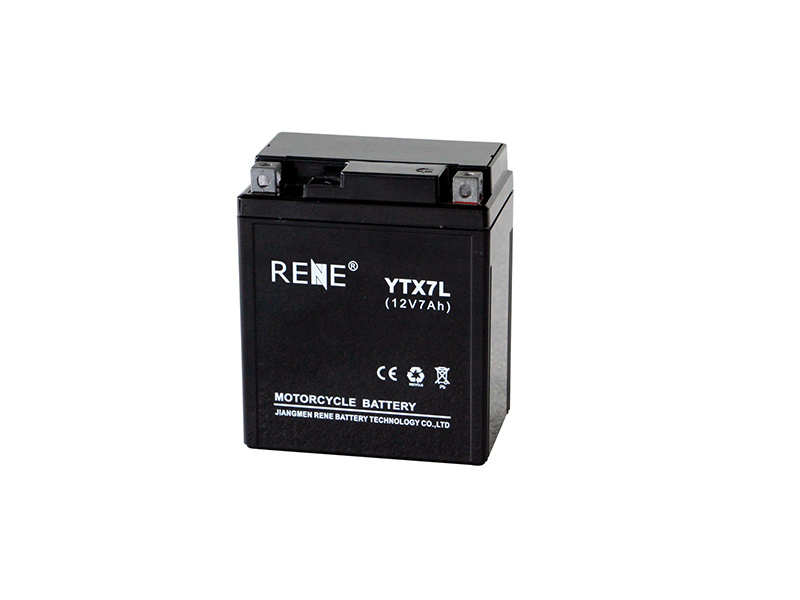
Understanding the Charging Process of 12V Lithium Ion Batteries
Table of Contents
- 1. Introduction to Lithium Ion Batteries
- 2. What is a Lithium Ion Battery?
- 3. Charging Principles of Lithium Ion Batteries
- 4. Common Charging Methods for 12V Lithium Ion Batteries
- 5. Safety Precautions When Charging
- 6. The Role of Battery Management Systems
- 7. Troubleshooting Charging Issues
- 8. Conclusion
- 9. Frequently Asked Questions
1. Introduction to Lithium Ion Batteries
Lithium-ion batteries have become a cornerstone in modern energy storage solutions, particularly in portable electronics and electric vehicles. **These batteries offer numerous advantages**, including high energy density, lightweight design, and a low self-discharge rate, making them the preferred choice in various applications.
Understanding how to efficiently charge these batteries is crucial for maintaining their longevity and performance. In this guide, we will explore the various aspects of charging 12V lithium-ion batteries, detailing the processes, methods, and safety precautions necessary for optimal use.
2. What is a Lithium Ion Battery?
A **lithium-ion battery** is a type of rechargeable battery that utilizes lithium ions as the primary charge carriers. Unlike traditional batteries, which rely on chemical reactions involving lead or nickel, lithium-ion batteries operate on the principle of intercalation, where lithium ions move between the anode and cathode during charging and discharging.
These batteries are composed of several key components:
- **Anode**: Typically made of graphite, the anode allows lithium ions to embed themselves during charging.
- **Cathode**: Commonly made from lithium metal oxide, the cathode releases lithium ions during discharge.
- **Electrolyte**: This conductive medium allows the flow of lithium ions between the anode and cathode.
- **Separator**: A porous membrane that prevents contact between the anode and cathode, ensuring safety and efficiency.
3. Charging Principles of Lithium Ion Batteries
To understand the charging process of 12V lithium-ion batteries, it is essential to grasp the fundamental principles that govern this process. The charging typically occurs in two distinct phases:
3.1 Constant Current Phase
During the **constant current phase**, the charger supplies a steady current to the battery until it reaches a predetermined voltage level, usually around 4.2V per cell. This phase is critical for safely filling the battery’s capacity without overheating or damaging the cells.
The charging current can vary based on the battery capacity and the charger specifications, but it's essential to adhere to the recommended current levels to avoid compromising battery life.
3.2 Constant Voltage Phase
Once the battery reaches the maximum voltage, the charger transitions to the **constant voltage phase**. In this phase, the charger maintains a fixed voltage while the current gradually decreases as the battery approaches full charge. This phase is crucial for ensuring that the battery does not overcharge, which can lead to overheating and potential failure.
The combination of these two phases ensures that the battery charges efficiently while maintaining safety standards.
4. Common Charging Methods for 12V Lithium Ion Batteries
There are various methods for charging 12V lithium-ion batteries, each tailored to specific needs and applications. Understanding these methods can help users select the best charging strategy for their devices.
4.1 Standard Charging
**Standard charging** is the most common method used for charging lithium-ion batteries. It employs a slow, steady current, allowing for a full charge over a longer period. This method is ideal for applications where immediate power is not required and helps enhance battery life by reducing stress during the charging process.
4.2 Fast Charging
**Fast charging** technology has gained popularity, particularly in consumer electronics. This method allows for significantly reduced charging times, often completing a charge in as little as one hour. While fast charging is convenient, it is essential to use compatible chargers that adhere to the battery specifications to avoid overheating and potential damage.
4.3 Trickle Charging
**Trickle charging** is a maintenance charging method that keeps the battery at its full capacity without overloading it. This method is particularly useful for batteries that are not used regularly, as it prevents self-discharge and maintains optimal performance.
5. Safety Precautions When Charging
Safety is paramount when charging lithium-ion batteries. Adhering to the following precautions can help mitigate risks:
- **Use the correct charger**: Always utilize chargers specifically designed for lithium-ion batteries to ensure compatibility and safety.
- **Avoid overcharging**: Monitoring the charging process can prevent overcharging, which can lead to battery swelling or even fire.
- **Charge in a safe environment**: Ensure that the charging area is well-ventilated and free from flammable materials.
- **Monitor temperature**: Lithium-ion batteries should be charged at room temperature. Excessive heat can damage the battery and pose safety risks.
6. The Role of Battery Management Systems
Battery Management Systems (BMS) play a crucial role in enhancing the safety and efficiency of lithium-ion battery charging. A BMS monitors the battery’s voltage, current, and temperature, ensuring that the cells operate within safe limits.
Key functions of a BMS include:
- **Balancing the charge**: Ensuring that all cells within a battery pack charge evenly, preventing overcharging of individual cells.
- **Temperature monitoring**: Preventing overheating by disconnecting the battery from the charger if temperatures exceed safe levels.
- **State of charge estimation**: Providing users with accurate information about the battery's remaining capacity.
7. Troubleshooting Charging Issues
Charging issues can arise from various factors, including charger compatibility, battery age, and environmental conditions. Here are some common problems and their solutions:
- **Battery not charging**: Check if the charger is functional and ensure it is compatible with the battery. Inspect connections for damage or dirt.
- **Overheating during charging**: Ensure proper ventilation and avoid charging in extreme temperatures. If overheating persists, consider using a lower charging current.
- **Rapid discharge**: This could indicate a failing battery. Testing the battery with a multimeter can help identify voltage issues.
8. Conclusion
Understanding the charging process of 12V lithium-ion batteries is essential for maximizing their performance and lifespan. By grasping the principles of charging, the various methods available, and the necessary safety precautions, users can ensure efficient and safe operation of their batteries. Moreover, leveraging technology such as Battery Management Systems can significantly enhance safety and efficiency, making it an indispensable component in modern lithium-ion battery applications.
9. Frequently Asked Questions
1. How long does it take to charge a 12V lithium-ion battery?
The charging time varies depending on the charging method used. Standard charging may take several hours, while fast charging can complete the process in as little as one hour.
2. Can I use a regular charger for my lithium-ion battery?
No, it is crucial to use a charger specifically designed for lithium-ion batteries to ensure safety and compatibility.
3. What should I do if my battery is overheating during charging?
Immediately disconnect the charger and allow the battery to cool. Check for any damage to the battery or charger and avoid charging in extreme temperatures.
4. How can I prolong the life of my lithium-ion battery?
Following proper charging practices, avoiding deep discharges, and maintaining a moderate temperature can significantly extend the battery's lifespan.
5. Is it safe to leave my lithium-ion battery on the charger overnight?
While modern chargers often include safety features to prevent overcharging, it is advisable to monitor the charging process and disconnect once the battery is fully charged.
By following these guidelines and understanding the intricacies of charging processes, users can optimize the performance of their 12V lithium-ion batteries for various applications.
Key words:
Sales Team
The company adheres to the working principles of integrity, standardization and efficiency, and wholeheartedly provides high-quality, efficient and fast services to our customers.


SALES:Jack Lee
Wechat: Jack13923713448
Facebook: Jack Lee


SALES:Jason Yu
Wechat: +86-13416655615

Rene battery, excellent performance, drive the future!
Contact Us
Address:Block 2, No.9, Yexing 1st Road, Huicheng, Xinhui District, Jiangmen City, Guangdong ,China

Subscribe to get offers and updates!
Social Media


