Jiangmen Rene Battery Technology Co., Ltd.

Understanding Lithium Ion Deep Cycle Batteries: The Future of Energy Storage
2026-09-06
Lithium ion deep cycle batteries are an advanced type of rechargeable battery designed to provide sustained power over longer periods, making them an ideal choice for a variety of applications. Unlike traditional lead-acid batteries, which can be more limiting in terms of depth of discharge and overall lifespan, lithium ion deep cycle batteries are engineered for performance, efficiency, and longe
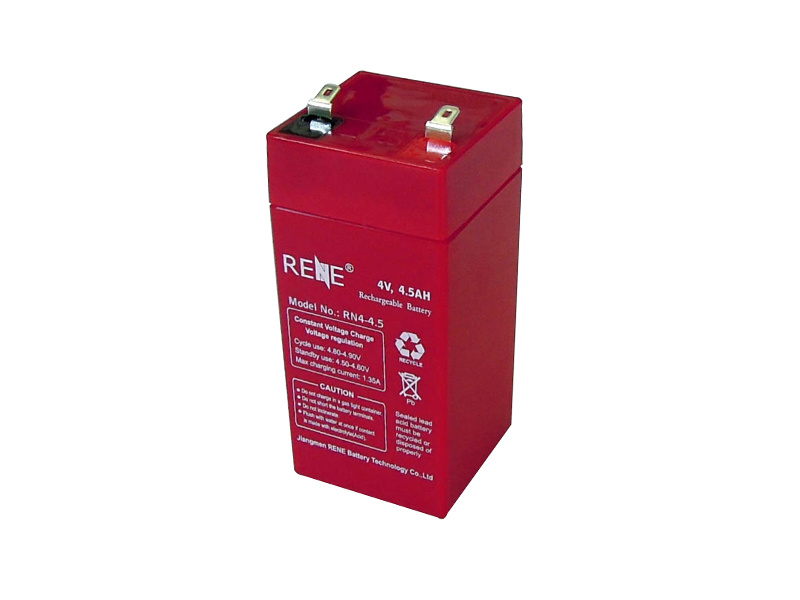
The primary advantage of lithium ion deep cycle batteries lies in their ability to handle numerous charge and discharge cycles without significant degradation. This characteristic makes them suitable for applications where batteries are frequently cycled, such as in renewable energy systems, electric vehicles, and marine applications. Typically, these batteries can last between 5 to 15 years, depending on usage and maintenance, far surpassing the lifespan of conventional lead-acid batteries.
Moreover, lithium ion deep cycle batteries are notably lighter and more compact than their lead-acid counterparts. This weight advantage is particularly beneficial in applications where space and weight are critical factors, such as in RVs, boats, and solar energy storage systems. Their smaller size also provides more flexibility in design and installation, allowing for easier integration into various systems.
Another significant benefit is the higher energy density of lithium ion deep cycle batteries. This means they can store more energy in a smaller volume, which translates to longer run times and less frequent recharging. Additionally, they have a lower self-discharge rate, which ensures that energy is preserved when the battery is not in use. This feature is especially advantageous for off-grid systems where energy availability is intermittent.
Safety is also an important consideration with lithium ion technology. Modern lithium ion deep cycle batteries incorporate advanced battery management systems (BMS) that monitor and regulate battery performance, temperature, and voltage. These systems help prevent overcharging, overheating, and short circuits, significantly enhancing the safety and reliability of the batteries.
In terms of environmental considerations, while lithium ion deep cycle batteries do require the mining of lithium and other metals, their extended lifespan and efficiency can lead to reduced waste and lower carbon footprints over their operational life compared to traditional batteries. Furthermore, many manufacturers are exploring recycling options to reclaim valuable materials from used batteries, contributing to a more sustainable energy ecosystem.
In conclusion, lithium ion deep cycle batteries represent a significant advancement in energy storage technology. Their ability to provide reliable, efficient, and long-lasting power makes them an increasingly popular choice across various industries. As more applications emerge and technology continues to evolve, the role of lithium ion deep cycle batteries in our daily lives is expected to grow, paving the way for a cleaner and more efficient energy future.
Key words:
Previous Page:
Sales Team
The company adheres to the working principles of integrity, standardization and efficiency, and wholeheartedly provides high-quality, efficient and fast services to our customers.


SALES:Jack Lee
Wechat: Jack13923713448
Facebook: Jack Lee


SALES:Jason Yu
Wechat: +86-13416655615

Rene battery, excellent performance, drive the future!
Contact Us
Address:Block 2, No.9, Yexing 1st Road, Huicheng, Xinhui District, Jiangmen City, Guangdong ,China

Subscribe to get offers and updates!
Social Media


