Jiangmen Rene Battery Technology Co., Ltd.

Understanding AC DC Inverter Batteries: A Comprehensive Guide
2026-09-24
In the growing field of renewable energy, AC DC inverter batteries play a pivotal role in ensuring efficient energy storage and management. These batteries are designed to work seamlessly with inverters, which convert direct current (DC) from solar panels into alternating current (AC) for household use. Understanding how these batteries operate and their applications can greatly enhance your appro
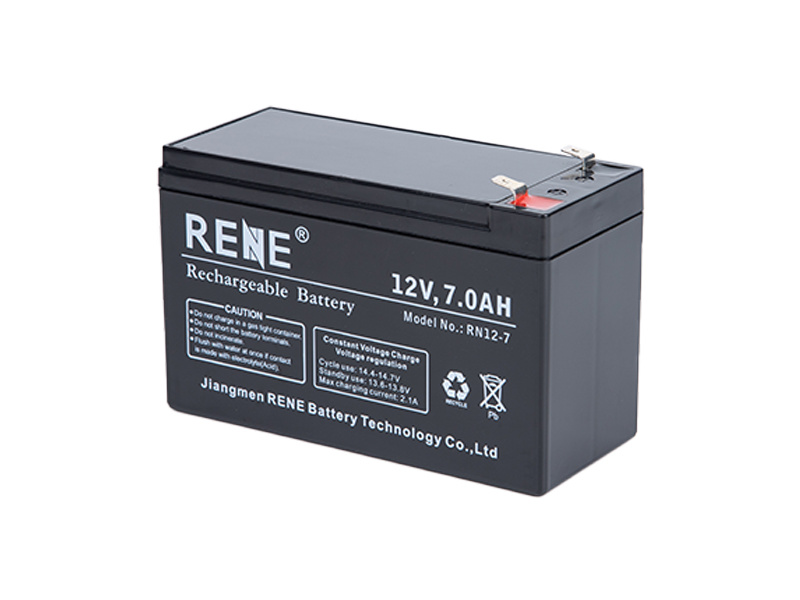
AC DC inverter batteries are typically rechargeable and come in various chemistries, including lithium-ion and lead-acid. Lithium-ion batteries are known for their high energy density, longer lifespan, and lower maintenance requirements compared to traditional lead-acid batteries. However, the latter remains popular due to its cost-effectiveness and robustness. The selection between these battery types often depends on specific energy needs and budget considerations.
One of the primary benefits of using AC DC inverter batteries is their ability to store excess energy generated by solar panels during the day for use at night or during cloudy periods. This capability allows for a continuous power supply, reducing reliance on the grid and thereby lowering electricity bills. Furthermore, these batteries enhance energy resilience by providing backup power during outages, making them a crucial component in off-grid systems.
When considering an AC DC inverter battery for solar applications, it's essential to evaluate their capacity and discharge rates. Battery capacity is usually measured in amp-hours (Ah), indicating how much energy a battery can store and deliver. Higher capacity batteries can store more energy, which is beneficial for larger households or businesses with higher energy demands. Discharge rates, on the other hand, indicate how quickly the battery can provide power. Selecting a battery with appropriate discharge rates ensures that energy is delivered efficiently when needed.
Installation and maintenance are also critical factors. It's advisable to work with professionals who have experience in solar and battery systems to ensure proper setup and integration with existing equipment. Regular maintenance checks can help prolong the lifespan of the battery and optimize performance.
In conclusion, AC DC inverter batteries are integral to modern solar energy systems, enabling efficient energy storage and management. By understanding their operation, applications, and maintenance needs, you can make informed decisions to maximize the benefits of solar energy in your home or business. Embracing these technologies not only contributes to energy savings but also promotes a sustainable future.
Key words:
Previous Page:
Sales Team
The company adheres to the working principles of integrity, standardization and efficiency, and wholeheartedly provides high-quality, efficient and fast services to our customers.


SALES:Jack Lee
Wechat: Jack13923713448
Facebook: Jack Lee


SALES:Jason Yu
Wechat: +86-13416655615

Rene battery, excellent performance, drive the future!
Contact Us
Address:Block 2, No.9, Yexing 1st Road, Huicheng, Xinhui District, Jiangmen City, Guangdong ,China

Subscribe to get offers and updates!
Social Media


