Jiangmen Rene Battery Technology Co., Ltd.

Understanding the Charging Process of SLA Batteries in Solar Energy: A Comprehensive Guide
2026-10-03
Understanding the Charging Process of SLA Batteries in Solar Energy Table of Contents 1. Introduction to SLA Batteries in Solar Energy 2. Importance of Charging SLA Batteries Correctly 3. Mechanism of SLA Battery Charging 4. Types of Charging Methods for SLA Batteries 4.1. Trickle Charging 4.2. Bulk Charging 4.3. Absorption Charging
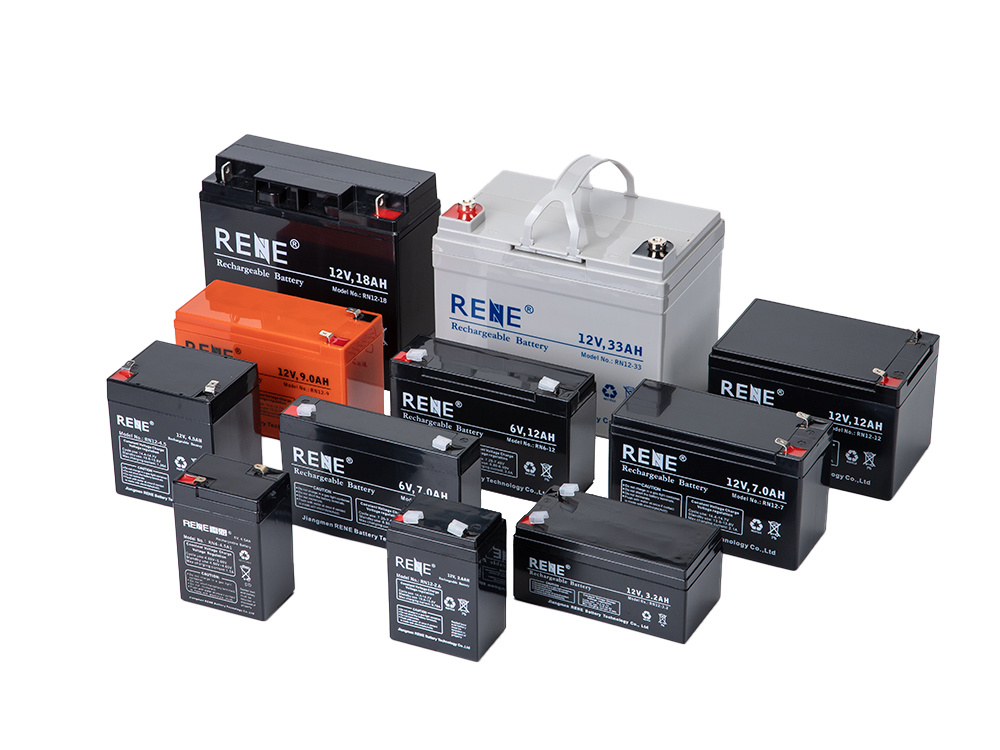
Understanding the Charging Process of SLA Batteries in Solar Energy
Table of Contents
- 1. Introduction to SLA Batteries in Solar Energy
- 2. Importance of Charging SLA Batteries Correctly
- 3. Mechanism of SLA Battery Charging
- 4. Types of Charging Methods for SLA Batteries
- 5. Factors Affecting SLA Battery Charging
- 6. Best Practices for Charging SLA Batteries in Solar Systems
- 7. Common Mistakes When Charging SLA Batteries
- 8. Frequently Asked Questions
- 9. Conclusion
1. Introduction to SLA Batteries in Solar Energy
Sealed Lead Acid (SLA) batteries have become essential components in solar energy systems due to their reliability and performance. These batteries are known for their robustness, long service life, and maintenance-free operation, making them ideal for powering solar applications ranging from residential setups to large-scale solar farms. Understanding how to properly charge SLA batteries is crucial for maximizing their lifespan and efficiency.
2. Importance of Charging SLA Batteries Correctly
Charging SLA batteries correctly is vital for several reasons. Incorrect charging can lead to reduced battery life, inadequate performance, and even safety hazards. Optimal charging not only helps maintain the battery's health but also ensures that your solar energy system operates efficiently.
3. Mechanism of SLA Battery Charging
The charging process of SLA batteries involves electrochemical reactions that convert electrical energy into chemical energy. When the battery is charged, lead sulfate in the battery plates is converted back to lead dioxide (positive plate) and sponge lead (negative plate). This process is reversible; thus, the battery can be discharged and recharged multiple times.
The primary stages of SLA battery charging include:
- **Bulk Charge**: The initial phase where the battery is charged at a constant current until it reaches a specific voltage.
- **Absorption Charge**: The phase where the voltage is held constant while the current gradually decreases.
- **Float Charge**: The final phase where the battery is maintained at a lower voltage to keep it fully charged without overcharging.
Understanding these stages is crucial for anyone operating a solar energy system that utilizes SLA batteries.
4. Types of Charging Methods for SLA Batteries
There are several methods employed to charge SLA batteries effectively. Each method serves different applications and has its advantages and disadvantages.
4.1. Trickle Charging
Trickle charging is a method designed to maintain a battery’s charge level by supplying a low, constant current. This method is particularly useful for keeping SLA batteries topped off during periods of inactivity. However, it’s essential to monitor the battery during this phase to prevent overcharging.
4.2. Bulk Charging
Bulk charging is used to recharge a deeply discharged SLA battery quickly. During this phase, a constant current is applied until the battery voltage reaches a predetermined threshold. This is typically the fastest way to charge an SLA battery, but it requires careful monitoring to avoid overheating.
4.3. Absorption Charging
Once the battery reaches the bulk charging voltage, the absorption phase begins. Here, the voltage is held steady, allowing the battery to absorb the remaining charge efficiently. This method helps in preventing excessive gassing and ensures a complete charge.
4.4. Float Charging
Float charging is a maintenance method used after the battery is fully charged. It applies a lower voltage to keep the battery at a full charge without causing overcharging. This method ensures that the SLA battery remains ready for use while minimizing wear.
5. Factors Affecting SLA Battery Charging
Several factors can influence the charging process of SLA batteries. Key considerations include:
- **Temperature**: SLA batteries are sensitive to temperature fluctuations. Higher temperatures can increase the rate of chemical reactions, potentially leading to overcharging and reduced lifespan. Conversely, lower temperatures can slow down the charging process.
- **Charge Rate**: The rate at which an SLA battery is charged can significantly influence its health. Charging too rapidly can generate excessive heat and cause damage, while charging too slowly may not fully restore the battery's capacity.
- **Battery Age**: Older batteries may not accept charge as efficiently, and their capacity can diminish over time. Regular testing and monitoring can help determine the optimal charging strategy for aging batteries.
6. Best Practices for Charging SLA Batteries in Solar Systems
To ensure the longevity and efficiency of SLA batteries in solar energy systems, we recommend the following best practices:
- **Use a Smart Charger**: A smart charger automatically adjusts the charging current and voltage based on the battery's condition, ensuring optimal charging without overcharging.
- **Monitor Battery Condition**: Regularly check the battery's voltage and specific gravity to assess its health and performance. This can help identify any issues early.
- **Follow Manufacturer Guidelines**: Adhere to the specifications provided by the battery manufacturer regarding charging voltage, current, and methods.
- **Maintain Proper Ventilation**: Ensure that batteries are installed in well-ventilated areas to dissipate heat generated during charging and to prevent damage to the cells.
7. Common Mistakes When Charging SLA Batteries
While charging SLA batteries, several common mistakes can be detrimental to their performance:
1. **Overcharging**: This can lead to excessive heat and gassing, which may cause the battery to fail prematurely.
2. **Undercharging**: Failing to fully charge a battery can lead to sulfation, reducing capacity and lifespan.
3. **Ignoring Temperature Effects**: Not accounting for temperature variations can lead to improper charging conditions.
4. **Using Incompatible Chargers**: Chargers that do not match the battery specifications can cause damage.
Awareness of these mistakes can help users maintain their SLA batteries effectively.
8. Frequently Asked Questions
What is the average lifespan of an SLA battery in solar applications?
The typical lifespan of an SLA battery in solar applications can range from 3 to 5 years, depending on usage, charging practices, and environmental conditions.
Can I use a regular battery charger to charge SLA batteries?
Using a regular battery charger is not recommended. SLA batteries require specific charging algorithms to ensure safe and efficient charging. Always use a charger designed for SLA batteries.
How can I tell if my SLA battery is fully charged?
Checking the voltage and specific gravity (if applicable) with a multimeter or hydrometer can help determine if an SLA battery is fully charged.
What happens if I overcharge an SLA battery?
Overcharging an SLA battery can lead to excessive heat, gassing, and potential leakage. It may also cause irreversible damage to the internal components.
What are the signs that my SLA battery needs replacement?
Signs include reduced runtime, difficulty holding a charge, swelling, or leakage. Regular monitoring can help identify these issues early.
9. Conclusion
Understanding the charging process of SLA batteries is essential for optimizing their performance in solar energy systems. By employing proper charging methods, adhering to best practices, and avoiding common mistakes, users can significantly enhance the lifespan and efficiency of their batteries. As reliance on solar energy continues to grow, mastering the intricacies of SLA battery management will be a critical skill for those looking to maximize their solar investments.
Key words:
Previous Page:
Sales Team
The company adheres to the working principles of integrity, standardization and efficiency, and wholeheartedly provides high-quality, efficient and fast services to our customers.


SALES:Jack Lee
Wechat: Jack13923713448
Facebook: Jack Lee


SALES:Jason Yu
Wechat: +86-13416655615

Rene battery, excellent performance, drive the future!
Contact Us
Address:Block 2, No.9, Yexing 1st Road, Huicheng, Xinhui District, Jiangmen City, Guangdong ,China

Subscribe to get offers and updates!
Social Media


