Jiangmen Rene Battery Technology Co., Ltd.

A Comprehensive Comparison of 12 Volt Lithium Deep Cycle Batteries: The Ultimate Guide for Optimal Power Solutions
2026-11-27
A Comprehensive Comparison of 12 Volt Lithium Deep Cycle Batteries Table of Contents 1. Introduction to 12 Volt Lithium Deep Cycle Batteries 2. What is a Lithium Deep Cycle Battery? 3. Advantages of Lithium Deep Cycle Batteries over Lead-Acid Batteries 4. Key Features to Consider When Choosing a 12 Volt Lithium Deep Cycle Battery 5. Top 12 Volt Lithium Deep Cycle Batteries Com
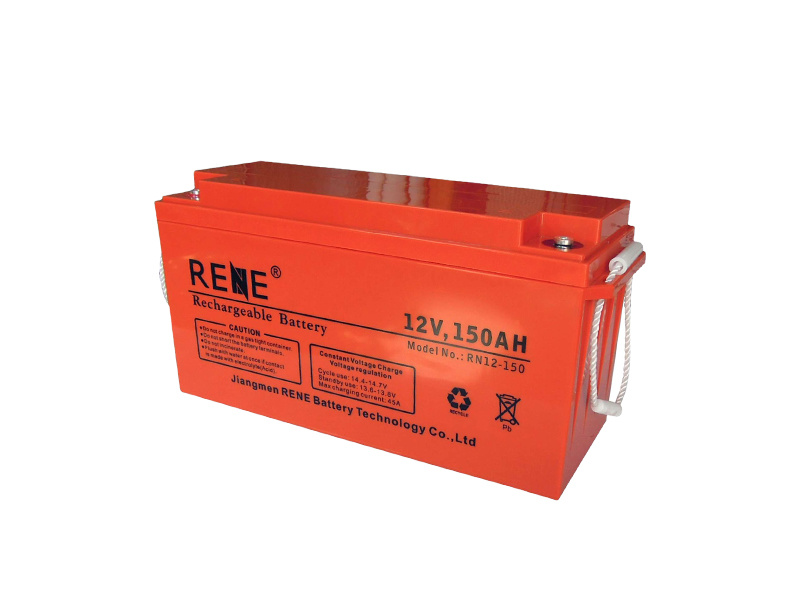
A Comprehensive Comparison of 12 Volt Lithium Deep Cycle Batteries
Table of Contents
- 1. Introduction to 12 Volt Lithium Deep Cycle Batteries
- 2. What is a Lithium Deep Cycle Battery?
- 3. Advantages of Lithium Deep Cycle Batteries over Lead-Acid Batteries
- 4. Key Features to Consider When Choosing a 12 Volt Lithium Deep Cycle Battery
- 5. Top 12 Volt Lithium Deep Cycle Batteries Comparison
- 5.1 Battery 1: Detailed Overview
- 5.2 Battery 2: Detailed Overview
- 5.3 Battery 3: Detailed Overview
- 5.4 Battery 4: Detailed Overview
- 5.5 Battery 5: Detailed Overview
- 6. Charging and Maintenance Tips for Lithium Deep Cycle Batteries
- 7. Common Misconceptions about Lithium Batteries
- 8. Frequently Asked Questions (FAQs)
- 9. Conclusion
1. Introduction to 12 Volt Lithium Deep Cycle Batteries
In the world of batteries, **12 Volt Lithium Deep Cycle Batteries** have carved a niche for themselves, becoming the preferred choice for a variety of applications ranging from RVs and boats to renewable energy systems and off-grid setups. Their popularity can be attributed to their **lightweight design**, **long lifespan**, and **high discharge rates**. This article aims to provide a comprehensive comparison of various models available in the market, helping you make an informed decision tailored to your specific needs.
2. What is a Lithium Deep Cycle Battery?
A **Lithium Deep Cycle Battery** is a rechargeable battery that is designed to deliver a steady amount of power over an extended period. Unlike traditional lead-acid batteries, which provide a short burst of power, lithium batteries excel in applications requiring sustained energy output. They are specifically engineered to endure frequent charge and discharge cycles, making them ideal for deep cycling applications.
Lithium batteries utilize lithium-ion or lithium-polymer chemistry, allowing them to achieve higher energy densities and efficiencies. As a result, they can store more energy in a smaller footprint, making them exceedingly popular in modern energy storage solutions.
3. Advantages of Lithium Deep Cycle Batteries over Lead-Acid Batteries
When comparing lithium deep cycle batteries to their lead-acid counterparts, several advantages emerge that enhance their appeal:
3.1 Longer Lifespan
Lithium batteries typically last 2 to 3 times longer than lead-acid batteries. Most lithium models can withstand **2000-5000 cycles**, depending on usage and care, while lead-acid batteries often only last **300-500 cycles**.
3.2 Lightweight and Compact Design
Lithium batteries are significantly lighter than lead-acid options. This is particularly advantageous in applications where weight matters, such as marine vessels and RVs. Their compact design also allows for more flexible installation options.
3.3 Higher Efficiency
With a round-trip efficiency of approximately **95%**, lithium batteries charge and discharge energy more effectively than lead-acid batteries, which typically exhibit only **70-80%** efficiency. This means more usable energy and less waste, particularly beneficial in solar energy systems.
3.4 Faster Charging Times
Lithium batteries can be charged in a fraction of the time it takes to recharge lead-acid batteries. Some lithium models can accept full charge in as little as **1-2 hours**, while lead-acid batteries often require **8-12 hours**.
3.5 No Maintenance Required
Lithium batteries are generally maintenance-free, eliminating the need for regular checks on electrolyte levels, as is the case with lead-acid batteries. This feature simplifies ownership and enhances convenience.
4. Key Features to Consider When Choosing a 12 Volt Lithium Deep Cycle Battery
Choosing the right **12 Volt Lithium Deep Cycle Battery** involves understanding several critical features:
4.1 Capacity (Ah)
The capacity of a battery, measured in ampere-hours (Ah), indicates how much energy it can store. Depending on your application, you'll need a battery with sufficient capacity to meet your power needs.
4.2 Discharge Rate
The discharge rate, often expressed in C-rates, tells you how quickly the battery can release its energy. A higher discharge rate is crucial for applications that require quick bursts of power.
4.3 Cycle Life
Understanding the cycle life helps gauge how long the battery will last under regular use. Look for batteries rated for **2000 cycles or more** for optimal longevity.
4.4 Built-in Battery Management System (BMS)
A quality lithium battery should include a BMS to protect against overcharging, overheating, and deep discharge, thereby enhancing safety and performance.
4.5 Temperature Range
Consider the operational temperature range. Lithium batteries typically operate well in a wide temperature range, but it's essential to ensure the specific model suits your environmental conditions.
5. Top 12 Volt Lithium Deep Cycle Batteries Comparison
Here we delve into specific models of 12 Volt Lithium Deep Cycle Batteries, comparing their specifications, features, and overall performance.
5.1 Battery 1: Detailed Overview
**Battle Born LiFePO4 Battery**
- **Capacity**: 100 Ah
- **Cycle Life**: 3000-5000 cycles
- **Weight**: 29 lbs
- **Discharge Rate**: 100A continuous
- **BMS**: Yes
The Battle Born battery is known for its durability and reliability, making it an excellent choice for RVs and solar setups. Its lightweight design and long cycle life enhance portability and longevity.
5.2 Battery 2: Detailed Overview
**Renogy 12V Lithium Iron Phosphate Battery**
- **Capacity**: 100 Ah
- **Cycle Life**: 4000 cycles
- **Weight**: 31 lbs
- **Discharge Rate**: 80A continuous
- **BMS**: Yes
Renogy's lithium battery offers an excellent balance of performance and price. Its robust BMS ensures safety during operation, while its cycle life makes it a reliable option for deep cycling needs.
5.3 Battery 3: Detailed Overview
**Victron Energy 12V Lithium Battery**
- **Capacity**: 100 Ah
- **Cycle Life**: 3000 cycles
- **Weight**: 24 lbs
- **Discharge Rate**: 100A continuous
- **BMS**: Yes
Victron Energy provides high-quality batteries designed for various applications, including marine and off-grid systems. Its compact design and efficient performance make it a top contender.
5.4 Battery 4: Detailed Overview
**NPP 12V Lithium Battery**
- **Capacity**: 100 Ah
- **Cycle Life**: 2000 cycles
- **Weight**: 22 lbs
- **Discharge Rate**: 50A continuous
- **BMS**: Yes
NPP's offering is budget-friendly without sacrificing quality. Ideal for backup power and light-duty applications, it's a smart choice for users looking for value.
5.5 Battery 5: Detailed Overview
**Dakota Lithium 12V Deep Cycle Battery**
- **Capacity**: 100 Ah
- **Cycle Life**: 5000 cycles
- **Weight**: 30 lbs
- **Discharge Rate**: 100A continuous
- **BMS**: Yes
Dakota Lithium stands out with its impressive cycle life, making it one of the longest-lasting options available. Its robust design ensures performance even in challenging conditions.
6. Charging and Maintenance Tips for Lithium Deep Cycle Batteries
To maximize the performance and lifespan of your **12 Volt Lithium Deep Cycle Battery**, proper charging and maintenance practices are essential.
6.1 Use a Compatible Charger
Always use a charger designed for lithium batteries. This ensures optimal charging and helps prevent damage.
6.2 Avoid Deep Discharge
While lithium batteries can handle deep discharge better than lead-acid batteries, it’s advisable to avoid completely draining them. Maintaining a charge between **20-80%** can help prolong battery life.
6.3 Store Properly
If you’re not using the battery for an extended period, store it in a cool, dry place. Keeping it at around **50% charge** during storage is optimal.
6.4 Monitor Temperature
Extreme temperatures can impact performance. Ensure that the battery operates within the manufacturer’s recommended temperature range for optimal efficiency.
7. Common Misconceptions about Lithium Batteries
7.1 "Lithium Batteries Are Too Expensive"
While the upfront cost of lithium batteries may be higher, their long-term benefits, such as longevity and efficiency, often lead to lower overall costs.
7.2 "Lithium Batteries Are Dangerous"
When used correctly, lithium batteries are safe. Following manufacturer guidelines significantly reduces the risk of issues.
7.3 "Lithium Batteries Don’t Work in Cold Weather"
Many modern lithium batteries are designed to operate efficiently in cold conditions, making them suitable for various climates.
8. Frequently Asked Questions (FAQs)
8.1 What is the average lifespan of a 12 Volt lithium battery?
Most 12 Volt lithium batteries have a lifespan of **2000-5000 cycles**, depending on usage and care.
8.2 Can I use a lithium battery for my solar power system?
Yes, lithium batteries are an excellent choice for solar power systems due to their high efficiency and quick charging capabilities.
8.3 How should I store my lithium battery when not in use?
Store your lithium battery in a cool, dry place, ideally at **50% charge** to maintain optimal conditions.
8.4 Are lithium batteries safe for marine applications?
Absolutely. Many lithium batteries are specifically designed for marine use, featuring robust protective systems.
8.5 What is the difference between LiFePO4 and Li-ion batteries?
LiFePO4 (Lithium Iron Phosphate) batteries are known for stability and safety, while Li-ion batteries offer higher energy density but may be less stable under certain conditions.
9. Conclusion
In conclusion, **12 Volt Lithium Deep Cycle Batteries** represent a cutting-edge solution for various power needs, offering significant advantages over traditional batteries. With advancements in technology leading to improved efficiency, safety, and longevity, it is clear why many industries are transitioning to lithium options. By considering the features discussed and analyzing the top models on the market, we encourage you to select the best battery for your specific applications, ensuring reliable power for years to come.
Key words:
Previous Page:
Sales Team
The company adheres to the working principles of integrity, standardization and efficiency, and wholeheartedly provides high-quality, efficient and fast services to our customers.


SALES:Jack Lee
Wechat: Jack13923713448
Facebook: Jack Lee


SALES:Jason Yu
Wechat: +86-13416655615

Rene battery, excellent performance, drive the future!
Contact Us
Address:Block 2, No.9, Yexing 1st Road, Huicheng, Xinhui District, Jiangmen City, Guangdong ,China

Subscribe to get offers and updates!
Social Media


