Jiangmen Rene Battery Technology Co., Ltd.

Unleash Your Ride: Top Tips for Choosing Motorbike Powersports Batteries
2025-03-20
Motorbike powersports batteries are the lifeblood of your motorcycle, providing the essential energy needed to start your engine and power all electronic components.
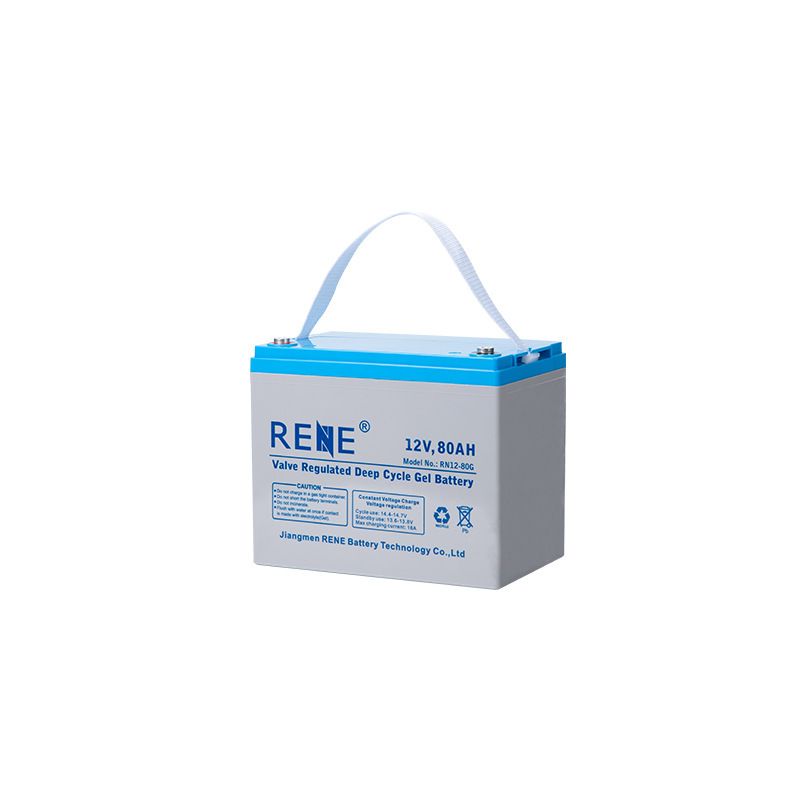
1. Understanding Motorbike Powersports Batteries
Motorbike powersports batteries are the lifeblood of your motorcycle, providing the essential energy needed to start your engine and power all electronic components. Selecting the right battery is crucial for ensuring optimal performance and longevity. Understanding the different types of batteries and their specifications will empower you to make an informed decision that enhances your riding experience.
2. Types of Batteries for Motorcycles
When it comes to motorbike batteries, there are several types to choose from, each with its own advantages and disadvantages.
2.1 Lead-Acid Batteries
Lead-acid batteries are the traditional choice for motorcycle power. They are known for their reliability and affordability. These batteries can be further divided into two categories: flooded and sealed. While flooded batteries require regular maintenance, sealed versions are maintenance-free and come with a longer lifespan.
2.2 Lithium-Ion Batteries
Lithium-ion batteries are rapidly gaining popularity among motorcyclists. They are lighter, have a higher energy density, and offer faster charging times compared to traditional lead-acid batteries. Although they come at a higher price point, their longevity and performance often justify the investment for serious riders.
2.3 Gel and AGM Batteries
Gel and Absorbent Glass Mat (AGM) batteries are excellent middle-ground options. Both types are sealed, making them maintenance-free and less susceptible to spills. AGM batteries can provide higher power output and are often preferred for their longevity and durability in demanding conditions.
3. Factors to Consider When Choosing a Battery
Choosing the right battery goes beyond just picking a type. Several critical factors need to be taken into account to ensure you select the optimal battery for your bike.
3.1 Capacity and Amp Hours
Battery capacity, measured in amp hours (Ah), indicates how much energy the battery can store. A higher capacity means the battery can power your bike for longer periods. Consider your riding style; if you frequently use electronics, opt for a battery with higher amp hours for extended performance.
3.2 Cold Cranking Amps (CCA)
Cold cranking amps (CCA) represent the battery's ability to start your motorcycle in cold conditions. A higher CCA value is essential for reliable engine starts in chilly weather. As a rule of thumb, always choose a battery with a CCA rating that meets or exceeds your motorcycle manufacturer's recommendations.
3.3 Weight and Size
The weight and dimensions of your motorcycle battery matter significantly. A lighter battery improves handling and performance, especially in off-road scenarios. Ensure the battery you select fits snugly in your motorcycle’s battery compartment without compromising the overall weight balance.
4. Maintenance Tips for Motorbike Batteries
Regular maintenance is crucial for the longevity of your battery. Here are some tips to keep your battery in top condition:
- Check the terminal connections regularly to ensure they are tight and corrosion-free. Clean any corrosion with a mixture of baking soda and water.
- Inspect the fluid levels in lead-acid batteries and top them off with distilled water if needed.
- Keep the battery charged. If you're not using your motorcycle for an extended period, consider using a trickle charger to maintain battery health.
5. Performance Optimization for Powersports Batteries
To unleash the full potential of your battery, consider these performance optimization techniques:
- Invest in a good quality charger designed for your battery type to ensure optimal charging.
- Store your battery properly during winter months or long periods of inactivity to prevent sulfation and degradation.
- Upgrade your battery cables to high-quality options that can withstand high temperatures and provide better conductivity.
6. Frequently Asked Questions
6.1 What is the average lifespan of a motorcycle battery?
The average lifespan of a motorcycle battery can range from 2 to 5 years, depending on the type and usage. Lithium-ion batteries often last longer than traditional lead-acid options.
6.2 Can I use a car battery for my motorcycle?
While it's technically possible, it's not advisable. Car batteries are heavier and designed for different power demands, which can lead to performance issues or damage to your motorcycle’s electrical system.
6.3 How do I know when my motorcycle battery needs replacing?
Signs that your motorcycle battery may need replacing include slow engine cranking, dim lights, or a battery that won’t hold a charge. Regular voltage checks can also help assess battery health.
6.4 Are lithium-ion batteries better than lead-acid batteries?
Lithium-ion batteries offer benefits such as lighter weight, faster charging times, and longer lifespans. However, they come at a higher cost, so choose based on your specific riding needs and budget.
6.5 What should I do if my motorcycle battery dies?
If your motorcycle battery dies, try jump-starting it using jumper cables. If the issue persists, check for corrosion on terminals or consider taking it to a professional for testing or replacement.
7. Conclusion
Choosing the right motorcycle powersports battery involves understanding the different types, assessing key factors such as capacity and CCA, and maintaining your battery for optimal performance. Whether you opt for a lead-acid, lithium-ion, or AGM battery, being informed will help you make the best choice for your motorcycle needs. By following these tips, you can ensure your bike runs smoothly and reliably, unleashing the full potential of your ride. Embrace the thrill of the open road with confidence, knowing you have chosen the right battery to power your adventures!
Key words:
Previous Page:


Sales Team
The company adheres to the working principles of integrity, standardization and efficiency, and wholeheartedly provides high-quality, efficient and fast services to our customers.


SALES:Jack Lee
Wechat: Jack13923713448
Facebook: Jack Lee


SALES:Jason Yu
Wechat: +86-13416655615

Rene battery, excellent performance, drive the future!
Contact Us
Address:Block 2, No.9, Yexing 1st Road, Huicheng, Xinhui District, Jiangmen City, Guangdong ,China

Subscribe to get offers and updates!
Social Media


