Jiangmen Rene Battery Technology Co., Ltd.

Why LiFePO4 Lithium Batteries Are the Future of Renewable Energy
2025-04-05
LiFePO4 lithium batteries represent a pivotal advancement in the renewable energy sector.
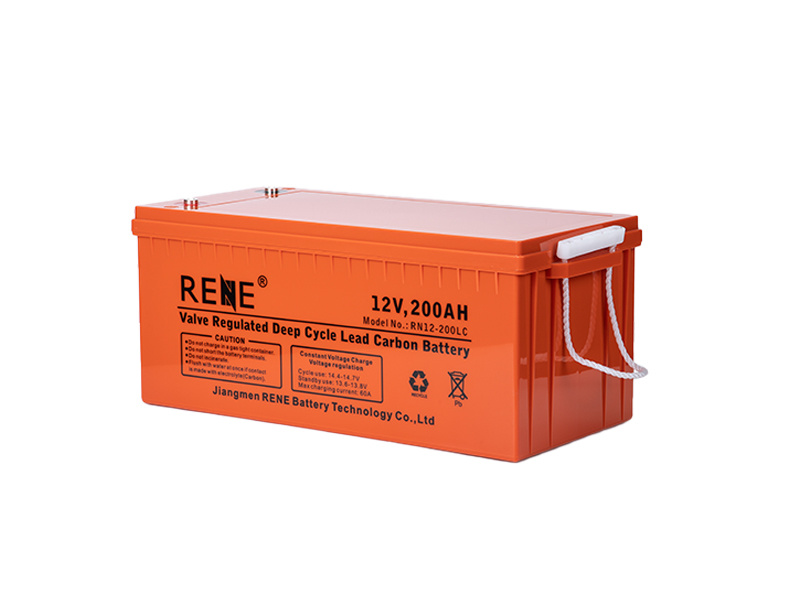
LiFePO4 batteries are a type of lithium-ion battery that utilizes lithium iron phosphate as the cathode material. This innovation provides distinct advantages in terms of safety, thermal stability, and cycle life. The chemical composition of LiFePO4 contributes to its unique characteristics, making it suitable for a wide array of applications, particularly in renewable energy storage.
Key Features of LiFePO4 Batteries
- Safety: LiFePO4 batteries are known for their enhanced safety features due to lower risks of thermal runaway.
- Long Cycle Life: These batteries can endure thousands of charge and discharge cycles, maintaining efficiency over time.
- Environmentally Friendly: Compared to other lithium batteries, LiFePO4 is less toxic, making it a more sustainable option.
- Stable Performance: LiFePO4 provides consistent voltage and performance under various temperature conditions.
Advantages of LiFePO4 Lithium Batteries for Renewable Energy
The advantages of LiFePO4 batteries are instrumental in reshaping the renewable energy landscape. Here, we dive into the core benefits that make these batteries ideal for energy storage solutions.
1. Enhanced Safety Features
Safety is a pivotal concern in energy storage. LiFePO4 batteries exhibit greater thermal stability and are less prone to catching fire or exploding compared to traditional lithium batteries. This makes them a preferred choice for both residential and commercial applications.
2. Long Cycle Life and Durability
One of the standout attributes of LiFePO4 batteries is their impressive cycle life, often exceeding 5,000 charge cycles. This longevity translates to lower replacement costs and reduced environmental waste, fundamentally supporting sustainability goals.
3. High Efficiency in Energy Storage
LiFePO4 batteries provide excellent energy efficiency, with discharge rates typically above 90%. This high efficiency ensures that more energy is available for use, optimizing overall energy management in renewable systems.
4. Versatility in Applications
These batteries are versatile enough to be used in a myriad of applications ranging from electric vehicles to grid storage solutions, thus enhancing their demand in the renewable energy sector.
Applications of LiFePO4 Lithium Batteries in Various Sectors
LiFePO4 batteries are increasingly being integrated into renewable energy systems across various sectors. Their adaptability makes them suitable for numerous applications.
1. Renewable Energy Storage Systems
In solar and wind installations, LiFePO4 batteries store excess energy generated during peak production times. This stored energy can then be utilized during periods of low generation, thereby stabilizing energy supply.
2. Electric Vehicles (EVs)
The automotive industry is rapidly adopting LiFePO4 batteries for electric vehicles due to their safety and longevity. Leading manufacturers are investing in this technology to enhance the performance of their electric vehicles.
3. Off-Grid Energy Solutions
For remote areas lacking access to a conventional power grid, LiFePO4 batteries provide reliable and efficient energy storage for off-grid solar solutions, allowing for a sustainable energy source.
4. UPS (Uninterruptible Power Supplies)
In environments where power stability is critical, such as hospitals and data centers, LiFePO4 batteries offer dependable backup power solutions, ensuring operational continuity.
Sustainability Aspects of LiFePO4 Lithium Batteries
The increasing focus on sustainability in energy solutions has placed LiFePO4 batteries in the spotlight. Their environmentally friendly properties contribute significantly to the reduction of carbon footprints and the promotion of green energy.
1. Reduced Toxicity
Unlike cobalt-based lithium batteries, LiFePO4 batteries contain less toxic materials, making them safer for the environment during both production and disposal.
2. Recycling Potential
The materials used in LiFePO4 batteries can be recycled, thereby minimizing waste and promoting a circular economy in battery technology.
3. Support for Renewable Energy Initiatives
By providing reliable energy storage solutions, LiFePO4 batteries facilitate the integration of renewable energy sources into the grid, ultimately reducing reliance on fossil fuels.
Comparing LiFePO4 with Other Lithium Batteries
When evaluating battery options for renewable energy, it is essential to compare LiFePO4 with other lithium chemistries, such as Lithium Cobalt Oxide (LCO) and Lithium Nickel Manganese Cobalt (NMC).
1. Safety Comparison
LiFePO4 batteries are superior in terms of thermal stability and safety, as they are less likely to experience thermal runaway compared to LCO and NMC batteries.
2. Cost Efficiency Over Time
Although the initial cost of LiFePO4 batteries might be higher, their long cycle life and low maintenance requirements make them more cost-effective in the long run.
3. Performance Metrics
While LCO batteries may offer higher energy density, LiFePO4 batteries provide a more stable discharge and charge performance, which is crucial for applications requiring consistent energy output.
Challenges and Limitations of LiFePO4 Batteries
Despite their numerous advantages, LiFePO4 batteries also come with challenges and limitations that need consideration.
1. Lower Energy Density
LiFePO4 batteries typically have a lower energy density compared to other lithium battery types. This means they take up more space for the same amount of energy, which could be a drawback in space-constrained applications.
2. Higher Initial Costs
The initial purchase price of LiFePO4 batteries is generally higher than that of other lithium batteries. However, this cost is often offset by their longer lifespan and reduced maintenance needs.
The Future of LiFePO4 Batteries in Renewable Energy
The outlook for LiFePO4 batteries in the renewable energy sector is incredibly promising. As technology continues to advance, several trends are likely to shape their future use.
1. Advancements in Technology
Ongoing research and development are expected to enhance the performance and efficiency of LiFePO4 batteries, possibly increasing their energy density without compromising safety.
2. Increased Adoption in Commercial Applications
As industries seek sustainable energy solutions, the adoption of LiFePO4 batteries in commercial applications will likely rise, particularly in sectors such as transportation and energy storage.
3. Support from Government Initiatives
Government incentives and initiatives aimed at promoting renewable energy technologies will likely boost the demand and innovation surrounding LiFePO4 batteries.
LiFePO4 lithium batteries represent a pivotal advancement in the renewable energy sector. With their enhanced safety, long cycle life, and sustainability, they are well-positioned to meet the growing demands for efficient energy storage solutions. As we continue to embrace renewable energy initiatives, LiFePO4 batteries will play a crucial role in shaping a sustainable future, supporting the integration of clean energy sources, and driving innovation in energy storage technology. Embracing these batteries is not just a step towards efficiency; it's a leap towards a greener planet.
Key words:


Sales Team
The company adheres to the working principles of integrity, standardization and efficiency, and wholeheartedly provides high-quality, efficient and fast services to our customers.


SALES:Jack Lee
Wechat: Jack13923713448
Facebook: Jack Lee


SALES:Jason Yu
Wechat: +86-13416655615

Rene battery, excellent performance, drive the future!
Contact Us
Address:Block 2, No.9, Yexing 1st Road, Huicheng, Xinhui District, Jiangmen City, Guangdong ,China

Subscribe to get offers and updates!
Social Media


