Jiangmen Rene Battery Technology Co., Ltd.

Understanding Lithium Ion Deep Cycle Batteries: An Essential Guide for Professionals
2025-10-07
Lithium ion deep cycle batteries are becoming increasingly popular in various applications due to their efficiency, longevity, and power capabilities. Unlike traditional lead-acid batteries, which are designed for short bursts of power, deep cycle lithium ion batteries are engineered to provide sustained power over extended periods. This makes them ideal for applications where energy needs to be s
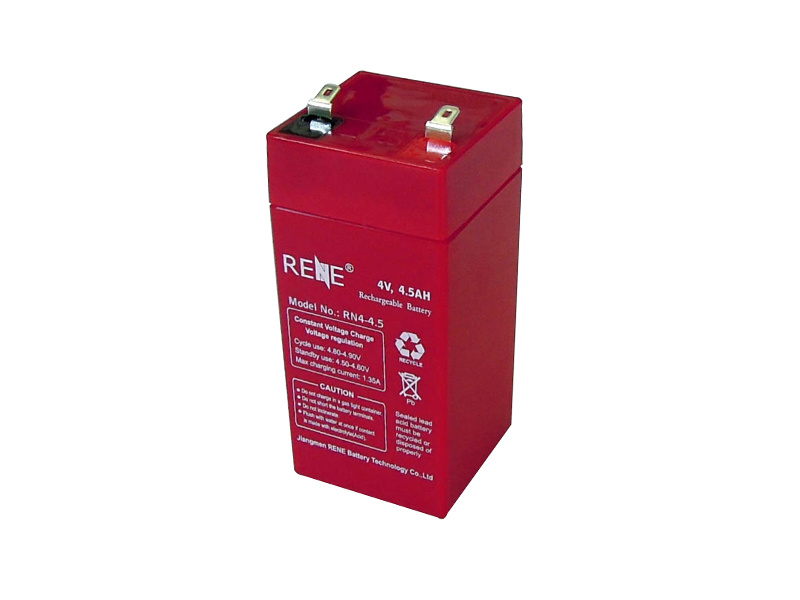
One of the key advantages of lithium ion deep cycle batteries is their high energy density. This means they can store more energy in a smaller and lighter package compared to their lead-acid counterparts. For industries requiring lightweight solutions, such as aerospace and electric mobility, this feature is particularly valuable. Moreover, lithium ion batteries have a low self-discharge rate, allowing them to hold their charge for longer periods when not in use, which is crucial in backup power applications.
Another significant benefit is their cycle life. Lithium ion deep cycle batteries can typically endure a higher number of charge and discharge cycles—often exceeding 2000 cycles—without significant degradation. This durability translates to lower replacement costs over time and less environmental impact, as fewer batteries need to be manufactured and disposed of.
Safety is also a major concern in battery usage. Modern lithium ion deep cycle batteries are equipped with various built-in safety features, such as thermal management systems and battery management systems (BMS), which help prevent overheating and ensure safe operation. Adopting these batteries can enhance safety standards in various applications, making them a reliable choice for many professionals.
When integrating lithium ion deep cycle batteries into your systems, consider factors like compatibility with existing technologies, charging requirements, and environmental conditions. Proper installation and maintenance can maximize the performance and longevity of these batteries.
In conclusion, lithium ion deep cycle batteries offer a combination of efficiency, durability, and safety that is hard to match. Their ability to provide reliable power solutions across various applications makes them a key component for professionals in the electrical and electronic fields. By understanding their benefits and best practices for usage, you can make informed decisions that enhance operational efficiency and sustainability in your projects.
Key words:


Sales Team
The company adheres to the working principles of integrity, standardization and efficiency, and wholeheartedly provides high-quality, efficient and fast services to our customers.


SALES:Jack Lee
Wechat: Jack13923713448
Facebook: Jack Lee


SALES:Jason Yu
Wechat: +86-13416655615

Rene battery, excellent performance, drive the future!
Contact Us
Address:Block 2, No.9, Yexing 1st Road, Huicheng, Xinhui District, Jiangmen City, Guangdong ,China

Subscribe to get offers and updates!
Social Media


