Jiangmen Rene Battery Technology Co., Ltd.

Innovations in 12 Volt Lithium Deep Cycle Battery Technology: A Comprehensive Guide
2025-10-10
Innovations in 12 Volt Lithium Deep Cycle Battery Technology Introduction to 12 Volt Lithium Deep Cycle Batteries The demand for efficient, reliable, and long-lasting energy storage solutions has surged in recent years. Among the various options available for energy storage, **12 volt lithium deep cycle batteries** have emerged as a frontrunner. These batteries are pivotal in various application
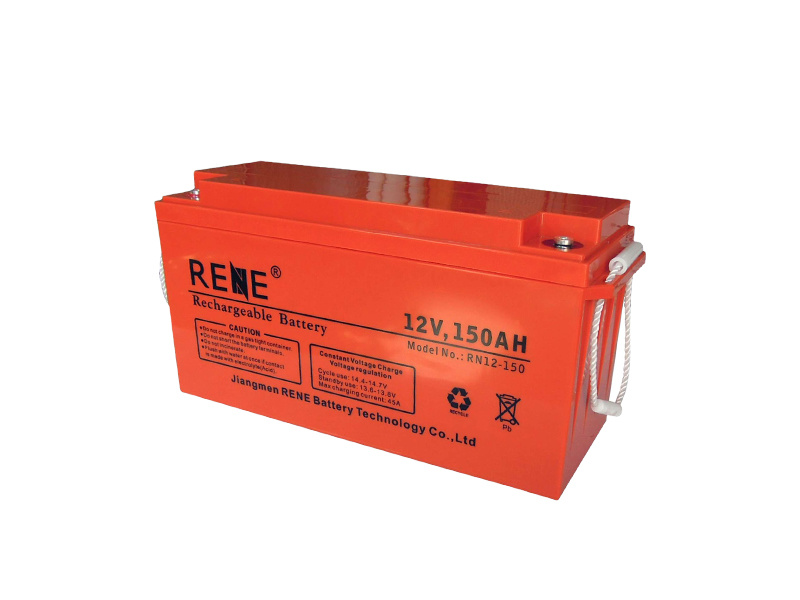
Innovations in 12 Volt Lithium Deep Cycle Battery Technology
Introduction to 12 Volt Lithium Deep Cycle Batteries
The demand for efficient, reliable, and long-lasting energy storage solutions has surged in recent years. Among the various options available for energy storage, **12 volt lithium deep cycle batteries** have emerged as a frontrunner. These batteries are pivotal in various applications, including recreational vehicles (RVs), marine systems, solar power setups, and electric vehicles (EVs). In this article, we will delve into the latest innovations in this technology, exploring advancements that enhance performance, longevity, and overall efficiency.
Understanding the Basics of Lithium Deep Cycle Batteries
Before we explore the innovations, it’s essential to grasp the fundamental aspects of lithium deep cycle batteries. These batteries are designed to provide a steady amount of power over an extended period, making them ideal for applications that require consistent energy output.
What Sets Lithium Batteries Apart?
Lithium batteries differ from traditional lead-acid batteries in several ways:
- Energy Density: Lithium batteries have a higher energy density, allowing them to store more energy in a smaller weight and size.
- Cycle Life: They offer a longer cycle life, typically lasting between 2,000 to 5,000 cycles, compared to 500 to 1,000 cycles for lead-acid batteries.
- Charging Speed: Lithium batteries can be recharged at a much faster rate, enhancing their usability in various applications.
Recent Innovations in Lithium Deep Cycle Battery Technology
The evolution of **12 volt lithium deep cycle battery technology** is marked by several innovative breakthroughs. These advancements not only improve performance but also enhance safety and usability.
1. Enhanced Battery Management Systems (BMS)
Modern lithium battery systems are equipped with advanced battery management systems (BMS) that monitor and regulate battery performance. These systems play a crucial role in:
- Cell Balancing: Ensuring all cells within the battery maintain equal charge levels to prolong battery life.
- Temperature Management: Preventing overheating by monitoring temperature and adjusting charging rates accordingly.
- State of Charge (SOC) Monitoring: Providing real-time data on battery status, allowing users to optimize energy usage.
2. Improved Lithium Iron Phosphate (LiFePO4) Chemistry
One of the most significant advancements in lithium battery technology is the improved chemistry of **lithium iron phosphate (LiFePO4)** batteries. This chemistry offers several advantages:
- Safety: LiFePO4 batteries are inherently safer than other lithium-ion chemistries, significantly reducing the risk of thermal runaway.
- Lifespan: They have a longer lifespan, often exceeding 5,000 cycles, making them a cost-effective choice in the long run.
- Environmental Friendliness: LiFePO4 batteries are more environmentally friendly, utilizing non-toxic materials in their construction.
3. Faster Charging Technologies
Innovations in charging technology have drastically reduced the time it takes to recharge 12 volt lithium deep cycle batteries. Rapid charging capabilities enable users to recharge their batteries up to 80% in as little as one hour. This is particularly beneficial for applications in areas where downtime needs to be minimized, such as in marine or RV settings.
4. Integration with Renewable Energy Sources
The ability to integrate **12 volt lithium deep cycle batteries** with renewable energy sources, such as solar panels and wind turbines, has revolutionized energy storage. This integration allows for efficient energy capture and storage, offering users a sustainable and cost-effective energy solution.
Solar Applications
In solar applications, lithium batteries provide a space-saving solution for energy storage, allowing users to maximize their solar investment. They can store excess energy generated during the day for use during nighttime or cloudy days, enhancing energy independence.
Wind Energy Systems
For wind energy systems, lithium deep cycle batteries store energy generated during high-wind conditions, ensuring a consistent power supply even when wind speeds drop.
The Role of Smart Technology in Battery Management
As technology progresses, the integration of smart technology into battery management systems has become increasingly common.
Smart Monitoring and Control
Smart monitoring systems allow users to track battery performance remotely. Features include:
- Mobile Apps: Users can monitor battery health and performance using dedicated mobile applications.
- Alerts and Notifications: Users receive alerts for maintenance or performance issues, ensuring timely interventions.
- Data Analytics: Advanced data analytics provide insights into usage patterns, helping users optimize their energy consumption.
Predictive Maintenance
Predictive maintenance powered by AI and machine learning can anticipate performance issues before they become critical, significantly extending the lifespan of lithium batteries.
Applications of 12 Volt Lithium Deep Cycle Batteries
12 volt lithium deep cycle batteries are versatile and find applications in numerous industries.
1. Recreational Vehicles (RVs)
In the RV sector, lithium batteries provide reliable power for appliances, lighting, and entertainment systems while reducing weight, which enhances fuel efficiency.
2. Marine Applications
Marine enthusiasts are increasingly turning to lithium batteries for powering boats and yachts due to their lightweight nature and superior performance in harsh marine environments.
3. Off-Grid Solar Systems
For off-grid solar applications, lithium batteries store solar energy for use in homes and cabins, offering independence from traditional power grids.
4. Electric Vehicles
In the electric vehicle market, 12 volt lithium deep cycle batteries are essential for powering auxiliary systems, including lighting, infotainment, and electronic controls.
Challenges and Considerations in Lithium Battery Technology
Despite the numerous innovations, there are challenges associated with lithium deep cycle batteries that need consideration.
1. Initial Cost
The upfront cost of lithium batteries can be significantly higher than traditional lead-acid batteries, which may deter some potential users. However, the long-term savings and performance improvements often justify the investment.
2. Recycling and Disposal
As the usage of lithium batteries increases, so does the need for effective recycling programs. Developing environmentally sound disposal and recycling processes is crucial to minimize ecological impact.
3. Thermal Management
While modern batteries have improved thermal management systems, extreme temperatures can still affect performance and lifespan. Users must consider the operating environment when selecting batteries.
Future Trends in Lithium Deep Cycle Battery Technology
The future of **12 volt lithium deep cycle battery technology** is promising, with ongoing research and development focused on enhancing efficiency, capacity, and sustainability.
1. Solid-State Batteries
Solid-state battery technology is on the horizon, which promises to offer higher energy densities, faster charging times, and improved safety profiles compared to traditional lithium-ion batteries.
2. Integration with Smart Grids
As smart grids become more prevalent, there will be greater integration of lithium batteries with grid technologies, enabling more efficient energy distribution and consumption.
Conclusion
12 volt lithium deep cycle batteries represent a significant advancement in energy storage technology. With ongoing innovations in battery chemistry, charging technologies, and smart management systems, these batteries are set to enhance performance and usability across a range of applications. As the demand for sustainable and efficient energy solutions continues to rise, the role of lithium deep cycle batteries will only become more critical in powering our future. By understanding these innovations and their implications, users can make informed decisions that will benefit both their needs and the environment.
FAQs
1. What is the lifespan of a 12 volt lithium deep cycle battery?
The lifespan of a 12 volt lithium deep cycle battery typically ranges from 2,000 to 5,000 cycles, depending on usage and maintenance.
2. How do I maintain my lithium deep cycle battery?
Regularly monitor the battery's state of charge, keep the terminals clean, and avoid deep discharges to prolong its lifespan.
3. Can I use lithium batteries in extreme temperatures?
While lithium batteries have improved thermal management, extreme temperatures can still affect performance. It’s advisable to use them within the manufacturer's specified temperature range.
4. Are lithium batteries environmentally friendly?
Lithium batteries are more environmentally friendly than lead-acid batteries; however, proper recycling and disposal are essential to minimize their ecological impact.
5. What applications are best suited for 12 volt lithium deep cycle batteries?
They are ideal for applications such as RVs, marine equipment, off-grid solar systems, and electric vehicles due to their lightweight and efficient energy storage capabilities.
Key words:


Sales Team
The company adheres to the working principles of integrity, standardization and efficiency, and wholeheartedly provides high-quality, efficient and fast services to our customers.


SALES:Jack Lee
Wechat: Jack13923713448
Facebook: Jack Lee


SALES:Jason Yu
Wechat: +86-13416655615

Rene battery, excellent performance, drive the future!
Contact Us
Address:Block 2, No.9, Yexing 1st Road, Huicheng, Xinhui District, Jiangmen City, Guangdong ,China

Subscribe to get offers and updates!
Social Media


