Jiangmen Rene Battery Technology Co., Ltd.

Unlocking the Potential of Lithium Ion Deep Cycle Batteries for Modern Applications
2026-06-06
Lithium ion deep cycle batteries have emerged as a vital component in various applications, from renewable energy storage to electric vehicles and portable electronics. Understanding these batteries can provide professionals with the knowledge necessary to leverage their capabilities effectively. One of the key advantages of lithium ion deep cycle batteries is their high energy density, which allo
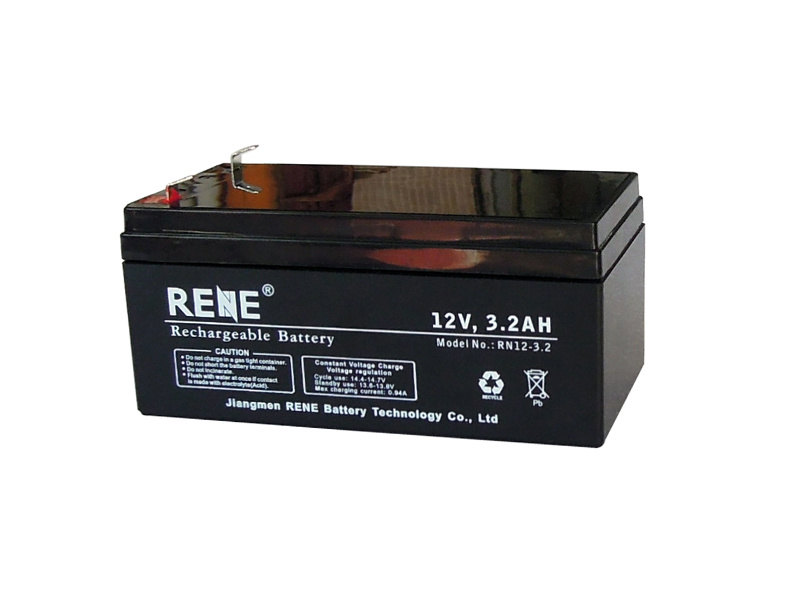
One of the key advantages of lithium ion deep cycle batteries is their high energy density, which allows them to store more energy in a smaller footprint compared to traditional lead-acid batteries. This characteristic makes them particularly advantageous in applications where space and weight are critical, such as in electric vehicles and mobile applications. Additionally, they possess a longer cycle life, typically lasting over 2,000 charge cycles, which translates to reduced maintenance and replacement costs over time.
Another significant benefit is their efficiency. Lithium ion batteries exhibit lower self-discharge rates, meaning they retain their charge longer when not in use. This feature is particularly useful in applications where the batteries may sit idle for extended periods, such as in backup power systems or seasonal energy storage solutions. Furthermore, they have a faster charging capability, often reaching full charge within a few hours, which is essential for applications requiring quick turnaround times.
When considering the integration of lithium ion deep cycle batteries into your projects, it’s important to evaluate the specific needs of your application. Factors such as required capacity, discharge rates, and environmental conditions should guide your selection process. It's also crucial to implement proper battery management systems (BMS) to monitor the state of charge and health of the batteries, ensuring safety and optimizing performance.
Safety considerations cannot be overlooked when working with lithium ion technology. While these batteries are generally safe, they can pose risks if not handled or maintained properly. Employing adequate thermal management and adhering to manufacturer guidelines for charging and discharging can significantly mitigate these risks.
In conclusion, lithium ion deep cycle batteries represent a transformative technology within the electrical and electronics industry. Their high energy density, extended cycle life, and efficiency make them suitable for a range of modern applications. By understanding the unique characteristics and requirements of these batteries, professionals can harness their potential to drive innovation and sustainability in their projects. As the market for energy storage continues to grow, staying informed about advancements in lithium ion technology will be essential for maintaining a competitive edge.
Key words:
Previous Page:
Sales Team
The company adheres to the working principles of integrity, standardization and efficiency, and wholeheartedly provides high-quality, efficient and fast services to our customers.


SALES:Jack Lee
Wechat: Jack13923713448
Facebook: Jack Lee


SALES:Jason Yu
Wechat: +86-13416655615

Rene battery, excellent performance, drive the future!
Contact Us
Address:Block 2, No.9, Yexing 1st Road, Huicheng, Xinhui District, Jiangmen City, Guangdong ,China

Subscribe to get offers and updates!
Social Media


