Jiangmen Rene Battery Technology Co., Ltd.

Understanding the Lifespan of Your 12 Volt Lithium Deep Cycle Battery: A Comprehensive Guide
2026-06-09
Understanding the Lifespan of Your 12 Volt Lithium Deep Cycle Battery Table of Contents Introduction to 12 Volt Lithium Deep Cycle Batteries What is a Deep Cycle Battery? Benefits of Lithium Batteries Over Traditional Options Factors Influencing the Lifespan of Your 12 Volt Lithium Battery Best Practices for Maintaining Your Lithium Battery Proper Charging Techniques for L
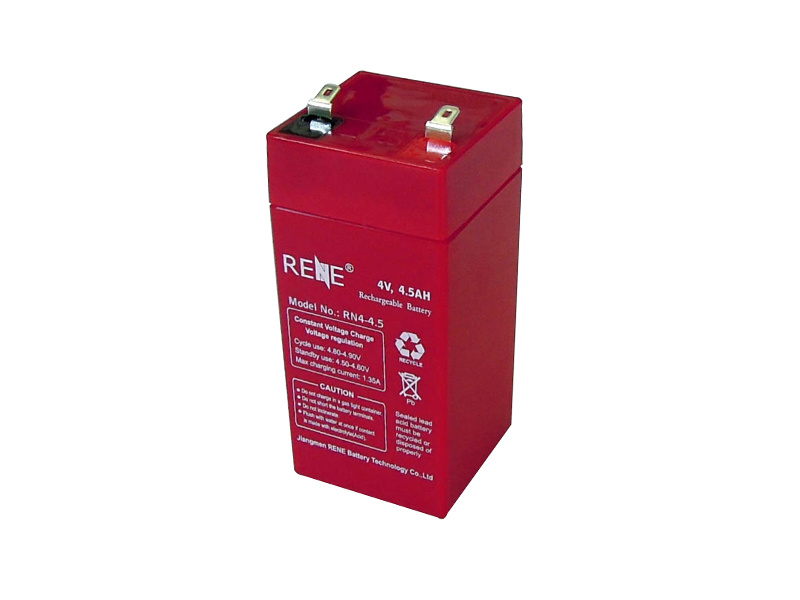
Understanding the Lifespan of Your 12 Volt Lithium Deep Cycle Battery
Table of Contents
- Introduction to 12 Volt Lithium Deep Cycle Batteries
- What is a Deep Cycle Battery?
- Benefits of Lithium Batteries Over Traditional Options
- Factors Influencing the Lifespan of Your 12 Volt Lithium Battery
- Best Practices for Maintaining Your Lithium Battery
- Proper Charging Techniques for Longevity
- Storage Tips to Extend Battery Life
- Signs Your Battery is Losing Capacity
- Conclusion
- Frequently Asked Questions
Introduction to 12 Volt Lithium Deep Cycle Batteries
Lithium deep cycle batteries have revolutionized the way we think about energy storage, especially in applications requiring reliability and longevity. Unlike traditional lead-acid batteries, 12 Volt lithium deep cycle batteries offer several advantages, such as lighter weight, higher energy density, and longer lifespans. Understanding how to maximize the lifespan of your lithium battery is essential for getting the best performance from your investment.
What is a Deep Cycle Battery?
A deep cycle battery is designed to provide a steady amount of current over an extended period. Unlike starter batteries, which deliver a burst of energy for a short time, deep cycle batteries are engineered to be discharged and recharged repeatedly. This makes them ideal for applications such as renewable energy systems, electric vehicles, and marine use.
Types of Deep Cycle Batteries
There are several types of deep cycle batteries, including:
- **Lead-Acid Batteries**: Traditional and commonly used but heavier and less efficient.
- **Lithium Batteries**: Lightweight, efficient, and have a much longer lifespan.
- **AGM (Absorbent Glass Mat) Batteries**: A sealed lead-acid option with low maintenance.
Each type has its own advantages and limitations, but lithium batteries stand out due to their ability to handle deep discharges without significant degradation.
Benefits of Lithium Batteries Over Traditional Options
Lithium batteries offer several advantages over traditional lead-acid batteries. These include:
- **Longer Lifespan**: Lithium batteries can last up to 10 times longer than lead-acid counterparts.
- **Faster Charging**: They can be charged more quickly and efficiently.
- **Higher Efficiency**: Lithium batteries maintain a higher capacity even after numerous charge cycles.
- **Weight Savings**: They are significantly lighter, making them easier to install and transport.
These benefits make lithium batteries a popular choice for various applications, including solar energy systems, RVs, and marine vehicles.
Factors Influencing the Lifespan of Your 12 Volt Lithium Battery
Several factors can impact the lifespan of a lithium battery. Understanding these elements can help you optimize your battery's longevity.
Temperature
Lithium batteries operate best within a specific temperature range. Extreme cold or hot conditions can impact performance and lifespan. Ideally, keep your battery in a temperature-controlled environment.
Depth of Discharge (DoD)
The depth of discharge refers to how much of the battery's capacity is used before recharging. For lithium batteries, it's ideal to maintain a DoD of 20-80% to maximize lifespan.
Charge Cycles
Every time you charge and discharge your battery, it goes through a cycle. Lithium batteries can typically handle thousands of cycles but minimizing the number of full cycles can help extend lifespan.
Quality of the Battery
Not all lithium batteries are created equal. Investing in a high-quality battery from a reputable manufacturer can significantly affect lifespan and performance.
Best Practices for Maintaining Your Lithium Battery
Regular maintenance is crucial for prolonging the lifespan of your lithium battery. Here are some best practices:
Keep Terminals Clean
Ensure that battery terminals are free from corrosion and dirt. Clean terminals help maintain optimal electrical connections.
Monitor Battery Health
Utilize a battery management system (BMS) to monitor voltage, temperature, and state of charge. This system helps protect the battery from overcharging and deep discharges, which can reduce lifespan.
Regularly Inspect the Battery
Conduct routine inspections for any signs of wear or damage. Early detection can prevent more significant issues down the line.
Proper Charging Techniques for Longevity
Charging your lithium battery correctly is vital for maintaining its health.
Using a Quality Charger
Always use a charger specifically designed for lithium batteries. This ensures that the battery receives the correct voltage and current.
Avoid Overcharging
Overcharging can lead to overheating and potential battery failure. A smart charger with overcharge protection can help mitigate this risk.
Charge at Recommended Rates
Follow the manufacturer's guidelines for charging rates. Charging too quickly can stress the battery, while slow charging may not provide adequate power for your needs.
Storage Tips to Extend Battery Life
If you need to store your 12 Volt lithium deep cycle battery, consider the following tips:
Store in a Cool, Dry Place
Exposure to extreme temperatures can harm battery health. Store your battery in a temperature-controlled environment.
Charge Before Storage
Ensure your battery is charged to about 50% before storing. This helps maintain optimal health during periods of inactivity.
Periodic Maintenance During Storage
Check the battery's state of charge every few months and recharge if necessary to prevent deep discharge.
Signs Your Battery is Losing Capacity
It's essential to recognize signs that your battery may be degrading. Early intervention can help prolong its life.
Reduced Run Time
If you notice that your battery-powered device is running for shorter periods, it could indicate capacity loss.
Charging Issues
If your battery takes longer to charge or does not hold a charge effectively, it may be time to assess its health.
Physical Damage
Any signs of swelling, leakage, or corrosion should be taken seriously, as these can indicate significant issues.
Conclusion
Understanding and maximizing the lifespan of your 12 Volt lithium deep cycle battery is essential for any user who relies on dependable energy storage. By following best practices in maintenance, charging, and storage, you can ensure that your lithium battery serves you efficiently for years to come. Staying vigilant and aware of the factors that influence your battery’s health will help you make informed decisions and get the most out of your investment.
Frequently Asked Questions
1. What is the typical lifespan of a 12 Volt lithium deep cycle battery?
The typical lifespan can vary but generally ranges from 10 to 15 years with proper care and maintenance.
2. How deep can I discharge a lithium battery?
It's recommended to maintain a depth of discharge between 20% and 80% to maximize battery longevity.
3. Can I charge my lithium battery with a standard charger?
No, always use a charger specifically designed for lithium batteries to ensure safety and efficiency.
4. What should I do if my battery shows signs of degradation?
If you notice any signs of degradation, such as reduced capacity or physical damage, consult with a professional for assessment and potential replacement.
5. How should I maintain my lithium battery in the winter?
Keep your battery in a warm environment and avoid discharging it below the recommended levels to ensure optimal performance during colder months.
Key words:
Sales Team
The company adheres to the working principles of integrity, standardization and efficiency, and wholeheartedly provides high-quality, efficient and fast services to our customers.


SALES:Jack Lee
Wechat: Jack13923713448
Facebook: Jack Lee


SALES:Jason Yu
Wechat: +86-13416655615

Rene battery, excellent performance, drive the future!
Contact Us
Address:Block 2, No.9, Yexing 1st Road, Huicheng, Xinhui District, Jiangmen City, Guangdong ,China

Subscribe to get offers and updates!
Social Media


