Jiangmen Rene Battery Technology Co., Ltd.

Maximize Your Power: Unleashing the Benefits of Deep Cycle Gel Batteries
2024-12-31
Deep cycle gel batteries are a type of **lead-acid battery** that is specifically designed to provide a steady amount of power over an extended period.
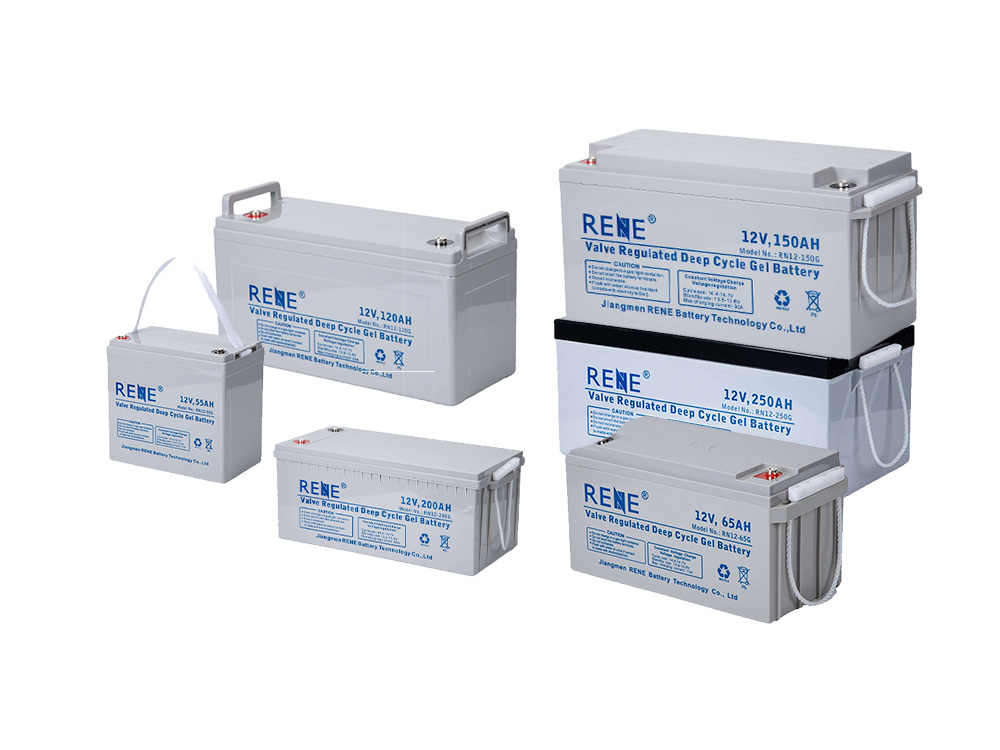
Understanding Deep Cycle Gel Batteries
Deep cycle gel batteries are a type of **lead-acid battery** that is specifically designed to provide a steady amount of power over an extended period. Unlike traditional batteries that are designed for short bursts of high energy, deep cycle gel batteries can be discharged and recharged repeatedly without significantly affecting their lifespan. They contain a gelled electrolyte, which enhances their performance and safety characteristics.
The Unique Chemistry of Gel Batteries
The gel within these batteries is created by mixing sulfuric acid with silica, resulting in a thickened, gel-like substance. This not only prevents the spillage of electrolyte but also reduces the risk of corrosion, making gel batteries incredibly durable and safe for various applications.
How Deep Cycle Gel Batteries Work
Deep cycle gel batteries function similarly to conventional lead-acid batteries, but with key differences in their design and chemical composition. They are capable of **deep discharges**, which means they can be drained of their stored energy down to a lower voltage without sustaining damage. This feature makes them an ideal choice for applications where power needs to be drawn frequently and over long periods.
Charge and Discharge Cycles
The cycle of charging and discharging gel batteries is vital for their performance. When a gel battery is charged, the electrical energy transforms the lead dioxide and sponge lead into lead sulfate. Upon discharging, the reverse reaction occurs, producing energy for use. The gel electrolyte remains stable throughout these cycles, ensuring longevity and reliability.
Advantages of Deep Cycle Gel Batteries
1. Longevity and Durability
One of the standout features of deep cycle gel batteries is their impressive lifespan. With proper care, they can last **up to 12 years** or longer, making them a cost-effective investment in the long run. Their robust construction allows them to withstand harsh environmental conditions, including extreme temperatures.
2. Maintenance-Free Operation
Unlike flooded lead-acid batteries, gel batteries require minimal maintenance. They do not need regular topping up with water, which simplifies their upkeep. Additionally, the sealed design prevents the release of gases during charging, eliminating the need for ventilation.
3. Enhanced Safety
The gelled electrolyte minimizes the risk of acid spills and leaks, making these batteries safer for use in enclosed spaces. They are also less prone to thermal runaway, a scenario that can lead to battery failure and potential hazards.
4. Resistance to Vibration and Shock
Deep cycle gel batteries are designed to absorb shocks and vibrations, making them suitable for use in mobile applications such as RVs, boats, and electric vehicles. This resilience ensures consistent power delivery, even in challenging conditions.
5. Low Self-Discharge Rate
Another significant advantage is the low self-discharge rate of gel batteries. They can hold their charge for a longer duration when not in use, making them an excellent choice for emergency backup systems and seasonal equipment.
Applications of Deep Cycle Gel Batteries
The versatility of deep cycle gel batteries allows them to be used across various industries and applications:
1. Renewable Energy Systems
Deep cycle gel batteries are commonly employed in **solar energy systems** to store excess energy generated during the day for use at night or during cloudy weather. Their reliability makes them essential in off-grid solar applications.
2. Marine Applications
In marine environments, gel batteries power everything from navigation systems to onboard appliances. Their resistance to vibration and spillage makes them ideal for boats and yachts.
3. Electric Vehicles
Electric bicycles, scooters, and golf carts benefit from the consistent power supply provided by deep cycle gel batteries, enhancing performance and range.
4. Backup Power Systems
Many businesses and homes use gel batteries as part of their uninterruptible power supply (UPS) systems. This ensures that critical operations remain functional during power outages.
5. Recreational Vehicles (RVs)
RVs utilize deep cycle gel batteries to power lights, appliances, and other electronic devices, providing convenience and comfort while traveling.
Maintenance Tips for Deep Cycle Gel Batteries
Monitoring the voltage levels is crucial to ensure that the battery is functioning optimally. Keeping them within the recommended range will prevent over-discharge and extend battery life. While gel batteries can handle deep discharges, frequently discharging them below 50% can significantly affect their lifespan. Aim to recharge them before they reach this level. If you need to store your gel battery for extended periods, ensure it is fully charged and kept in a cool, dry location. This will help maintain its performance and longevity. Always use a charger specifically designed for gel batteries. Using an inappropriate charger can lead to overcharging and potential damage. When selecting a battery for your needs, it’s essential to compare deep cycle gel batteries with other types, including flooded lead-acid, AGM (Absorbent Glass Mat), and lithium-ion batteries: Flooded batteries require regular maintenance, including water refills. They are also more prone to spillage and require proper ventilation during charging, unlike gel batteries. AGM batteries are sealed and maintenance-free, similar to gel batteries, but they typically have a higher discharge rate and can be more expensive. However, they usually perform better in high-drain applications. Lithium-ion batteries are lightweight and have a longer lifespan but come at a higher initial cost. They also require complex battery management systems, making gel batteries a more straightforward option for many applications. Deep cycle gel batteries are often considered more environmentally friendly than other types due to their sealed design and reduced risk of leaks. They can typically be recycled, and many manufacturers have established take-back programs to ensure responsible disposal. With proper maintenance, deep cycle gel batteries can last **up to 12 years** or more, depending on usage conditions. Yes, deep cycle gel batteries can operate in cold environments, but their performance may decrease in extreme conditions. It’s advisable to keep them warm when possible. They are largely maintenance-free, but you should regularly check voltage levels and ensure they are properly charged. Recharge your gel battery when the voltage drops below **50%** of its capacity to avoid deep discharges that can reduce its lifespan. Yes, their sealed design prevents gas emissions, making them safe for indoor use, unlike traditional flooded lead-acid batteries. In summary, deep cycle gel batteries provide a reliable and efficient power solution for various applications, from renewable energy systems to recreational vehicles. Their longevity, safety, and maintenance-free operation make them an attractive choice for both commercial and personal use. By understanding the benefits and proper care of gel batteries, users can maximize their power and ensure a sustainable energy supply for years to come.1. Regularly Check Voltage Levels
2. Avoid Deep Discharge
3. Store Properly
4. Use a Compatible Charger
Comparing Deep Cycle Gel Batteries with Other Types
1. Flooded Lead-Acid Batteries
2. AGM Batteries
3. Lithium-Ion Batteries
Environmental Impact of Deep Cycle Gel Batteries
FAQs About Deep Cycle Gel Batteries
1. How long do deep cycle gel batteries last?
2. Can deep cycle gel batteries be used in cold temperatures?
3. Do deep cycle gel batteries require maintenance?
4. How do I know when to recharge my gel battery?
5. Are deep cycle gel batteries safe to use indoors?
Conclusion
Key words:
Previous Page:


Sales Team
The company adheres to the working principles of integrity, standardization and efficiency, and wholeheartedly provides high-quality, efficient and fast services to our customers.


SALES:Jack Lee
Wechat: Jack13923713448
Facebook: Jack Lee


SALES:Jason Yu
Wechat: +86-13416655615

Rene battery, excellent performance, drive the future!
Contact Us
Address:Block 2, No.9, Yexing 1st Road, Huicheng, Xinhui District, Jiangmen City, Guangdong ,China

Subscribe to get offers and updates!
Social Media


