Jiangmen Rene Battery Technology Co., Ltd.

Understanding Gel Electrolyte Batteries: A Comprehensive Guide for Automotive Applications
2024-12-30
Gel electrolyte batteries are a type of lead-acid battery that utilize a gel-like electrolyte instead of a liquid. This design offers several advantages, making them increasingly popular in automotive applications.
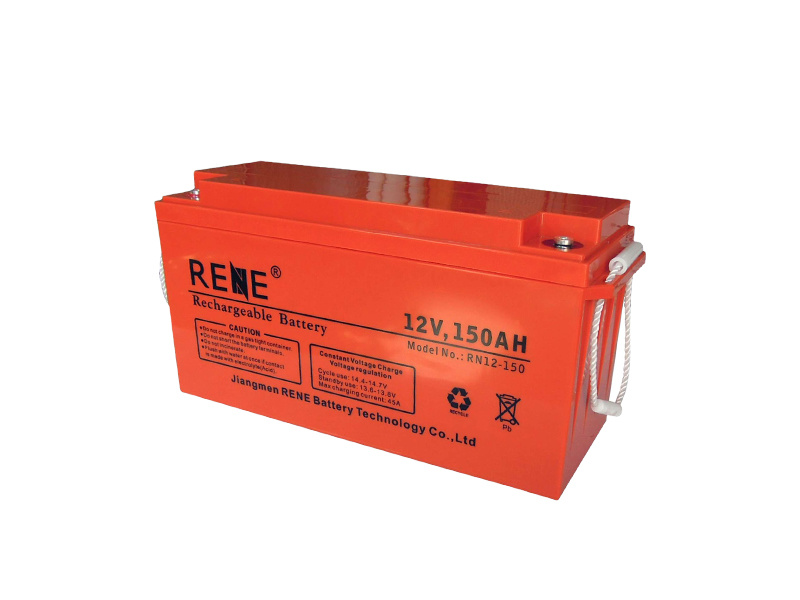
Gel electrolyte batteries are a type of lead-acid battery that utilize a gel-like electrolyte instead of a liquid. This design offers several advantages, making them increasingly popular in automotive applications. The gel electrolyte is created by mixing sulfuric acid with a silica-based substance, which turns the liquid into a thick gel. This innovative approach has several implications for performance and safety.
One of the primary benefits of gel electrolyte batteries is their enhanced safety. The gel-like electrolyte minimizes the risk of spillage, making these batteries much safer to handle compared to traditional flooded lead-acid batteries. This is particularly advantageous in environments where battery orientation may vary, as the gel maintains its form and prevents leaks.
Another key advantage of gel electrolyte batteries is their resistance to deep discharges. They can withstand a significant number of discharge and recharge cycles without suffering from sulfation, a common issue in traditional batteries that can lead to reduced lifespan and efficiency. This makes gel electrolyte batteries an excellent choice for applications that require frequent cycling, such as in electric vehicles or for backup power systems.
Additionally, gel electrolyte batteries have a lower self-discharge rate than conventional batteries. This means they can hold a charge for a longer period when not in use, which is beneficial for seasonal vehicles or applications where the battery may be inactive for extended periods. As a result, they can be a reliable power source when you need them the most.
Temperature tolerance is another strong point for gel electrolyte batteries. They perform well in a wider range of temperatures compared to flooded batteries. This durability makes them suitable for use in various climates without significant performance degradation.
It’s also worth noting that gel electrolyte batteries are more environmentally friendly. They have a closed system that reduces the risk of harmful acid fumes escaping into the environment, making them a preferable choice for those conscious about their ecological impact.
In conclusion, gel electrolyte batteries offer numerous advantages that make them an excellent choice for automotive applications. Their safety, deep cycle capability, low self-discharge rate, and environmental benefits position them favorably in the evolving landscape of automotive technology. Whether you’re considering a battery for an electric vehicle, a recreational vehicle, or a backup system, understanding the features of gel electrolyte batteries can help you make an informed decision that fits your needs.
Key words:


Sales Team
The company adheres to the working principles of integrity, standardization and efficiency, and wholeheartedly provides high-quality, efficient and fast services to our customers.


SALES:Jack Lee
Wechat: Jack13923713448
Facebook: Jack Lee


SALES:Jason Yu
Wechat: +86-13416655615

Rene battery, excellent performance, drive the future!
Contact Us
Address:Block 2, No.9, Yexing 1st Road, Huicheng, Xinhui District, Jiangmen City, Guangdong ,China

Subscribe to get offers and updates!
Social Media


